Author: Mike Yongxi Mai

  • 50 Useful Terms in China’s Video Production

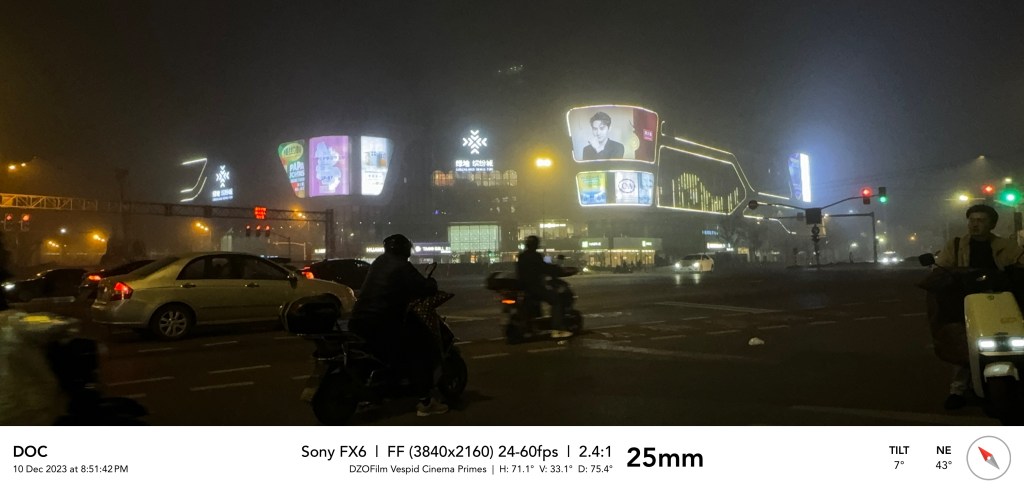
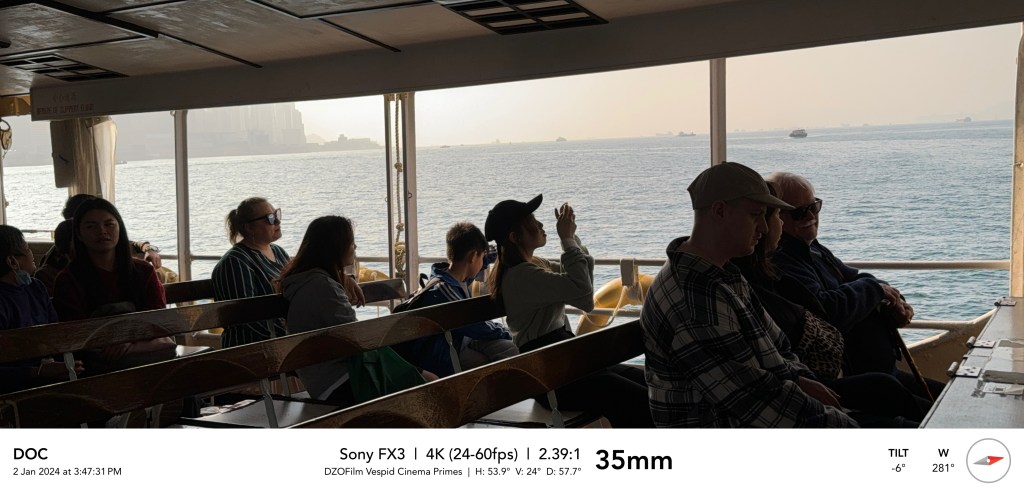
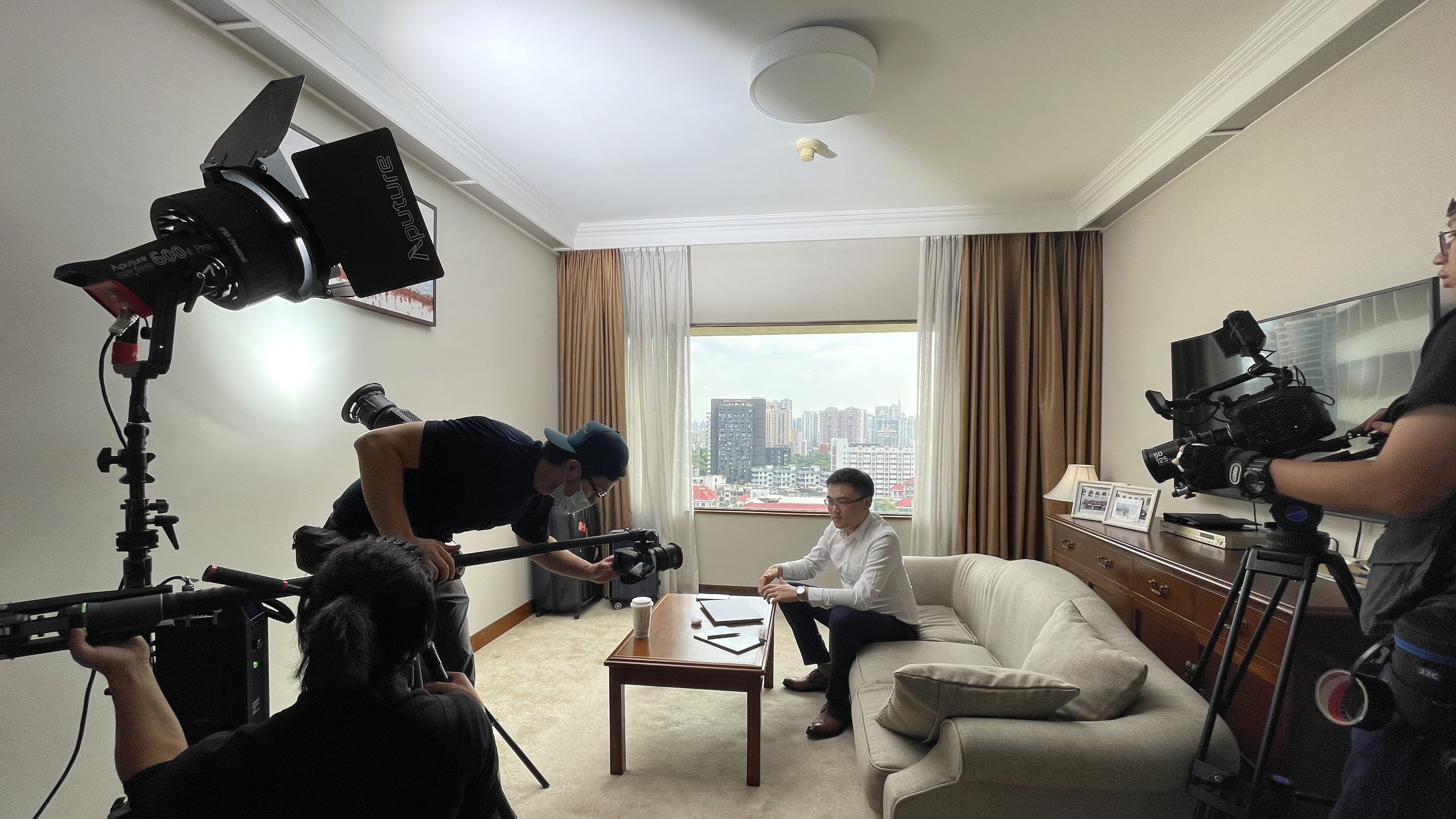
    BTS of a Wall Street Journal x Huawei Project, 2021

    China’s video production industry is rapidly growing and has become an essential hub for both local and international filmmakers. Whether you are shooting a film, documentary, TV show, or commercial, understanding the key terms used in China’s production industry can significantly improve communication and ensure smoother workflow. Here’s a comprehensive guide to 50 essential terms in China’s video production landscape.


    1. 拍摄 (Pāi Shè) – Filming / Shooting

    The process of capturing video footage. The term is used extensively on set.

    2. 导演 (Dǎo Yǎn) – Director

    The creative head of a project, responsible for guiding the production’s vision, performances, and the final output.

    3. 制片人 (Zhì Piàn Rén) – Producer

    Responsible for overseeing the production process, including budgeting, scheduling, and coordinating the crew.

    4. 摄影师 (Shè Yǐng Shī) – Cinematographer / Director of Photography (DP)

    The person responsible for the visual look of the film, including camera angles, shot composition, and lighting.

    5. 剧本 (Jù Běn) – Script

    The written blueprint for the film, including dialogue, stage directions, and scene descriptions.

    6. 剧组 (Jù Zǔ) – Crew

    The group of people working on a film or TV show, including directors, camera operators, sound engineers, and assistants.

    7. 道具 (Dào Jù) – Props

    Objects used by actors or placed within the scene to support the story or environment.

    8. 剪辑 (Jiǎn Jí) – Editing

    The process of selecting and arranging footage to create a cohesive narrative.

    9. 后期 (Hòu Qī) – Post-Production

    The phase after filming where the footage is edited, color graded, sound is mixed, and special effects are added.

    10. 灯光 (Dēng Guāng) – Lighting

    Refers to the setup and manipulation of lights to achieve the desired visual effect.

    11. 镜头 (Jìng Tóu) – Shot

    A continuous sequence of footage filmed by a single camera.

    12. 拍摄角度 (Pāi Shè Jiǎo Dù) – Camera Angle

    The position from which a camera captures a scene. Common angles include high, low, wide, and close-up shots.

    13. 音效 (Yīn Xiào) – Sound Effects (SFX)

    Sounds artificially created or enhanced in post-production to add realism or drama to a scene.

    14. 配乐 (Pèi Yuè) – Film Score / Music

    The music used to enhance the emotional impact and atmosphere of the film.

    15. 调色 (Tiáo Sè) – Color Grading

    The process of adjusting the colors in a video to match the desired visual tone or style.

    16. 特效 (Tè Xiào) – Special Effects (SFX)

    Visual effects used to create scenes that are difficult or impossible to achieve through regular filming, such as explosions or CGI.

    17. 视觉特效 (Shì Jué Tè Xiào) – Visual Effects (VFX)

    The digital manipulation of footage in post-production to create enhanced visuals or complex animations.

    18. 画面 (Huà Miàn) – Frame

    The visual composition or image captured by the camera. It can also refer to the aspect ratio of the footage.

    19. 镜头语言 (Jìng Tóu Yǔ Yán) – Cinematic Language

    Refers to the techniques used to convey meaning visually, including framing, camera movements, and shot composition.

    20. 曝光 (Pù Guāng) – Exposure

    The amount of light that reaches the camera’s sensor, determining how light or dark the image will be.

    21. 长镜头 (Cháng Jìng Tóu) – Long Take

    A scene shot in a single, unbroken take, often used for dramatic effect.

    22. 短片 (Duǎn Piàn) – Short Film

    A film that is shorter in duration, typically under 40 minutes.

    23. 剧情片 (Jù Qíng Piàn) – Feature Film

    A full-length movie, usually lasting more than 40 minutes.

    24. 纪录片 (Jì Lù Piàn) – Documentary

    A non-fiction film genre that provides factual information on a subject, event, or person.

    25. 实时拍摄 (Shí Shí Pāi Shè) – Real-Time Filming

    Refers to filming that takes place in real-time, such as live broadcasts or live-streaming.

    26. 机位 (Jī Wèi) – Camera Position

    The location or placement of the camera during filming.

    27. 动作 (Dòng Zuò) – Action

    The physical movement or sequence of events happening on screen, directed by the director and choreographed for the actors.

    28. 演员 (Yǎn Yuán) – Actor / Actress

    The individuals performing the roles in a film or TV production.

    29. 演员表 (Yǎn Yuán Biǎo) – Cast List

    A list of the actors and their corresponding roles in the production.

    30. 台词 (Tái Cí) – Dialogue

    The spoken words between characters in the film, part of the script.

    31. 拍摄计划 (Pāi Shè Jì Huà) – Shooting Schedule

    The timeline that outlines when and where each scene will be filmed during production.

    32. 剧本分析 (Jù Běn Fēn Xī) – Script Analysis

    The process of studying the script to understand its themes, characters, and narrative structure.

    33. 剧照 (Jù Zhào) – Stills

    Photographs taken on set, often used for promotional purposes or to capture key moments.

    34. 录音 (Lù Yīn) – Audio Recording

    The process of capturing sound during filming, including dialogue, ambient noise, and special effects.

    35. 无线麦克风 (Wú Xiàn Mài Kè Fēng) – Wireless Microphone

    A device used for capturing audio from actors during filming, without the limitation of cables.

    36. 拍摄许可 (Pāi Shè Xǔ Kě) – Filming Permit

    A legal authorization required to shoot in certain locations in China.

    37. 外景 (Wài Jǐng) – Outdoor Location

    A location for filming that is situated outside, usually involving natural settings or cityscapes.

    38. 内景 (Nèi Jǐng) – Indoor Location

    A location for filming that is inside a building or studio.

    39. 布景 (Bù Jǐng) – Set Design

    The creation of physical spaces and environments where the film’s action takes place.

    40. 摄影机 (Shè Yǐng Jī) – Camera

    The primary tool used to capture video footage. Different models are suited for different production types.

    41. 滑轨 (Huá Guǐ) – Slider / Dana Dolley

    A device that allows smooth horizontal camera movement, used for dynamic shots.

    42. 无人机 (Wú Rén Jī) – Drone

    An unmanned aerial vehicle used to capture aerial shots or sweeping wide-angle footage.

    43. 摇臂 (Yáo Bì) – Crane

    A mechanical arm used to move the camera vertically, offering sweeping, overhead shots.

    44. 稳定器 (Wěn Dìng Qì) – Stabilizer

    A tool designed to eliminate camera shake, ensuring smooth footage during movement.

    45. 计划书 (Jì Huà Shū) – Production Plan

    A detailed document that outlines every aspect of the production, including the shooting schedule, crew assignments, and logistics.

    46. 演示 (Yǎn Shì) – Rehearsal

    A practice session before filming where actors and crew go through the scenes.

    47. 即时反馈 (Jí Shí Fǎn Kuì) – Real-Time Feedback

    Feedback provided during the shooting process, allowing the crew to make adjustments immediately.

    48. 原始素材 (Yuán Shǐ Sù Cái) – Raw Footage / Rushes

    The unedited video footage captured during production before it undergoes any post-production work.

    49. 影片版本 (Yǐng Piàn Bǎn Běn) – Film Cut

    Refers to different versions of a film, such as the rough cut or final cut.

    50. 剪接点 (Jiǎn Jiē Diǎn) – Edit Point

    The place in the video timeline where one shot or scene transitions to another, also called a cut.


    Conclusion

    Knowing these 50 essential video production terms will help both local and international teams working in China communicate more effectively and navigate the complexities of the country’s video production environment. Whether you’re involved in the creative aspects of filmmaking or handling the technical side, these terms are key to understanding and excelling in the Chinese production landscape.

    By mastering the language of video production in China, you can ensure that your project runs smoothly, from pre-production to post-production, while also fostering better collaboration with your team and local production partners.

    Pixel Productions China: One of the best video production company in China

    Looking for reliable and professional video production services in China? Pixel Productions China is your ultimate partner, offering top-notch video production solutions tailored to your needs. As a leading China video fixer (Video Production Coordinator), we specialize in providing comprehensive services to ensure that your production process runs smoothly from start to finish. Whether you are a local brand or an international production house, our expertise and dedication to quality have made us the go-to choice for the world’s most respected brands.

    Experience the difference with Pixel Productions China, where customer satisfaction and exceptional service are our top priorities. Contact us today and let us handle all the logistics, permitting, and on-ground support you need to bring your vision to life in China.

    Contact us : info@pixelprocn.com

    Feel free to explore more insights below!

    Multilingual Video Production Services in China

    Innovative Solutions for Remote Video Production in China

    What Type of Chinese Visa Should a Camera Crew Apply for?

    Camera / Gear Rental in China: A Briefly Overview

    The Current State of Film and TV Equipment Rental in China: A Comprehensive Overview

    Corporate Video Portfolio

    Experienced Video Fixer & Production Support in Shanghai China

    Experienced Video and Photo Fixer in Suzhou China

    Experienced Fixer for Filming in Beijing China

    Experienced Video & Photo Fixer in Shenzhen China

    Experienced Video and Photo Fixer in Guangzhou China
    Leave a Reply

    Your email address will not be published. Required fields are marked *

  • カメラクルーが申請すべき中国ビザの種類とは?

    近年、中国本土での撮影を目的に訪れる国際的な映画クルーが増加しています。ニュース制作、ドキュメンタリー、テレビ番組、CM、劇映画など、どのような目的であっても、中国政府は外国人カメラクルーに対して厳格な規制を設けています。この記事では、中国での撮影に最適なビザの種類を詳しく解説します。「中国ビザ カメラクルー」「中国での撮影 ビザ」「中国 撮影規制」などのキーワードでGoogle検索上位を目指し、SEO対策を施しています。


    A. Zビザ(就労ビザ)

    Zビザの申請対象者

    • 中国で長期就労する映画クルー(監督、撮影監督、その他の技術スタッフなど)。
    • 俳優、女優、モデルなどのパフォーマンスクルー。

    Zビザが必要な場合

    • 正式な有償制作の一部である場合や、中国の制作会社と契約を結んでいる場合。

    Zビザの要件

    • 中国企業または組織からの招待状
    • 雇用証明書および関連資格(経験や証明書など)。
    • 健康診断書と警察証明書。

    国別のZビザ費用例(推定)

    • アメリカ: 140米ドル(シングルエントリー、3ヶ月就労ビザ)。
    • イギリス: 120~150ポンド。
    • インド: 5,000~7,000ルピー。
    • オーストラリア: 約100豪ドル(シングルエントリー)。
    • カナダ: 100~150カナダドル。

    Zビザの申請手順

    1. 必要書類(招待状、雇用契約書、健康診断書、警察証明書)を準備。
    2. 自国の中国大使館・領事館またはビザ代理店に申請を提出。
    3. ビザの種類と居住国に応じた申請費用を支払う。
    4. 処理時間は通常4~7営業日(急行サービス利用可)。
    5. ビザを受け取りに行くか、郵送で受け取る。

    重要ポイント

    ビザ費用やポリシーは変更されることがあるため、最新情報は最寄りの中国大使館・領事館や信頼できるビザ代理店で確認することをお勧めします。


    B. J2ビザ(臨時ジャーナリストビザ)

    J2ビザは、中国本土での短期撮影プロジェクト(ニュース、ドキュメンタリー、テレビ番組、CMなど)に特化したビザで、中国ラジオ・映画・テレビ交流協会(CARFTE)の支援が必要です。CARFTEは制作プロセス全体を管理・サポートし、このビザが中国での撮影を合法的に許可する唯一のビザです。

    J2ビザの申請手順

    1. 必要書類を準備:
      • 招待状。
      • 制作会社のポートフォリオとプロジェクト概要。
      • 詳細な撮影スケジュールとクルーのポートフォリオまたはウェブサイト。
      • 注意:民間ロケーションや中国人参加者が関わる場合、撮影計画は非常に詳細である必要があります。CARFTEが電話で確認を行います。
    2. 準備には2~3週間かかる場合があります(要件が厳格なため)。
    3. 中国大使館または領事館に申請を提出。
    4. CARFTEに申請費用を支払う(滞在日数に基づく計算)。1人あたり1日130米ドルで、現地スタッフ雇用時も同額。
    5. 処理時間は通常4~7営業日(急行可)。
    6. ビザを受け取るか郵送で受け取る。

    J2ビザのメリット

    • CARFTEが公共の撮影場所の確保を支援。
    • 大型プロ機材の通関手続きをサポート。

    J2ビザのデメリット

    • 申請プロセスが長く、費用が高い。
    • ドローンの使用は禁止されており、警察が撮影内容を確認しにくる場合があります。

    C. Lビザ(観光ビザ)および240時間トランジットビザ免除

    短期間のプロジェクトで、軽量機材を使用する少人数のクルー大都市のみで撮影する場合Lビザ(観光ビザ)または240時間トランジットビザ免除で十分な場合があります。多くのYouTuberもこのビザを利用して中国で撮影しています。Lビザの要件は簡単で入手しやすいです。

    最適な用途

    • 最小限の機材で迅速な都市部での撮影。

    結論:中国での撮影に最適なビザを選ぶ

    中国でのスムーズな撮影には、適切なビザの選択が不可欠です:

    • Zビザ: 長期プロジェクトや正式雇用に最適。
    • J2ビザ: CARFTE支援付きの短期プロジェクトに適している。
    • Lビザ: 小規模で都市部の軽量プロジェクトに適している。

    ビザ要件を理解し、必要書類を揃えることで、中国での撮影が成功裡に進みます。「中国 撮影ビザ」「カメラクルー 中国 ビザ申請」などの検索で上位表示を目指し、実用的な情報と手順を提供しました。

    プロジェクトに最適なビザ取得をサポートいたしますので、お気軽にご相談ください


    この日本語翻訳は、「中国ビザ 撮影」「カメラクルー ビザ申請」などのキーワードを自然に織り込み、SEO対策を強化しています。見出しの明確化やリスト形式で読みやすさを向上させ、Google検索での視認性を高めています。

    Pixel Productions China: info@pixelprocn.com

    Leave a Reply

    Your email address will not be published. Required fields are marked *

  • What Type of Chinese Visa Should a Camera Crew Apply for?

    In recent years, more and more international film/video crews have come to mainland China for filming. Whether for news production, documentaries, TV shows, commercials, or feature films, the Chinese government has stringent regulations regarding foreign camera crews. This article will introduce the most commonly used visa types for filming in China.


    A. Z Visa (Work Visa)

    Who Should Apply:

    • Film crew members who are employed for long-term work in China, such as directors, cinematographers, and other technical staff.
    • Performance crew members like actors, actresses, and models.

    When Needed:

    • If the crew is part of a formal, paid production or has a contract with a Chinese production company.

    Requirements:

    • An invitation letter from the Chinese company or organization.
    • Proof of employment and relevant qualifications.
    • Health check and police clearance.

    Example Costs by Country (Estimated):

    • United States: $140 USD for a single-entry, 3-month work visa.
    • United Kingdom: £120 to £150 GBP.
    • India: ₹5,000 – ₹7,000 INR.
    • Australia: Approximately $100 AUD for a single-entry visa.
    • Canada: Around $100 – $150 CAD.

    Steps to Apply for a Work Visa (Z Visa):

    1. Obtain the necessary documents (invitation letter, employment contract, medical clearance, police certificate).
    2. Submit the application at a Chinese consulate or embassy in your home country or via a visa agency.
    3. Pay the application fee based on the visa type and your country of residence.
    4. Wait for processing (usually 4–7 business days unless expedited).
    5. Pick up your visa or have it mailed to you.

    Important Tip: Visa fees and policies can change, so it’s recommended to check with your local Chinese consulate or embassy, or a trusted visa agency for the latest information.


    B. J2 Visa (Temporary Journalist Visa)

    The J2 Visa is more specialized and requires assistance from the Chinese Association for Radio, Film, and TV Exchanges (CARFTE), which also manages and assists with the entire production process. This visa is commonly used for camera crews working on short-term filming projects in mainland China, including news, documentaries, TV shows, or commercials. It’s the only visa that legally permits filming in China.

    Steps to Apply for a J2 Visa:

    1. Gather the necessary documents (invitation letter, production company portfolio, project introduction, detailed production schedule, crew members’ portfolios or websites).
      • Note: The filming plan must be very detailed, especially if private locations or Chinese participants are involved. CARFTE will need to verify these details with phone calls.
      • This process can take 2–3 weeks due to the extensive preparations.
    2. Submit the application at a Chinese consulate or embassy.
    3. Pay the application fee to CARFTE (calculated based on the days you are in China). Each person is charged $130 USD per day, and if you need to hire local staff, the same rate applies.
    4. Wait for processing (typically 4–7 business days unless expedited).
    5. Pick up your visa or have it mailed to you.

    Advantages:

    • CARFTE can assist in securing public shooting locations.
    • It helps camera crews with professional, large equipment by liaising with customs.

    Disadvantages:

    • The application process takes longer and the cost is higher.
    • Drone usage is prohibited, and occasionally police may visit to confirm filming details.

    C. L Visa (Tourist Visa) and 240-Hour Transit Visa-Free

    If your project has tight timelines and a small crew with light equipment, filming only in large Chinese cities, this visa may be sufficient. Many YouTubers also use this visa for filming in China. The requirements for the L Visa are readily available and straightforward.


    Conclusion

    Choosing the right visa for your camera crew is essential for smooth filming operations in China. The Z Visa is ideal for long-term work, J2 Visa is suited for short-term projects with CARFTE assistance, and L Visa is appropriate for small, light projects in urban areas. Understanding the visa requirements and preparing all necessary documentation will help ensure a successful filming experience in China.

    Pixel Productions China: One of the best video production company in China

    Looking for reliable and professional video production services in China? Pixel Productions China is your ultimate partner, offering top-notch video production solutions tailored to your needs. As a leading China video fixer (Video Production Coordinator), we specialize in providing comprehensive services to ensure that your production process runs smoothly from start to finish. Whether you are a local brand or an international production house, our expertise and dedication to quality have made us the go-to choice for the world’s most respected brands.

    Experience the difference with Pixel Productions China, where customer satisfaction and exceptional service are our top priorities. Contact us today and let us handle all the logistics, permitting, and on-ground support you need to bring your vision to life in China.

    Contact us : info@pixelprocn.com

    Leave a Reply

    Your email address will not be published. Required fields are marked *

    FAQs on Video Production in China

    1️⃣ What are the advantages of working with a Chinese video production company?
    Chinese video production companies offer extensive local expertise, cost-effective solutions, and high-quality production services. They understand the market dynamics, local regulations, and cultural nuances, ensuring a smooth production process.

    2️⃣ How do I find a reliable China video fixer for my project?
    A reliable China video fixer should have a strong network, experience with international productions, and knowledge of permits, logistics, and local crew coordination. It’s best to work with established production coordinators who have a proven track record in managing foreign shoots.

    3️⃣ What are the key factors to consider when hiring a Chinese video production company?
    When choosing a Chinese video production company, consider their experience, portfolio, communication skills, language capabilities, and familiarity with both domestic and international production standards.

    4️⃣ How does a China video production coordinator support international projects?
    A China video production coordinator assists with pre-production planning, location scouting, securing permits, hiring local crew, renting equipment, and managing logistics, ensuring a seamless production experience.

    5️⃣ What should I know about corporate video production in China?
    Corporate video production in China requires an understanding of local business etiquette, branding strategies, and industry-specific messaging. It’s crucial to work with a team that can navigate cultural sensitivities while delivering compelling visual storytelling.

    6️⃣ How do I ensure smooth post-production collaboration with a Chinese video production company?
    To streamline post-production, use cloud-based file-sharing platforms compatible with China’s internet infrastructure. Ensure clear communication regarding editing styles, revisions, and final delivery formats.

    Feel free to explore more insights below!

    Multilingual Video Production Services in China

    Innovative Solutions for Remote Video Production in China

    What Type of Chinese Visa Should a Camera Crew Apply for?

    Camera / Gear Rental in China: A Briefly Overview

    Camera / Gear Rental in China: A Briefly Overview

    Corporate Video Portfolio

    Experienced Video Fixer & Production Support in Shanghai China

    Experienced Video and Photo Fixer in Suzhou China

    Experienced Fixer for Filming in Beijing China

    Experienced Video & Photo Fixer in Shenzhen China

    Experienced Video and Photo Fixer in Guangzhou China
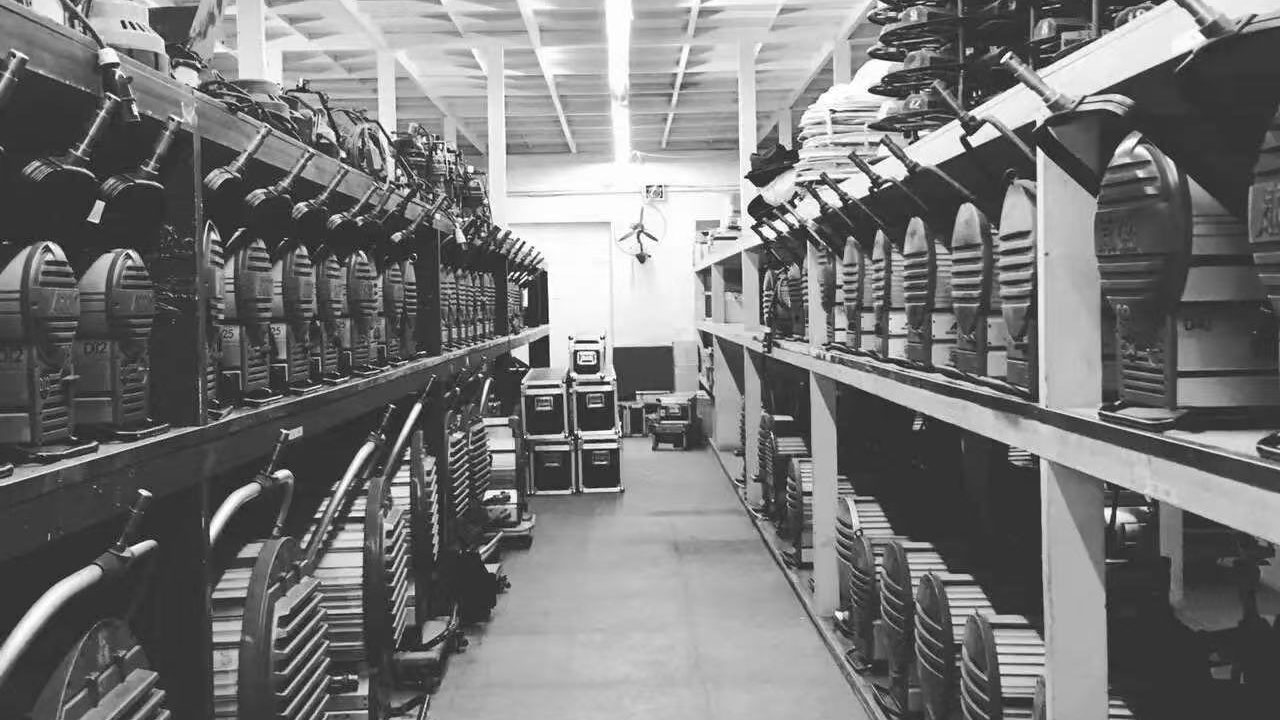
  • 中国における映画・テレビ制作機材レンタル市場

    中国は映画とテレビ制作の最大かつ最もダイナミックな市場の一つであり、急成長している機材レンタル業界を誇ります。最近の推定によると、中国には約6,000社の映画・テレビ機材レンタル会社が存在しています。特に山東省や浙江省には、映画制作の拠点が集まり、約1,000社が集中しています。この広範なレンタルサービスのネットワークは、国内外の映画クルーを支え、高品質な制作機材の需要に応えています。

    中国の映画・テレビ機材レンタル市場の主要都市

    中国の主要都市は映画・テレビ制作の中心地であり、最新鋭の機材を提供する強力なレンタル市場を誇ります。

    • 北京: 中国の映画産業の中心であり、数多くのレンタル会社が存在し、映画制作に欠かせない重要なロケ地となっています。
    • 上海: 国際的な大都市として、成熟した高度なレンタル市場を提供し、需要に応じたサービスが整っています。
    • 深セン: テクノロジーと製造業で知られる深センは、映画機材レンタル市場において重要な役割を果たしています。
    • 香港: アジア映画の中心地として名高い香港は、確立されたレンタル市場を持ち、最上級の機材を提供しています。
    • その他の主要都市: 杭州、広州、成都などの都市も映画機材レンタル分野で強いパフォーマンスを見せています。

    これらの都市では、Arri、Red、Sony、Canon、Blackmagic Design、Zeissなどの国際的に認知されたブランドの機材や、DJI、Aputure、Laowa、Zcamなどの人気中国ブランドの機材を簡単に見つけることができます。

    中規模都市における映画・テレビ機材レンタル

    中規模都市でも、ドキュメンタリーやプロモーションビデオ制作の需要に応えることができます。重慶、西安、武漢、青島、瀋陽、済南、長春、蘇州、無錫、寧波、昆山、義烏、廈門、福州、東莞、珠海、仏山、海口、三亜、貴陽、昆明、武漢、鄭州、長沙、南昌、天津などの都市では、地域制作や小規模なプロジェクト向けの機材レンタル市場が発展しており、多様な制作ニーズに対応しています。

    各都市における機材レンタル市場の概要

    • 大都市: 大都市では市場の需要が高く、レンタルサービスは広範で、最新のメンテナンスが施された機材が提供されます。費用対効果の観点では、北京や横店(Hengdian)など、多くのレンタル会社が集まる都市が最も競争力のある料金を提供する傾向にあります。長期的なプロジェクトの場合、これらの都市から機材をレンタルするのが推奨されます。
    • 香港・マカオ: これらの地域では運営コストが高いため、レンタル料金も高めですが、その分、機材のメンテナンスサービスが優れており、機材が常に最高の状態で提供されます。

    中国の映画・テレビ機材レンタル市場で利用可能な機材

    中国のレンタル市場では、さまざまな制作ニーズに対応する機材を豊富に取り揃えています。

    カメラ

    • Arri: Mini LF, Alexa Mini, Alexa LF
    • Red: V-Raptor, V-Raptor XL, Gemini, Komodo-X, Komodo
    • Canon: C500 II, C300 III, C100, C70, R5, R6
    • Sony: FX9, FX6, FX3, A7SIII, A7IV
    • Blackmagic: URSA, 6K Pro, 6K Full Frame

    レンズ

    • Zeiss/Arri: Master Anamorphic, Supreme Prime, Ultra Prime
    • Cooke: S4i, S5i
    • Canon: Sumire Prime, Tilt-Shift
    • Fujinon: Zoom, Laowa Prime/Zoom/Anamorphic/Marco
    • Dzofilm: Laowa Prime/Zoom/Anamorphic/Marco
    • Sirui: レンズ

    専門機材

    • アクションカメラ・360度カメラ: GoPro, DJI, Insta360
    • 高速カメラ: Phantom Flex 4K, Wave Freefly
    • ドローン: DJI Inspire 2/3, Mavic 3 Pro/Master, Mavic Air, FPV
    • 照明: Arri HMI/Tungsten/LED, Aputure LED, Nanlight LED
    • 音響機器: ワイヤレスマイク、ブームマイク、サウンドミキサー
    • ロボットアーム: Moco Bolt Cinema Robot Arm System

    カメラサポートとアクセサリー

    • 三脚、スライダー、ダナ・ドリー、スタビカム
    • グリップ機器: Panther Dolly, Mini-Jib, クレーン, DJI Ronin, Zhiyun
    • モニター: 各サイズ、ワイヤレストランスミッター、Atomos Ninja

    中国での映画・テレビ機材レンタルの支払いオプション

    レンタルサービスは、柔軟な支払いオプションを提供しています。

    • デポジット: 機材のレンタル費用に相当するデポジットが必要です。小規模なプロジェクトにはこのオプションが最適です。
    • 機材アシスタント: 多くのレンタル会社では、機材管理だけでなく、撮影中のバッテリー管理などのタスクをサポートするトレーニングを受けたアシスタントを提供しています。

    私たちの映画・テレビ機材レンタルサービスを選ぶ理由

    • 豊富な業界経験: 当チームは、あらゆる規模のプロジェクト管理の経験が豊富で、最新の機材やアクセサリーに精通しています。
    • バイリンガルサポート: 国際クルーとの円滑なコミュニケーションをサポートするため、バイリンガルのサポートを提供しています。
    • カスタマイズ可能なサービス: プロジェクトのニーズに基づいた機材リストを提供するか、予算に応じて最適な機材計画を提案します。
    • 品質保証: 中国の主要都市の信頼できるレンタル会社と提携し、事前に徹底したチェックを行い、最高品質の機材を提供します。
    • 包括的な保険: プロジェクトに応じた機材保険を提供し、制作中の安心を確保します。

    次回の映画制作のためにお問い合わせください

    豊富な機材、柔軟なレンタルオプション、熟練したチームを備え、次回の映画制作をサポートします。北京、香港、または中国の主要都市での撮影において、成功に向けた最高のツールをご提供します。今日、私たちにお問い合わせいただき、どのようにしてあなたの制作をサポートできるかをぜひご確認ください。

    Pixel Productions China: info@pixelprocn.com

    Leave a Reply

    Your email address will not be published. Required fields are marked *

  • ビデオ制作におけるテクニカルスカウトを最適化するための6つのツール

    成功するビデオ制作は、カメラが回り始める前から始まります。事前制作の中でも最も重要なフェーズの一つが、テクニカルスカウト—撮影ロケーションの技術的偵察です。徹底的なテクニカルスカウトは、撮影がスムーズに進むために必要不可欠で、照明、音響、カメラアングル、ロジスティクスの問題を事前に防ぐことができます。現代の映画製作者は、このテクニカルスカウトプロセスを効率化し、ロケーションでの精度を向上させるために多くのツールを活用しています。

    1. アプリ – Cadrage: カメラアングルと構図の視覚化

    Cadrageは、監督や撮影監督がロケーションでカメラアングル、構図、ショットの構成を迅速に視覚化できる強力なモバイルアプリです。このアプリを使えば、高価な機材を現場に持ち込むことなく、簡単に位置をマーキングしたり、異なるアングルやカメラの動きを試したりできます。

    主な機能:

    • 仮想カメラレンズと焦点距離でショットの構成を作成。
    • カメラの動きを試して、さまざまなショットがどのように機能するかを確認。
    • 照明と影を調整して、最終的なショットがどのように見えるかを把握。
    • 視覚的アイデアを迅速にチームと共有。

    テクニカルスカウト中にCadrageを使用することで、時間とエネルギーを節約し、最適なショットを適切な場所でキャプチャし、ビジョンに合った撮影ができます。


    2. アプリ – Blocker: シーンのブロッキングと動きの計画

    Blockerアプリは、監督、助監督(AD)、撮影監督がシーンのブロッキングと俳優の動きの計画に最適なツールです。各ショットのために重要な動作とステージングをマッピングすることができ、セット上の全員が人や物の配置を明確に理解できます。

    主な機能:

    • 3D空間で俳優のブロッキングを計画・視覚化。
    • 俳優とカメラオペレーターの動きのパスを作成。
    • シーンをシミュレートするためにプリセット環境やロケーションを統合。
    • 視覚化されたシーンをチームと共有し、アクションの流れに合わせる。

    Blockerを活用することで、事前に明確な計画を立てることができ、撮影中の急な変更や混乱を減らすことができます。


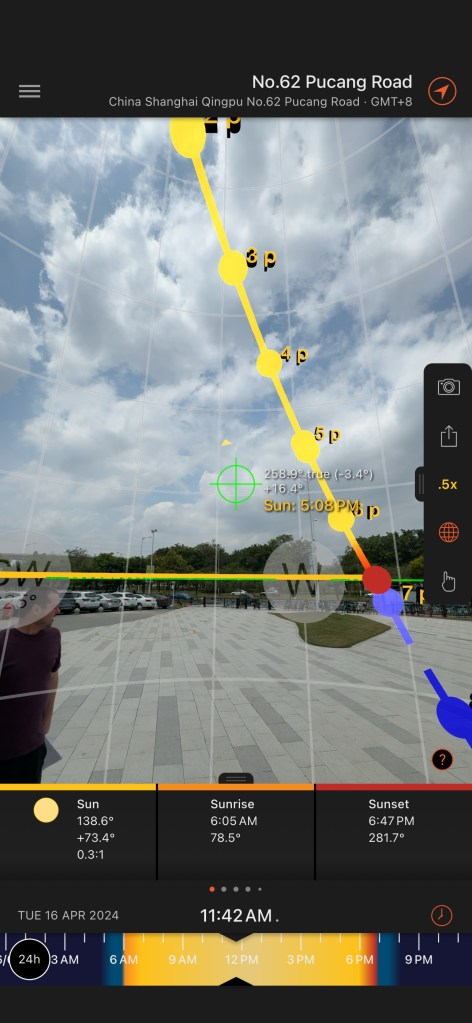
    3. アプリ – Sun Surveyor: 自然光の計画

    屋外での撮影では、自然光が非常に重要な要素となります。Sun Surveyorアプリは、特定のロケーションで太陽の位置を把握し、撮影に最適な時間を計画するのに役立ちます。このアプリは、日中の太陽の位置やその変化を正確に提供し、理想的な照明条件を得るための計画をサポートします。

    主な機能:

    • どこでもリアルタイムで太陽の位置と経路を表示。
    • 拡張現実(AR)機能で、リアルタイムで太陽の位置を視覚化。
    • 正確なライティング計画のための太陽の角度、高度、方位を提供。
    • 内部および外部撮影に適した自然光の評価ツールを提供。

    テクニカルスカウト中にSun Surveyorを使用することで、撮影のために自然光を最適化し、ドラマチックな影や柔らかい光を作り出すことができます。


    4. 360カメラ: 没入型ロケーションスカウティング

    360カメラは、テクニカルスカウト中にロケーションの完全な没入型ビューを記録する非常に有用なツールです。これらのカメラは360度のパノラマ映像や静止画をキャプチャし、後でロケーションをあらゆる角度から仮想的に探索したり、これらの画像をスタッフと共有したりできます。

    主な機能:

    • ロケーション全体の360度画像や動画をキャプチャ。
    • 広大なエリアやアクセスが難しい場所のスカウティングに最適。
    • チームメンバーがリモートでロケーションを確認。
    • ショットや動きの流れを視覚化しやすくします。

    360カメラを使用することで、スカウト中に現地のすべての詳細を記録し、後で確認することができます。また、再訪が難しい場所でも貴重な資料となります。


    5. ドローン: 空撮でロケーションスカウティング

    ドローンは、広いエリアやアクセスが困難な場所で撮影を行うロケーションスカウトにとって非常に貴重な資産です。ドローンは環境の空撮を提供し、カメラアングルの計画やスペースのレイアウトを把握し、鳥瞰図的なショットを視覚化するのに役立ちます。

    主な機能:

    • 高品質な空撮映像をキャプチャ(ビデオおよび静止画)。
    • リモートロケーションやアクセス困難な場所へのアクセス。
    • 広大なロケーション(屋外の風景や広大な建物の敷地)を調査。
    • 特定のショットに対するロケーションの適性を評価するための即時のオーバービュー。

    ドローンを活用することで、テクニカルスカウトを新たな高さに引き上げ、地上からでは想像できなかったショットを計画できます。


    6. KeynoteまたはPowerPointオンライン: 協力的なロケーションレポート

    ロケーションをスカウティングする際のコミュニケーションは非常に重要です、特に異なる場所に散らばったチームと一緒に作業する場合は特にそうです。レポートをリアルタイムで共有することで、全員が同じページに立ち、迅速に共同決定を下すことができます。

    KeynoteまたはPowerPointを使ったオンラインでの協力は、テクニカルスカウトレポートを作成、更新、共有する素晴らしい方法です。これらのプラットフォームでは、写真、メモ、マップ、動画などをアップロードし、チームが同時に確認できます。現地にいようとオフィスに戻っていようと、発見事項を更新したり、フィードバックをもらったりできます。

    主な機能:

    • チーム全体とロケーションレポートを即座に共有。
    • ロケーションを示す写真、動画、3Dビジュアライゼーションを含む。
    • リアルタイムでコラボレーションし、アイデアやフィードバックを共有。
    • スカウティング中に決定された内容をデジタル記録として残し、一貫性を保つ。

    KeynoteやPowerPointを使用すれば、チーム全体が最新の情報に簡単にアクセスでき、誤解を減らし、迅速な意思決定を行うことができます。

    Pixel Productions China: info@pixelprocn.com

    Leave a Reply

    Your email address will not be published. Required fields are marked *

  • ビデオ制作におけるテクニカルスカウトの重要性と役割

    ビデオ制作において、計画は全てです。適切なロケーション選びから、キャストやスタッフの調整に至るまで、すべての詳細が重要です。その中でも、撮影をスムーズに進めるために欠かせないのが「テクニカルスカウト」です。この事前調査は、プロジェクトの成功を左右する重要なステップです。しかし、テクニカルスカウトとは一体何であり、なぜそれがそんなに重要なのでしょうか?

    Scouting at Shanghai Filming Park, 2023

    テクニカルスカウトの目的と重要性

    テクニカルスカウト(または技術調査)は、監督や撮影監督(DP)などの主要スタッフが撮影場所を事前に訪れ、撮影に必要な技術的要素を確認する事前準備の一環です。このスカウトでは、ライティング、カメラアングル、音響、機材の設置、電源、ロジスティクスなどの技術面を評価します。要するに、撮影チームが現地で実際に場所を確認し、撮影に必要な重要な決定を行う機会です。

    クリエイティブな要素も重要ですが、テクニカルスカウトは撮影がスムーズに進むためのロジスティック面や技術的要素に焦点を当てています。これにより、撮影予定のシーンに適したロケーションが確保できるだけでなく、予期しない問題を事前に解決することが可能になります。

    テクニカルスカウトが必要な理由

    テクニカルスカウトは、事前制作段階でいくつかの重要な役割を果たします。

    1. ライティングの評価

    撮影監督(DP)は、光が場所や周囲の環境とどのように相互作用するかを評価します。最適な撮影時間、利用可能な自然光源、そして人工光源の追加方法を決定します。

    例えば、窓が多いロケーションでは、朝の自然光が美しく入る一方で、午後には暗くなったり、光が強すぎる場合もあります。事前に現地を訪れることで、撮影のライティングを補完する機材や設置方法を計画し、最終的な映像が一貫性を持ち、質の高いものに仕上がるように準備できます。

    2. カメラアングルと構図

    監督と撮影監督は、カメラの配置、ショットの構図、シーンを撮影するための最適なアングルを話し合います。また、環境を評価して、予期せぬ障害物がないかを確認し、必要に応じてスペースの調整を計画します(例えば、家具を移動したり、追加の小道具を加えるなど)。

    この段階では、周辺のエリアをスカウティングして、Bロールや代替ショットの撮影場所もチェックします。ロケーションが多様なビジュアルチャンスを提供するかも確認します。

    3. 音響と音の評価

    ビジュアル面の計画に興奮しがちですが、音質は制作の成功に欠かせない要素です。テクニカルスカウトでは、音響チームがロケーションの音環境を評価し、音の干渉や雑音の問題を確認します。

    現地での音のテストを行い、背景音(交通や風など)が問題となる場合、それをコントロールできるか、外部マイクが必要かを決定します。時には、防音対策や、騒音の多い時間帯に合わせて撮影スケジュールを調整する必要があることもあります。

    4. 電源と機材のロジスティクス

    撮影が成功するためには、機材と技術が重要な役割を果たします。テクニカルスカウトでは、ロケーションでの電力供給の可用性と信頼性を評価します。照明やカメラ、その他の機材を稼働させるために十分な電力があるか、必要なコンセントが足りるか、発電機が必要かなどを確認します。

    また、機材の輸送と設置方法についても計画を立て、効率的にスペースを管理しながら機材を運搬する方法を決めます。

    5. 安全性とアクセス

    安全性はすべてのビデオ制作において最優先事項です。テクニカルスカウトでは、撮影現場の潜在的な危険を特定します。例えば、構造物が不安定であったり、床が滑りやすかったり、電気的な危険があったりする場合があります。

    また、機材の搬入や設置が容易か、スタッフや出演者が場所を移動しやすいかも評価します。特に、移動が困難な出演者がいる場合、ロケーションがそのニーズに対応できるかを確認することも重要です。

    Visual Aspect from Scouting to Final Work, South China Morning Post Project, 2022

    テクニカルスカウトに関わるメンバー

    テクニカルスカウトには、通常、以下の主要メンバーが関与します:

    • 監督: 監督は創造的なビジョンを牽引し、ロケーションが物語にどのように役立つかを理解する必要があります。スカウトでは、監督はシーンのビジョンに合った場所かどうかを評価します。
    • 撮影監督(DP): 撮影監督は、映画の視覚面(ライティング、カメラの配置、構図)を担当します。スカウト中に、撮影のライティング方法や最適なアングルを計画します。
    • 美術監督: 美術監督は、監督と撮影監督と密に連携し、ロケーションが映画の美的スタイルに合っているかを確認します。場所をどのように装飾または修正するかを計画します。
    • 音響部門: 音響チームは、ノイズや音の問題を評価し、撮影中にそれらを回避する方法を準備します。マイクのテストや音のコントロール計画を立てます。
    • ロケーションマネージャー: ロケーションマネージャーは、撮影場所を確保し、その場所が技術的・ロジスティックなニーズに合っているかを確認します。また、必要な許可や地元の規制を調整します。
    • 助監督(AD): 助監督は、撮影スケジュールとロジスティクスを調整します。テクニカルスカウト中には、タイムラインを守り、必要な準備を整える役割を担います。
    Visual Aspect from Scouting to Final Work, South China Morning Post Project, 2022

    テクニカルスカウトの流れ

    テクニカルスカウトでは、チームはロケーションを歩きながら、クリエイティブと技術的な要素に注意を払い、以下の点について議論します:

    • 自然光と人工光の質と可用性
    • 各ショットに必要なカメラの位置とフレーミング
    • 音の管理方法、雑音や音響の調整方法
    • 機材の設置場所と効率的な輸送方法
    • アクセスや安全性の問題
    • 撮影許可や特別な要件

    スカウト後、各部門は調査結果を報告書やドキュメントとしてまとめ、撮影の準備を進めます。これにより、事前に問題を特定し、撮影日にスムーズに進行できるようになります。

    結論:テクニカルスカウトの成功への鍵

    テクニカルスカウトは、事前制作において最も重要な要素の一つです。監督や撮影監督、その他の主要スタッフが、問題を予測し、ロジスティクスを計画し、ロケーションが制作に適しているかを確認するための重要なステップです。テクニカルスカウトを実施することで、予期しない問題を避け、撮影プロセスを効率化し、最終的な製品が視覚的にも技

    Contact us: info@pixelprocn.com

    Leave a Reply

    Your email address will not be published. Required fields are marked *

  • Camera / Gear Rental in China: A Briefly Overview

    China is one of the largest and most dynamic markets for film and TV production, with a booming equipment rental industry. As of recent estimates, there are around 6,000 film and TV equipment rental companies across the country. Shandong and Zhejiang provinces are home to approximately 1,000 of these companies due to their significant film production hubs. This extensive network of rental services supports both local and international film crews, helping to meet the growing demand for high-quality production equipment.

    Major Cities for Film and TV Equipment Rentals in China

    China’s primary cities are key hubs for film and TV production, with robust rental markets offering state-of-the-art equipment:

    • Beijing: As the heart of China’s film industry, Beijing hosts a large number of rental companies, making it a crucial location for film production.
    • Shanghai: With its status as an international metropolis, Shanghai offers a mature and highly developed rental market driven by high demand.
    • Shenzhen: Known for its technological and manufacturing strengths, Shenzhen plays an important role in the film equipment rental market.
    • Hong Kong: Once the center of Asian cinema, Hong Kong’s rental market is well-established, offering top-tier equipment.
    • Other Key Cities: Cities like Hangzhou, Guangzhou, and Chengdu also show strong performance in the film equipment rental sector.

    In these cities, you can easily find equipment from internationally recognized brands such as Arri, Red, Sony, Canon, Blackmagic Design, and Zeiss, alongside popular Chinese brands like DJI, Aputure, Laowa, and Zcam.

    Film and TV Equipment Rentals in Medium-Sized Cities

    Medium-sized cities are also able to cater to the demands of documentary and promotional video production. Locations such as Chongqing, Xi’an, Wuhan, Qingdao, Shenyang, Jinan, Changchun, Suzhou, Wuxi, Ningbo, Kunshan, Yiwu, Xiamen, Fuzhou, Dongguan, Zhuhai, Foshan, Haikou, Sanya, Guiyang, Kunming, Wuhan, Zhengzhou, Changsha, Nanchang and Tianjin have developed robust rental markets, providing access to equipment suited for smaller-scale and regional productions.

    Key Insights into Equipment Rental Across Cities

    • Large Cities: With higher market demand, equipment rental services in larger cities are extensive, offering up-to-date and well-maintained gear. In terms of cost-efficiency, Beijing and Hengdian—home to numerous rental companies—tend to offer the most competitive rates. For long-term projects, renting equipment from these cities is recommended.
    • Hong Kong and Macau: While rental prices are higher in these regions due to operating costs, they also boast the best equipment maintenance services, ensuring that the gear is in top condition.

    Film and TV Equipment Available for Rent

    The rental market in China offers a vast array of equipment to suit various production needs:

    Cameras

    • Arri: Mini LF, Alexa Mini, Alexa LF
    • Red: V-Raptor, V-Raptor XL, Gemini, Komodo-X, Komodo
    • Canon: C500 II, C300 III, C100, C70, R5, R6
    • Sony: FX9, FX6, FX3, A7SIII, A7IV
    • Blackmagic: URSA, 6K Pro, 6K Full Frame

    Lenses

    • Zeiss/Arri Master Anamorphic, Supreme Prime, Ultra Prime
    • Cooke S4i, S5i
    • Canon Sumire Prime, Tilt-Shift
    • Fujinon Zoom, Laowa Prime/Zoom/Anamorphic/Marco
    • Dzofilm Laowa Prime/Zoom/Anamorphic/Marco
    • Sirui

    Specialized Equipment

    • Action and 360 Cameras: GoPro, DJI, Insta360
    • High-Speed Cameras: Phantom Flex 4K, Wave Freefly
    • Drones: DJI Inspire 2/3, Mavic 3 Pro/Master, Mavic Air, FPV
    • Lighting: Arri HMI/Tungsten/LED, Aputure LED, Nanlight LED
    • Sound Equipment: Wireless Microphones, Boom Microphones, Sound Mixers
    • Robotic Arms: Moco Bolt Cinema Robot Arm System

    Camera Support and Accessories

    • Tripods, Sliders, Dana Dolly, Steadicam
    • Grip Equipment: Panther Dolly, Mini-Jib, Crane, DJI Ronin, Zhiyun
    • Monitors: Various sizes, Wireless Transmitters, Atomos Ninja

    Payment Options for Film and TV Equipment Rentals

    Rental services in China offer several flexible payment options:

    1. Deposit: A deposit equivalent to the rental cost of the equipment is required. This option is ideal for smaller projects.
    2. Equipment Assistants: Many rental companies also provide trained assistants who not only manage equipment but can assist with tasks such as battery management during filming.

    Why Choose Our Film and TV Equipment Rental Services?

    • Extensive Industry Experience: Our team has years of experience managing projects of all sizes and is well-versed in the latest equipment and accessories.
    • Bilingual Team: We offer bilingual support to ensure smooth and efficient communication with international crews.
    • Customizable Service: We can either provide a tailored list of equipment based on your project needs or work within your budget to propose an optimal equipment plan.
    • Quality Assurance: We partner with trusted rental companies across major cities in China and perform thorough pre-rental checks to ensure the highest quality of equipment.
    • Comprehensive Insurance: We offer equipment insurance based on the specific needs of your project, ensuring that you are fully covered during production.

    Pixel Productions China: One of the best video production company in China

    Looking for reliable and professional video production services in China? Pixel Productions China is your ultimate partner, offering top-notch video production solutions tailored to your needs. As a leading China video fixer (Video Production Coordinator), we specialize in providing comprehensive services to ensure that your production process runs smoothly from start to finish. Whether you are a local brand or an international production house, our expertise and dedication to quality have made us the go-to choice for the world’s most respected brands.

    Experience the difference with Pixel Productions China, where customer satisfaction and exceptional service are our top priorities. Contact us today and let us handle all the logistics, permitting, and on-ground support you need to bring your vision to life in China.

    Contact us : info@pixelprocn.com

    Leave a Reply

    Your email address will not be published. Required fields are marked *

    FAQs on Video Production in China

    1️⃣ What are the advantages of working with a Chinese video production company?
    Chinese video production companies offer extensive local expertise, cost-effective solutions, and high-quality production services. They understand the market dynamics, local regulations, and cultural nuances, ensuring a smooth production process.

    2️⃣ How do I find a reliable China video fixer for my project?
    A reliable China video fixer should have a strong network, experience with international productions, and knowledge of permits, logistics, and local crew coordination. It’s best to work with established production coordinators who have a proven track record in managing foreign shoots.

    3️⃣ What are the key factors to consider when hiring a Chinese video production company?
    When choosing a Chinese video production company, consider their experience, portfolio, communication skills, language capabilities, and familiarity with both domestic and international production standards.

    4️⃣ How does a China video production coordinator support international projects?
    A China video production coordinator assists with pre-production planning, location scouting, securing permits, hiring local crew, renting equipment, and managing logistics, ensuring a seamless production experience.

    5️⃣ What should I know about corporate video production in China?
    Corporate video production in China requires an understanding of local business etiquette, branding strategies, and industry-specific messaging. It’s crucial to work with a team that can navigate cultural sensitivities while delivering compelling visual storytelling.

    6️⃣ How do I ensure smooth post-production collaboration with a Chinese video production company?
    To streamline post-production, use cloud-based file-sharing platforms compatible with China’s internet infrastructure. Ensure clear communication regarding editing styles, revisions, and final delivery formats.

    Would you like more tailored advice on your upcoming video production project in China? Let’s connect! 🎬

    Feel free to explore more insights below!

    Multilingual Video Production Services in China

    Innovative Solutions for Remote Video Production in China

    What Type of Chinese Visa Should a Camera Crew Apply for?

    Essential Travel Tips for Visiting China: Cultural Etiquette, Useful Phrases, and More

    Corporate Video Portfolio

    Experienced Video Fixer & Production Support in Shanghai China

    Experienced Video and Photo Fixer in Suzhou China

    Experienced Fixer for Filming in Beijing China

    Experienced Video & Photo Fixer in Shenzhen China

    Experienced Video and Photo Fixer in Guangzhou China
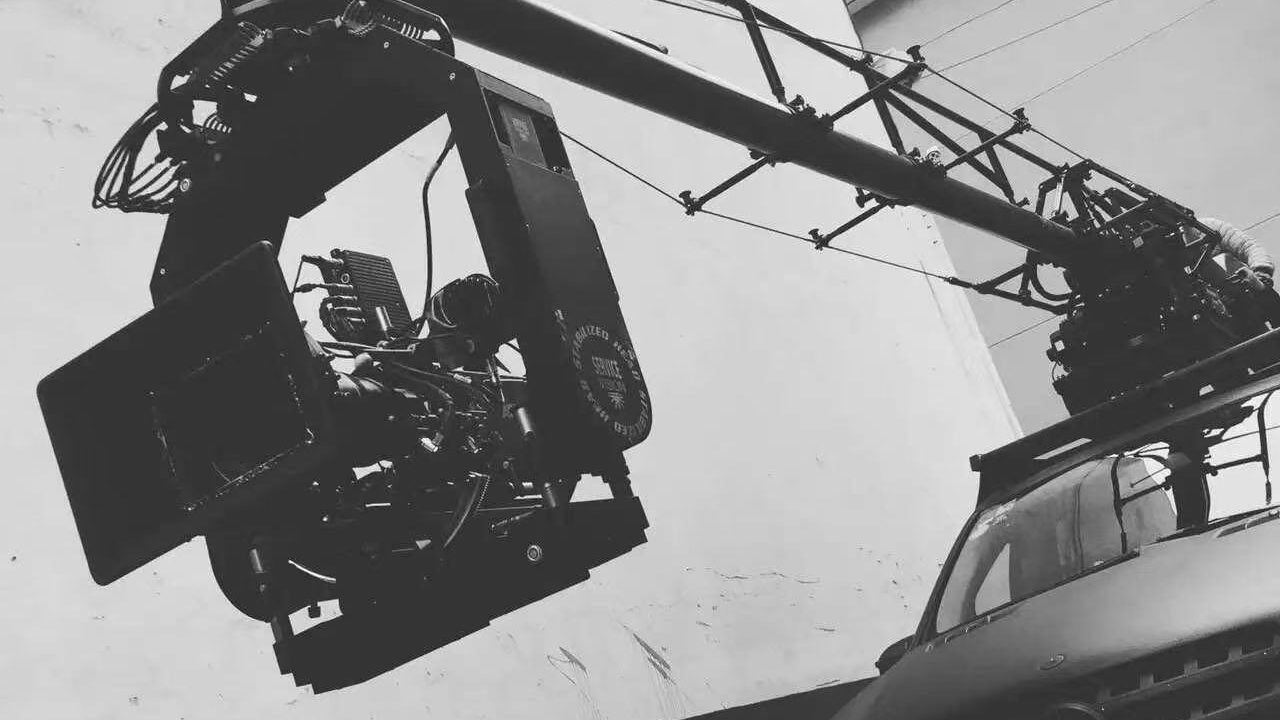
  • Essential Tools for a Successful Tech Scout in Video Production

    A successful video production starts long before the cameras start rolling. One of the most critical phases of pre-production is the tech scout—the technical reconnaissance of shooting locations. A thorough tech scout ensures that the shoot runs smoothly, mitigating potential issues with lighting, sound, camera angles, and logistics. To optimize the tech scout process, modern filmmakers have access to a variety of tools that help streamline the planning phase and improve accuracy on location.

    In this article, we’ll explore six essential tools that can enhance your tech scout and make sure you’re fully prepared for your next video shoot.

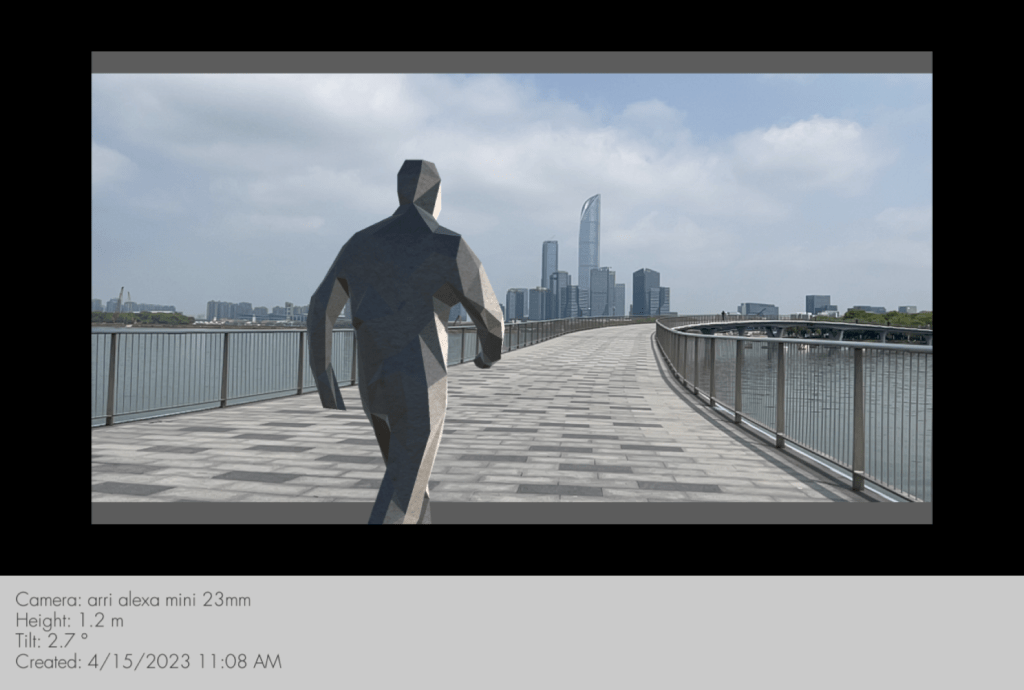
    1. App – Cadrage: Visualizing Camera Angles and Framing

    Cadrage is a powerful mobile app designed for directors and cinematographers to quickly visualize camera angles, framing, and shot compositions on location. This app allows you to easily mark positions and experiment with different angles, field-of-view, and camera movements without needing to bring expensive equipment on-site.

    Key Features:

    • Create shot compositions with virtual camera lenses and focal lengths.
    • Experiment with camera movement to see how different shots would work.
    • Adjust lighting and shadows to get a sense of how the final shot will look.
    • Use it to quickly communicate visual ideas with the rest of your team.

    Using Cadrage during your tech scout can save you time and energy, ensuring you’re capturing the right shots in the right locations while adhering to your vision.


    2. App – Blocker: Blocking Scenes and Staging Movements

    The Blocker app is an excellent tool for directors, ADs, and cinematographers when it comes to blocking scenes and planning actors’ movements. It allows you to map out key actions and staging for each shot, giving everyone on set a clear understanding of where people and objects will be positioned.

    Key Features:

    • Plan and visualize blocking for actors in 3D space.
    • Create movement paths for actors and camera operators.
    • Integrate pre-set environments and locations to simulate the scene.
    • Share visualized scenes with the crew to align on the flow of the action.

    By utilizing Blocker, you can save time on set by having a clear plan in advance, reducing the need for last-minute changes or confusion during filming.


    3. App – Sun Surveyor: Plan for Natural Lighting

    When filming outdoors, natural light is one of the most critical factors to consider. The Sun Surveyor app helps you determine where and when the sun will be at a particular location. It gives you precise data about the sun’s position during the day and how it will change throughout the year, so you can plan the best times for shooting to achieve the perfect lighting conditions.

    Key Features:

    • Real-time sun positioning and sun paths for any location.
    • Augmented reality (AR) feature allows you to visualize the sun’s position in real time.
    • Provides solar angle, elevation, and azimuth for accurate lighting planning.
    • Offers tools for assessing natural light for both interior and exterior shoots.

    Using Sun Surveyor during your tech scout allows you to optimize the natural lighting for your shoot, whether you want dramatic shadows, soft light, or just to avoid harsh midday sun.


    4. 360 Camera: Immersive Location Scouting

    A 360 camera is an incredibly useful tool for recording a fully immersive view of a location during a tech scout. These cameras capture 360-degree panoramic footage or stills, allowing you to virtually explore locations from every angle later, and share these images with your crew, no matter where they are. This is particularly useful when working with remote teams or for archiving your tech scout.

    Key Features:

    • Capture full 360-degree images or videos of the entire location.
    • Ideal for scouting large or hard-to-reach areas.
    • Allows team members to review the location remotely.
    • Makes it easier to visualize the flow of shots and movement.

    Using a 360 camera provides an easy way to document every detail of your scout and review it later, even after you’ve moved on to other projects. It’s also an invaluable tool for locations that are difficult to revisit.


    5. Drone: Aerial Views for Location Scouting

    A drone is an invaluable asset for location scouts who need to capture wide, elevated shots or survey areas that may be difficult to access. Drones provide an aerial perspective of the environment, which can help you plan camera angles, monitor the layout of the space, and visualize shots that require a bird’s-eye view.

    Key Features:

    • Capture high-quality aerial footage for both video and still photography.
    • Access remote locations or hard-to-reach spots with ease.
    • Survey large locations, such as outdoor landscapes or expansive building sites.
    • Get an instant overview of the location to assess its suitability for specific shots.

    With a drone, you can take your tech scout to new heights, both literally and figuratively, allowing you to plan for shots that may have been previously impossible to visualize from the ground.


    6. Sharing Keynote or PowerPoint Online: Collaborative Location Reports

    Communication is key when scouting locations, especially if you’re working with a team scattered across different locations. Sharing reports in real-time allows everyone on the crew to stay on the same page and make collaborative decisions quickly.

    Using Keynote or PowerPoint for online collaboration is a great way to create, update, and share your tech scout reports. These platforms enable you to upload photos, notes, maps, and even videos that your team can view simultaneously. Whether you’re at the location or back in the office, you can update your findings, ask for input, or give updates to the rest of the crew in real-time.

    Key Features:

    • Share location reports instantly with your entire team.
    • Include photos, videos, and 3D visualizations to illustrate the location.
    • Collaborate in real time, allowing everyone to contribute ideas and feedback.
    • Ensure consistency by keeping a digital record of decisions made during the scout.

    With Keynote or PowerPoint, you’ll ensure that the entire crew has easy access to the latest information, reducing miscommunication and enabling quicker decision-making.

    Pixel Productions China: One of the best video production company in China

    Looking for reliable and professional video production services in China? Pixel Productions China is your ultimate partner, offering top-notch video production solutions tailored to your needs. As a leading China video fixer (Video Production Coordinator), we specialize in providing comprehensive services to ensure that your production process runs smoothly from start to finish. Whether you are a local brand or an international production house, our expertise and dedication to quality have made us the go-to choice for the world’s most respected brands.

    Experience the difference with Pixel Productions China, where customer satisfaction and exceptional service are our top priorities. Contact us today and let us handle all the logistics, permitting, and on-ground support you need to bring your vision to life in China.

    Contact us : info@pixelprocn.com

    Feel free to explore more insights below!

    Multilingual Video Production Services in China

    Innovative Solutions for Remote Video Production in China

    What Type of Chinese Visa Should a Camera Crew Apply for?

    Camera / Gear Rental in China: A Briefly Overview

    Corporate Video Portfolio

    Experienced Video Fixer & Production Support in Shanghai China

    Experienced Video and Photo Fixer in Suzhou China

    Experienced Fixer for Filming in Beijing China

    Experienced Video & Photo Fixer in Shenzhen China

    Experienced Video and Photo Fixer in Guangzhou China

    Leave a Reply

    Your email address will not be published. Required fields are marked *

  • The Importance of a Tech Scout in Video Production

    In video production, planning is everything. From selecting the right locations to coordinating talent, every detail matters. One of the most crucial elements in ensuring a smooth shoot is the tech scout—an essential step in pre-production that can make or break the success of your project. But what exactly is a tech scout, and why is it so important?

    Scouting at Shanghai Filming Park, 2023

    What is a Tech Scout in Video Production?

    A tech scout (or technical scout) is a pre-production visit to the filming location(s) by the director, cinematographer, and key crew members. During this scout, the team evaluates the location for technical aspects such as lighting, camera angles, sound, equipment setup, power sources, and logistics. Essentially, it’s the opportunity for the crew to get a firsthand look at the location and make critical decisions that will impact the shoot.

    While the creative elements are crucial, the tech scout focuses on the logistical and technical factors that will ensure your shoot goes smoothly. This includes evaluating the feasibility of the location for the intended shots, anticipating challenges, and resolving any potential issues before the crew arrives with their full set of equipment.

    Why is a Tech Scout Necessary?

    A tech scout serves several vital functions in the pre-production phase:

    1. Lighting Evaluation

    The cinematographer or director of photography (DP) assesses how light interacts with the space and the surrounding environment. They’ll determine the best times of day to shoot, what natural light sources will be available, and how to augment the lighting with artificial sources.

    For example, a location with a lot of windows may offer beautiful natural light in the morning but become dim or harsh in the afternoon. By visiting the site ahead of time, the DP can plan for equipment and setups that enhance the shoot’s lighting, ensuring that the final product is visually consistent and high quality.

    2. Camera Angles and Composition

    The director and cinematographer will discuss camera placement, shot composition, and the best angles for capturing the scene. They’ll assess the environment to ensure there are no unexpected obstructions and plan for any required adjustments to the space (such as moving furniture or adding extra props).

    This step also involves scouting the surrounding areas for B-roll or alternative shots, making sure the location provides a diverse set of visual opportunities.

    3. Sound and Acoustics

    Sound is often overlooked in the excitement of planning visuals, but poor audio can ruin an otherwise well-executed production. During the tech scout, the sound department will evaluate the location for acoustics, background noise, and potential sound interference.

    They’ll test for ambient sounds (such as traffic or wind) and decide whether they can be controlled or if external microphones are needed. In some cases, it may be necessary to add soundproofing or adjust the shoot schedule to work around noisy times of day.

    4. Power Sources and Equipment Logistics

    A successful shoot relies heavily on equipment and technology. The tech scout is a chance to evaluate the availability and reliability of power sources on-site. Will there be enough electricity to power lights, cameras, and other equipment? Are there sufficient outlets or will generators be required? These are all questions that must be answered during the tech scout.

    Additionally, the scout allows the production team to plan how to transport and set up equipment efficiently, determining the logistics of getting everything to the location and how best to manage space.

    5. Safety and Accessibility

    Safety is always a priority in any video production, and the tech scout helps identify potential hazards. This includes checking for things like unstable structures, slippery floors, electrical hazards, or any other risks that could harm crew members or actors.

    The team will also assess how easy it is to transport equipment, set up rigs, and move personnel around the location. Accessibility is another critical factor—if you have actors with mobility challenges, you’ll want to ensure the space can accommodate their needs.

    Visual Aspect from Scouting to Final Work, South China Morning Post Project, 2022

    Who is Involved in a Tech Scout?

    A tech scout typically involves the following key members of the video production team:

    • Director: The director leads the creative vision and must understand how the location will help or hinder the storytelling. During the tech scout, the director will evaluate how the space works with their vision for the scene.
    • Cinematographer/Director of Photography (DP): The DP is responsible for the visual aspects of the film, including lighting, camera placement, and composition. They are critical during the tech scout, as they will plan how to light the scene and determine the best angles.
    • Production Designer: The production designer works closely with the director and cinematographer to ensure the location fits the film’s aesthetic. They’ll take notes on how to decorate or modify the space to match the production’s visual style.
    • Sound Department: The sound team assesses the location for potential noise issues and prepares to mitigate them during filming. They may test microphones, plan for audio control, and look for quiet areas to record dialogue.
    • Location Manager: The location manager is responsible for securing the filming location and ensuring that it meets the technical and logistical needs of the crew. They will help coordinate any required permissions and help the team navigate through local regulations.
    • Assistant Director (AD): The AD coordinates the production schedule and logistics. During the tech scout, they ensure that the timeline is adhered to and that all necessary preparations are made for a smooth shoot.
    Visual Aspect from Scouting to Final Work, South China Morning Post Project, 2022

    What to Expect During a Tech Scout

    During the tech scout, the team will walk through the location, paying attention to both the creative and technical elements. Expect to spend time discussing:

    • The availability and quality of natural and artificial light
    • Camera positions and framing for each shot
    • How to manage sound, including blocking noise and acoustics
    • Where to set up equipment and how to transport it efficiently
    • Accessibility and safety concerns
    • Permits or special requirements for shooting in the location

    After the scout, each department will typically produce reports and documents detailing the findings, including shot lists, lighting setups, and potential obstacles. This allows the crew to prepare for any challenges well in advance, ensuring a smoother shoot on the day.

    Conclusion: The Tech Scout as a Key to Success

    The tech scout is one of the most important aspects of pre-production. It allows the director, cinematographer, and other key crew members to anticipate challenges, plan logistics, and ensure that the location fits the needs of the production. By conducting a thorough tech scout, the production team can avoid last-minute surprises, streamline the filming process, and ensure the final product is both visually stunning and technically sound.

    In short, the tech scout is not just a formality—it’s a vital step that lays the groundwork for a successful video shoot. So, whether you’re filming a feature film, documentary, or commercial, be sure to invest the time and effort into this crucial pre-production phase. Your production will be much better for it!

    Pixel Productions China: One of the best video production company in China

    Looking for reliable and professional video production services in China? Pixel Productions China is your ultimate partner, offering top-notch video production solutions tailored to your needs. As a leading China video fixer (Video Production Coordinator), we specialize in providing comprehensive services to ensure that your production process runs smoothly from start to finish. Whether you are a local brand or an international production house, our expertise and dedication to quality have made us the go-to choice for the world’s most respected brands.

    Experience the difference with Pixel Productions China, where customer satisfaction and exceptional service are our top priorities. Contact us today and let us handle all the logistics, permitting, and on-ground support you need to bring your vision to life in China.

    Contact us : info@pixelprocn.com

    Feel free to explore more insights below!

    Multilingual Video Production Services in China

    Innovative Solutions for Remote Video Production in China

    What Type of Chinese Visa Should a Camera Crew Apply for?

    Camera / Gear Rental in China: A Briefly Overview

    Camera / Gear Rental in China: A Briefly Overview

    Corporate Video Portfolio

    Experienced Video Fixer & Production Support in Shanghai China

    Experienced Video and Photo Fixer in Suzhou China

    Experienced Fixer for Filming in Beijing China

    Experienced Video & Photo Fixer in Shenzhen China

    Experienced Video and Photo Fixer in Guangzhou China
    Leave a Reply

    Your email address will not be published. Required fields are marked *

  • 中国旅行の必須ガイド:文化、マナー、便利な中国語フレーズ

    中国は、豊かな歴史、多様な文化、そして独特の習慣を持つ魅力的な国です。短期の旅行でも長期滞在でも、現地のマナーや基本的な中国語フレーズを理解することで、よりスムーズで快適な旅を楽しめます。本ガイドでは、中国訪問者向けの重要な情報を紹介します。

    中国旅行で役立つ基本フレーズ

    中国を訪れる際、基本的な中国語フレーズを覚えておくと便利です。以下のフレーズを覚えておきましょう:

    • こんにちはニーハオ (你好)
    • ありがとうシェイシェイ (谢谢)
    • さようならザイジエン (再见)
    • どういたしましてブークーチー (不客气)
    • 領収書シャオピャオ (小票)

    なぜ中国語の基本フレーズを学ぶべきか?

    少しでも中国語を話す努力をすることで、現地の人々に対する敬意を示し、円滑なコミュニケーションが可能になります。たとえ簡単なフレーズでも、中国の人々は外国人が中国語を話すことを喜んでくれるでしょう。

    中国の文化マナーとエチケット

    握手と挨拶の仕方

    中国では、握手が一般的な挨拶ですが、欧米の握手よりもソフトで優しいのが特徴です。力強く握るのではなく、軽く触れる程度が適切です。

    チップ文化

    中国ではチップの習慣はほとんどなく、場合によっては失礼とされることもあります。レストランやタクシーではチップを渡す必要はありませんが、ホテルのポーターや荷物を運んでくれるスタッフには渡しても問題ありません。

    公共の場での行動とパーソナルスペース

    中国の公共交通機関や市場などでは、非常に混雑していることが多く、列に並んでいても隙間があると割り込まれることがあります。また、ハグやキスなどの身体的なスキンシップは少なく、別れ際の挨拶は握手や手を振るのが一般的です。

    中国で道路を横断するときの注意点

    中国では、交通ルールが厳格に守られているとは限りません。歩行者信号が青でも車が止まらないことがあるため、道路を渡る際は十分に注意しましょう。

    WeChat(微信)を活用しよう

    WeChat(微信)は、中国で最も人気のあるメッセージアプリです。ビジネスカードよりもWeChatの連絡先を交換するのが一般的なので、訪問前にダウンロードしておくことをおすすめします。

    中国での呼び方のマナー

    中国では、「姓(名字)+役職」または「姓+先生(男性)/女士(女性)」と呼ぶのが一般的です。親しい間柄でない限り、名前を直接呼ぶのは避けた方がよいでしょう。

    時間厳守の重要性

    中国では時間厳守が重視されます。数分の遅れは許容されることもありますが、約束の時間より早めに到着することで誠意を示すことができます。

    室内での靴の扱い

    中国の家庭では、室内に入る際に靴を脱ぐのが一般的です。家に招かれた場合は、指示がなくても靴を脱ぐようにしましょう。

    写真撮影のマナー

    中国の人々は外国人との写真を好む傾向がありますが、相手の許可を取ってから撮影するのが礼儀です。

    トイレの衛生管理

    公共トイレではトイレットペーパーが備え付けられていないことが多いため、ポケットティッシュを持参するのがおすすめです。また、手洗い後に使用するペーパータオルも持っておくと便利です。

    緑の帽子に注意!

    中国では「緑の帽子をかぶる(戴绿帽子)」という表現が、浮気や不貞を意味するため、緑色の帽子を贈ったり着用したりするのは避けましょう。

    中国の食事マナーと飲食に関する注意点

    水と氷

    中国では水道水は飲料に適していないため、必ずペットボトルの水を購入しましょう。高級ホテルやレストランの氷は浄水されていることが多いですが、不安な場合はスタッフに確認してください。

    食事のマナー

    中国の食事は基本的に「大皿料理のシェアスタイル」です。美味しい料理が多いため、食べ過ぎには注意しましょう!

    箸の使い方

    • 箸を茶碗に突き刺さない(供養の際の儀式を連想させるため)
    • 箸で器を叩かない(乞食を連想させ、失礼とされる)
    • 爪楊枝を使うときは口元を隠す

    食事の際の寛大さ

    中国のホストは非常に寛大で、食事の際には多くの料理を勧めてくれます。空になった皿は「まだ足りていない」と思われるため、少し残しておくとよいでしょう。

    鼻をかむのはNG

    食事中に鼻をかむのは不衛生とされるため、避けるようにしましょう。

    中国での贈り物のマナー

    プレゼントの受け取り方

    贈り物を受け取る際は、両手で受け取るのが礼儀です。また、中国では贈り物をすぐに開けず、後で開封するのが一般的です。

    プレゼントを断る習慣

    中国では、礼儀として最初に贈り物を断ることがあります。何度か勧めると最終的に受け取ってくれることが多いので、1回断られても諦めないようにしましょう。

    避けるべき贈り物

    「8」に関連するものは縁起が良い(「発財=富」を連想させる)

    時計(死を連想させる)

    白や黒のアイテム(葬儀を連想させる)

    「4」に関連するもの(「死」と発音が似ている)

    会話マナー:避けるべき話題

    政治、宗教、台湾やチベットに関する話題は避けるのが無難です。ポジティブな話題を選ぶことで、良好な関係を築くことができます。

    まとめ:中国旅行を快適に!

    中国の文化やマナーを理解することで、より快適で充実した旅ができます。ぜひ、これらのポイントを参考にして、楽しい中国旅行をお楽しみください!

    📩 お問い合わせ:info@pixelprocn.com

    Leave a Reply

    Your email address will not be published. Required fields are marked *