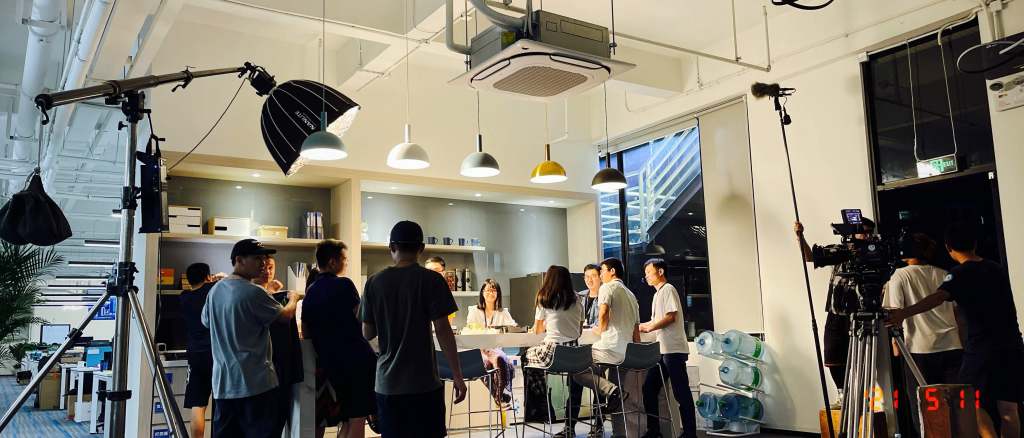
Reliable Video Fixer in China

  • A First-Time Filmmaker’s Guide to Shooting in China

    Embarking on your first filming project in China? This vast and diverse country offers a wealth of opportunities for filmmakers, but it also presents unique challenges. Here’s a comprehensive guide to help you navigate the essentials.
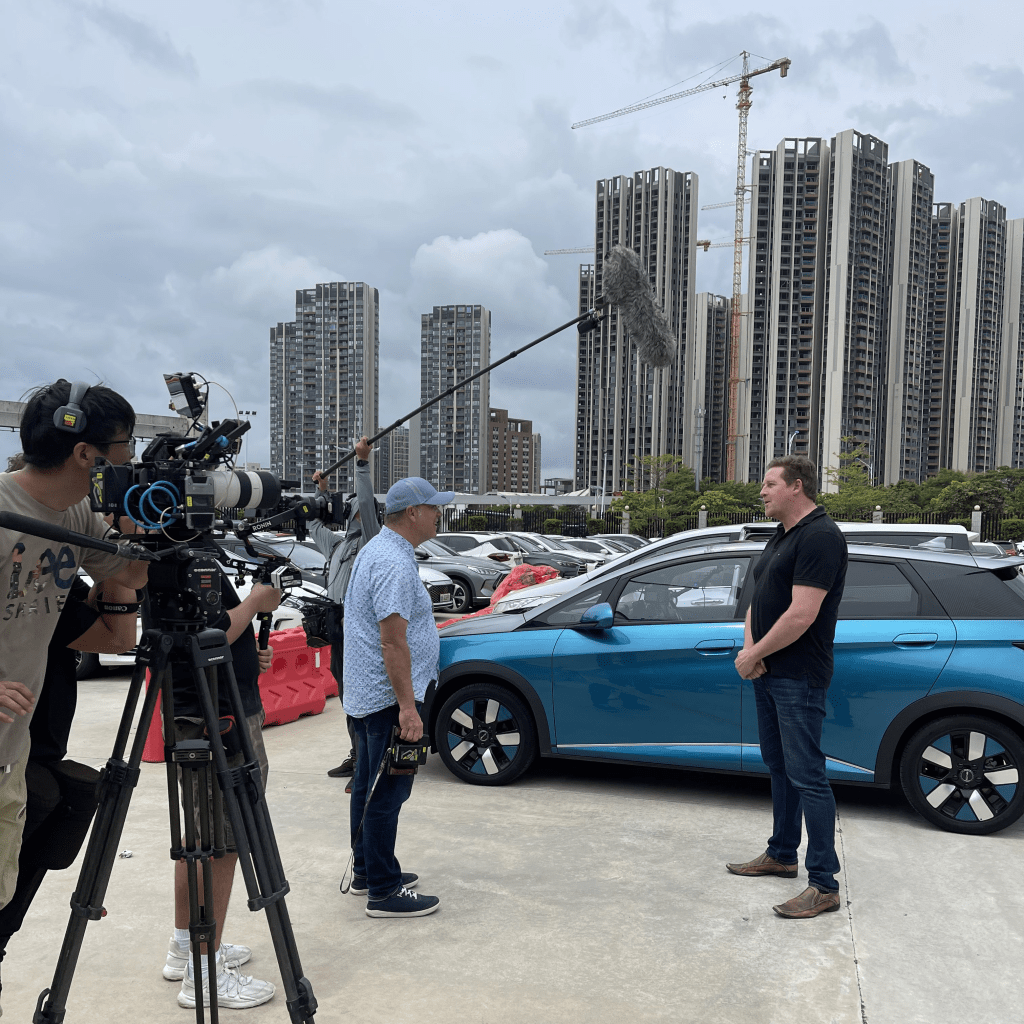

    1. Secure the Appropriate Visa and Permits

    To legally film in China, obtaining the correct visa is crucial. For journalistic or documentary projects, a J-1 (long-term) or J-2 (short-term) journalist visa is typically required. These visas necessitate an invitation letter from a Chinese organization and approval from relevant authorities. For commercial productions, a Z (work) visa might be more appropriate. It’s advisable to consult with a visa/passport service experienced in assisting film crews to navigate this process effectively.

    Additionally, all filmmakers intending to shoot feature films in China must collaborate with a Chinese host studio. The China Film Co-production Corporation (CFCC) oversees such collaborations, ensuring that projects align with national regulations.


    2. Understand Equipment Import Regulations

    Bringing filming equipment into China requires careful planning. Utilizing an ATA Carnet can facilitate the temporary importation of professional gear without paying customs duties. However, even with a carnet, customs inspections can be stringent. Some crews have experienced equipment confiscation upon arrival.

    Alternatively, consider renting equipment locally. Cities like Shanghai and Beijing have reputable rental houses offering a range of professional gear.


    3. Collaborate with Local Fixers and Production Companies

    Engaging a local fixer or production company can be invaluable. They assist with obtaining permits, navigating bureaucratic processes, and bridging language barriers. A good fixer understands both Western filmmaking expectations and Chinese cultural nuances, ensuring smoother operations on the ground.


    4. Plan for Censorship and Content Restrictions

    China maintains strict regulations on media content. Topics deemed sensitive or politically charged may face censorship. Before filming, submit scripts and project outlines to the relevant authorities for approval. Be prepared to make adjustments to align with local guidelines.


    5. Choose Optimal Filming Locations and Times

    China’s vast landscape offers diverse filming locations, from bustling urban centers to serene rural areas. Cities like Shanghai and Beijing are popular for their infrastructure and resources. When planning your shoot, consider the climate; spring and autumn are generally favorable seasons, offering mild temperatures and clear skies.


    6. Respect Local Customs and Practices

    Cultural sensitivity is paramount. Always seek permission before filming individuals or private properties. Understanding and respecting local customs will not only facilitate smoother interactions but also enrich your storytelling.


    7. Ensure Proper Licensing for All Media Assets

    All materials used in your film—music, animations, fonts, sound effects—must have appropriate global commercial licenses. Additionally, utilize internationally recognized, licensed software for editing and post-production to maintain professional standards and compliance.


    Final Thoughts

    Filming in China for the first time is an exciting endeavor that, with thorough preparation and cultural awareness, can lead to a rewarding experience. By understanding the legal requirements, collaborating with local professionals, and respecting cultural norms, your production can navigate the complexities and capture the rich narratives China has to offer.

    Get in touch

    info@pixelprocn.com

    Feel free to explore more insights below!

    Why Is Video Production in China More Challenging Than You Think?

    Multilingual Video Production Services in China

    Innovative Solutions for Remote Video Production in China

    What Type of Chinese Visa Should a Camera Crew Apply for?

    Camera / Gear Rental in China: A Briefly Overview

    Experienced Video Fixer & Production Support in Shanghai China

    Experienced Video and Photo Fixer in Suzhou China

    Experienced Fixer for Filming in Beijing China

    Experienced Video & Photo Fixer in Shenzhen China

    Experienced Video and Photo Fixer in Guangzhou China
    Leave a Reply

    Your email address will not be published. Required fields are marked *

  • Photo and Video Fixer in Tianjin

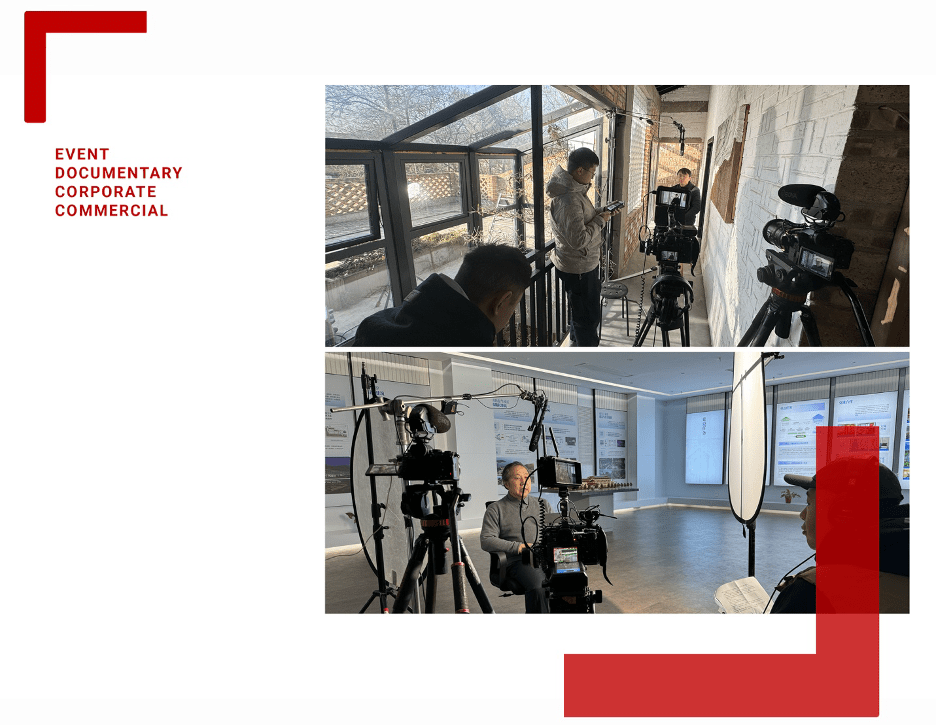
    If you are looking for a fixer in the Tianjin, China, you have come to the right place! We have a lot of experience filming in Tianjin, all across from event, documentary, corporate to commercial. We can help you with information about your travel documents, and obtain your film permits and equipment at a discount. Our Fixers will help you warm up to the locals, prepare for the weather, and tell you all the official and unofficial information to adapt the culture nuances.

    Visa for China

    Tianjin offers a 144-hour transit visa exemption for travelers from over 50 countries, making short visits convenient. If your stay in China exceeds one week, you can apply for a tourist visa. Alternatively, we can assist you in securing a J2 visa—the only legal visa for filming in China—highly recommended for shooting in public spaces.

    Film Permits in Tianjin

    Obtaining film permits in Tianjin is a well-organized process. Each local area has its own permitting rules including several different documents being required.

    Filming architecture is not copyrighted in Tianjin so filming is not subject to the same artists’ rights issues as architecture in Europe.

    As your fixer in Tianjin, we must tell you that drone filming is not allowed above ports, train stations, government offices, military bases, within 30KM of major airports.

    Special equipment renting info

    China has a great depth of suppliers offering all equipment imaginable. Highly specialized equipment is found in Shanghai, Beijing & Hong Kong.

    If you plan to bring film equipment into China, it’s important to declare it to China Customs in advance. For highly professional equipment, obtaining a J2 visa may be necessary to ensure a smooth entry into the country.

    Cultural facts

    Chinese people are generally warm and friendly towards foreigners. However, they may feel a little shy or uneasy when faced with a camera. Rest assured, our experienced fixers will guide you, ensuring that your production remains both respectful and authentic.

    Weather when filming in Tianjin

    Tianjin experiences a temperate continental monsoon climate with distinct seasons, similar to other northern Chinese cities. Here’s an overview of the annual weather:

    Winter (November-February): Cold and dry, with average temperatures ranging from -7°C (20°F) at night to 2°C (35°F) during the day in January, the coldest month. Precipitation is minimal, with occasional piercing winds​

    Spring (March-May): Pleasant but can be windy. Daytime temperatures increase steadily from around 12°C (53°F) in March to 26°C (79°F) by May. Rainfall is light to moderate, and spring is ideal for outdoor activities​

    Summer (June-August): Hot and humid, with the wettest conditions of the year. July is the hottest month, averaging 31°C (87°F) in the day and receiving up to 175 mm (6.9 inches) of rainfall, mostly from monsoons​

    Autumn (September-October): Cool and comfortable, with temperatures ranging from 16°C (61°F) to 26°C (79°F). This is one of the best times to visit, as the weather stabilizes, and natural scenery is at its peak​

    Annual precipitation is concentrated in summer, accounting for 75% of the yearly total of 550-650 mm (21-25 inches). The city’s weather is influenced by its proximity to the Bohai Sea and the East Asian monsoon, creating noticeable variations in humidity and wind patterns throughout the year

    Pixel Production China: Your Trusted Fixer for Tianjin Productions

    At Pixel Production China, we’ve spent over a decade helping international filmmakers turn their visions into reality across the dynamic landscapes of China. With our bilingual team, we bridge the gap between your creative ambitions and the rich filmmaking opportunities Tianjin has to offer.

    Here’s what we bring to the table:

    • Exceptional Location Scouting: From the city’s bustling streets to serene hidden corners, we’ll find the perfect backdrop.
    • Seamless Permit Assistance: Forget about red tape—we’ll handle all the necessary paperwork.
    • Authentic Talent Casting: Enhance your project with the ideal cast to bring your story to life.
    • Top-Tier Equipment Rental: Gain access to cutting-edge gear for a polished production.
    • Comfortable Crew Arrangements: We’ll take care of accommodations to keep your team refreshed and ready.
    • Professional Crew Assembly: From directors to lighting experts, we gather the best talent in Tianjin and beyond.
    • Post-Production Expertise: Need editing or visual effects? We’ve got you covered.
    • Round-the-Clock Support: Day or night, we’re here to tackle any challenges that come your way.

    We can help you with all the administrative stuff, in order to have you focus on the creative part of your production. Leave the film permits to us and we will have it ready and filed to be close at hand during shooting by the time you arrive. Ask us about the amounts in tax rebates that we save customers like yourself.

    Let’s Make Your Tianjin Photo or Video Project Unforgettable!

    Get in touch

    info@pixelprocn.com

    Feel free to explore more insights below!

    Why Is Video Production in China More Challenging Than You Think?

    Multilingual Video Production Services in China

    Innovative Solutions for Remote Video Production in China

    What Type of Chinese Visa Should a Camera Crew Apply for?

    Camera / Gear Rental in China: A Briefly Overview

    Experienced Video Fixer & Production Support in Shanghai China

    Experienced Video and Photo Fixer in Suzhou China

    Experienced Fixer for Filming in Beijing China

    Experienced Video & Photo Fixer in Shenzhen China

    Experienced Video and Photo Fixer in Guangzhou China
    Leave a Reply

    Your email address will not be published. Required fields are marked *

  • Video and Photo Fixer in Dongguan

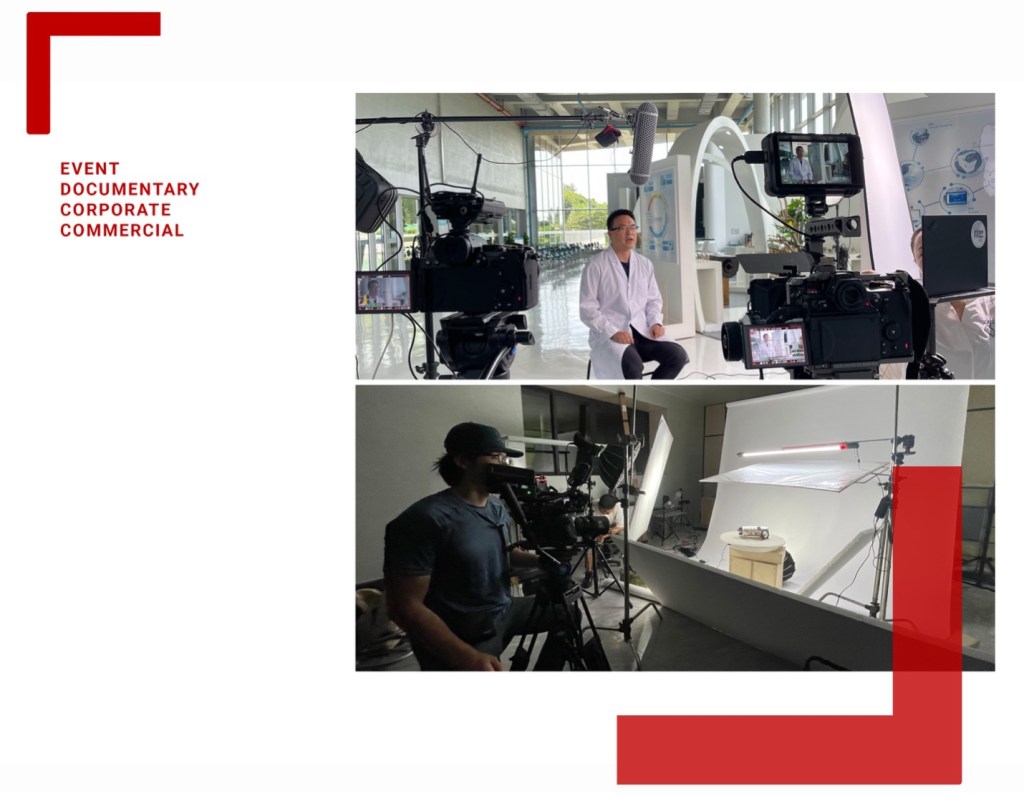
    If you are looking for a fixer in the Dongguan, China, you have come to the right place! We have a lot of experience filming in Dongguan, all across from event, documentary, corporate to commercial. We can help you with information about your travel documents, and obtain your film permits and equipment at a discount. Our Fixers will help you warm up to the locals, prepare for the weather, and tell you all the official and unofficial information to adapt the culture nuances.

    Visa for China

    Guangzhou and Shenzhen are the cities 1 hour drive from Dongguan, which provides a 144-hour transit visa exemption for travelers from over 50 countries, making short visits convenient. If your stay in China exceeds one week, you can apply for a tourist visa. Alternatively, we can help you secure a J2 visa—the only legal visa for filming in China—highly recommended for shooting in public spaces.

    Film Permits in Dongguan

    Obtaining film permits in Dongguan is a well-organized process. Each local area has its own permitting rules including several different documents being required.

    Filming architecture is not copyrighted in Dongguan so filming is not subject to the same artists’ rights issues as architecture in Europe.

    As your fixer in Dongguan, we must tell you that drone filming is not allowed above ports, train stations, government offices, military bases, within 30KM of major airports.

    Special equipment renting info

    China has a great depth of suppliers offering all equipment imaginable. Highly specialized equipment is found in Shanghai, Beijing & Hong Kong.

    If you plan to bring film equipment into China, it’s important to declare it to China Customs in advance. For highly professional equipment, obtaining a J2 visa may be necessary to ensure a smooth entry into the country.

    Cultural facts

    Chinese people are generally warm and friendly towards foreigners. However, they may feel a little shy or uneasy when faced with a camera. Rest assured, our experienced fixers will guide you, ensuring that your production remains both respectful and authentic.

    Weather when filming in Dongguan

    Dongguan, located in southern China near Guangzhou and Shenzhen, has a humid subtropical climate. It experiences warm weather year-round, with distinct wet and dry seasons. Here’s an overview of Dongguan’s weather:

    Spring (March to May): Spring in Dongguan is warm and increasingly humid, with temperatures ranging from 18°C to 26°C (64°F to 79°F). Rainfall begins to increase, especially in April and May, and occasional fog is common in the mornings. The combination of moderate temperatures and blooming vegetation makes spring a scenic time in the city.

    Summer (June to August): Summers in Dongguan are hot, humid, and rainy, with temperatures ranging from 25°C to 33°C (77°F to 91°F). The monsoon season brings heavy rainfall, frequent thunderstorms, and a possibility of typhoons, particularly in July and August. High humidity can make it feel hotter, but evening breezes may provide some relief.

    Autumn (September to November): Autumn is one of the best seasons to visit Dongguan. The weather is cooler and less humid, with temperatures ranging from 20°C to 30°C (68°F to 86°F). Rainfall decreases significantly, and the skies are often clear. This is an excellent time for outdoor activities and exploring Dongguan’s parks and cultural sites.

    Winter (December to February): Winters in Dongguan are mild and relatively dry, with temperatures ranging from 13°C to 20°C (55°F to 68°F). Snow and frost are almost unheard of, but occasional cold fronts can make it feel cooler. The weather is generally sunny, making winter a comfortable time for outdoor exploration.

    Summary: Dongguan’s climate is characterized by warm, humid summers and mild, dry winters. Spring and autumn offer the most pleasant weather for visitors, while summer is hot and rainy with potential typhoons. Winter provides a break from the humidity and is comfortable for outdoor activities.

    Pixel Production China: Your Trusted Fixer for Dongguan Productions

    At Pixel Production China, we’ve spent over a decade helping international filmmakers turn their visions into reality across the dynamic landscapes of China. With our bilingual team, we bridge the gap between your creative ambitions and the rich filmmaking opportunities Dongguan has to offer.

    Here’s what we bring to the table:

    • Exceptional Location Scouting: From the city’s bustling streets to serene hidden corners, we’ll find the perfect backdrop.
    • Seamless Permit Assistance: Forget about red tape—we’ll handle all the necessary paperwork.
    • Authentic Talent Casting: Enhance your project with the ideal cast to bring your story to life.
    • Top-Tier Equipment Rental: Gain access to cutting-edge gear for a polished production.
    • Comfortable Crew Arrangements: We’ll take care of accommodations to keep your team refreshed and ready.
    • Professional Crew Assembly: From directors to lighting experts, we gather the best talent in Dongguan and beyond.
    • Post-Production Expertise: Need editing or visual effects? We’ve got you covered.
    • Round-the-Clock Support: Day or night, we’re here to tackle any challenges that come your way.

    We can help you with all the administrative stuff, in order to have you focus on the creative part of your production. Leave the film permits to us and we will have it ready and filed to be close at hand during shooting by the time you arrive. Ask us about the amounts in tax rebates that we save customers like yourself.

    Let’s Make Your Dongguan Photo or Video Project Unforgettable!

    Get in touch

    info@pixelprocn.com

    Feel free to explore more insights below!

    Why Is Video Production in China More Challenging Than You Think?

    Multilingual Video Production Services in China

    Innovative Solutions for Remote Video Production in China

    What Type of Chinese Visa Should a Camera Crew Apply for?

    Camera / Gear Rental in China: A Briefly Overview

    Experienced Video Fixer & Production Support in Shanghai China

    Experienced Video and Photo Fixer in Suzhou China

    Experienced Fixer for Filming in Beijing China

    Experienced Video & Photo Fixer in Shenzhen China

    Experienced Video and Photo Fixer in Guangzhou China
    Leave a Reply

    Your email address will not be published. Required fields are marked *

  • Photo and Video Fixer in Qingdao

    If you are looking for a fixer in the Qingdao, China, you have come to the right place! We have a lot of experience filming in Qingdao, all across from event, documentary, corporate to commercial. We can help you with information about your travel documents, and obtain your film permits and equipment at a discount. Our Fixers will help you warm up to the locals, prepare for the weather, and tell you all the official and unofficial information to adapt the culture nuances.

    Visa for China

    Qingdao offers a 144-hour transit visa exemption for travelers from over 50 countries, making short visits convenient. If your stay in China exceeds one week, you can apply for a tourist visa. Alternatively, we can assist you in securing a J2 visa—the only legal visa for filming in China—highly recommended for shooting in public spaces.

    Film Permits in Qingdao

    Obtaining film permits in Qingdao is a well-organized process. Each local area has its own permitting rules including several different documents being required.

    Filming architecture is not copyrighted in Qingdao so filming is not subject to the same artists’ rights issues as architecture in Europe.

    As your fixer in Qingdao, we must tell you that drone filming is not allowed above ports, train stations, government offices, military bases, within 30KM of major airports.

    Special equipment renting info

    China has a great depth of suppliers offering all equipment imaginable. Highly specialized equipment is found in Shanghai, Beijing & Hong Kong.

    If you plan to bring film equipment into China, it’s important to declare it to China Customs in advance. For highly professional equipment, obtaining a J2 visa may be necessary to ensure a smooth entry into the country.

    Cultural facts

    Chinese people are generally warm and friendly towards foreigners. However, they may feel a little shy or uneasy when faced with a camera. Rest assured, our experienced fixers will guide you, ensuring that your production remains both respectful and authentic.

    Weather when filming in Qingdao

    Qingdao experiences a temperate maritime climate influenced by the Yellow Sea, resulting in distinct seasons:

    Winter (December-February): Cold and dry with temperatures averaging between -3.3°C (26°F) at night and 5.7°C (42°F) during the day. Snowfall is rare but possible, and winds from the north can make it feel colder. January is the coldest month.

    Spring (March-May): Temperatures gradually rise, starting around 2.3°C (36°F) in March and reaching 20.3°C (69°F) by May. Rainfall and fog become more frequent, with sandstorms occasionally affecting early spring.

    Summer (June-August): Warm, humid, and the rainiest season due to the monsoon. Daytime highs range from 23.7°C (75°F) in June to 28.4°C (83°F) in August, with occasional heatwaves pushing temperatures above 35°C (95°F). August is the wettest and warmest month, with high humidity making it feel hotter.

    Autumn (September-November): Gradual cooling, with temperatures falling from 25.3°C (77°F) in September to 12.3°C (54°F) in November. Rainfall decreases, and the season offers clear, mild days.

    Qingdao receives around 662 mm (26 inches) of precipitation annually, with most rainfall occurring in summer. Sunshine is moderate, peaking at about 8 hours daily in May.

    Pixel Production China: Your Trusted Fixer for Qingdao Productions

    At Pixel Production China, we’ve spent over a decade helping international filmmakers turn their visions into reality across the dynamic landscapes of China. With our bilingual team, we bridge the gap between your creative ambitions and the rich filmmaking opportunities Qingdao has to offer.

    Here’s what we bring to the table:

    • Exceptional Location Scouting: From the city’s bustling streets to serene hidden corners, we’ll find the perfect backdrop.
    • Seamless Permit Assistance: Forget about red tape—we’ll handle all the necessary paperwork.
    • Authentic Talent Casting: Enhance your project with the ideal cast to bring your story to life.
    • Top-Tier Equipment Rental: Gain access to cutting-edge gear for a polished production.
    • Comfortable Crew Arrangements: We’ll take care of accommodations to keep your team refreshed and ready.
    • Professional Crew Assembly: From directors to lighting experts, we gather the best talent in Qingdao and beyond.
    • Post-Production Expertise: Need editing or visual effects? We’ve got you covered.
    • Round-the-Clock Support: Day or night, we’re here to tackle any challenges that come your way.

    We can help you with all the administrative stuff, in order to have you focus on the creative part of your production. Leave the film permits to us and we will have it ready and filed to be close at hand during shooting by the time you arrive. Ask us about the amounts in tax rebates that we save customers like yourself.

    Let’s Make Your Qingdao Photo or Video Project Unforgettable!

    Get in touch

    info@pixelprocn.com

    Feel free to explore more insights below!

    Why Is Video Production in China More Challenging Than You Think?

    Multilingual Video Production Services in China

    Innovative Solutions for Remote Video Production in China

    What Type of Chinese Visa Should a Camera Crew Apply for?

    Camera / Gear Rental in China: A Briefly Overview

    Experienced Video Fixer & Production Support in Shanghai China

    Experienced Video and Photo Fixer in Suzhou China

    Experienced Fixer for Filming in Beijing China

    Experienced Video & Photo Fixer in Shenzhen China

    Experienced Video and Photo Fixer in Guangzhou China
    Leave a Reply

    Your email address will not be published. Required fields are marked *

  • Video and Photo Fixer in Wuxi

    If you are looking for a fixer in the Wuxi, China, you have come to the right place! We have a lot of experience filming in Wuxi, all across from event, documentary, corporate to commercial. We can help you with information about your travel documents, and obtain your film permits and equipment at a discount. Our Fixers will help you warm up to the locals, prepare for the weather, and tell you all the official and unofficial information to adapt the culture nuances.

    DOC

    Visa for China

    Most visitors choose Shanghai as their entry point. The city offers a 144-hour transit visa exemption for travelers from over 50 countries, making short visits convenient. If your stay in China exceeds one week, you can apply for a tourist visa. Alternatively, we can assist you in securing a J2 visa—the only legal visa for filming in China—highly recommended for shooting in public spaces.

    Film Permits in Wuxi

    Obtaining film permits in Wuxi is a well-organized process. Each local area has its own permitting rules including several different documents being required.

    Filming architecture is not copyrighted in Wuxi so filming is not subject to the same artists’ rights issues as architecture in Europe.

    As your fixer in Wuxi, we must tell you that drone filming is not allowed above ports, train stations, government offices, military bases, within 30KM of major airports.

    Special equipment renting info

    China has a great depth of suppliers offering all equipment imaginable. Highly specialized equipment is found in Shanghai, Beijing & Hong Kong.

    If you plan to bring film equipment into China, it’s important to declare it to China Customs in advance. For highly professional equipment, obtaining a J2 visa may be necessary to ensure a smooth entry into the country.

    Cultural facts

    Chinese people are generally warm and friendly towards foreigners. However, they may feel a little shy or uneasy when faced with a camera. Rest assured, our experienced fixers will guide you, ensuring that your production remains both respectful and authentic.

    Weather when filming in Wuxi

    Wuxi, located in eastern China near Lake Tai, has a humid subtropical climate, characterized by hot, humid summers and mild, relatively dry winters. Here’s a breakdown of the weather throughout the year:

    1. Spring (March to May):
      Spring in Wuxi is mild and comfortable, with temperatures ranging from 10°C to 20°C (50°F to 68°F). It is a lovely time to visit, as the weather is generally pleasant, with occasional rainfall. The city begins to warm up, and flowers and trees start to bloom, adding to the charm of the season.
    2. Summer (June to August):
      Summers in Wuxi are hot and humid, with temperatures often reaching 30°C to 35°C (86°F to 95°F), and the humidity can make it feel even hotter. Heavy rainfall is common, particularly during the monsoon season (June to July), leading to frequent thunderstorms and downpours.
    3. Autumn (September to November):
      Autumn is one of the best times to visit Wuxi, with mild and comfortable weather. Temperatures range from 15°C to 25°C (59°F to 77°F), and the humidity decreases, making the climate more comfortable for outdoor activities. The skies are typically clearer, and rainfall is less frequent, making it ideal for sightseeing.
    4. Winter (December to February):
      Winters in Wuxi are relatively mild compared to northern parts of China, with temperatures ranging from 3°C to 10°C (37°F to 50°F). Snow is rare, and the weather tends to be cold and damp due to high humidity. The city is typically cloudy and overcast, with occasional light rain or drizzle.

    In summary, Wuxi has a generally mild climate with distinct seasons. Spring and autumn are the most pleasant times to visit, with mild temperatures and lower humidity. Summers are hot and humid, and winters are cool and damp but not excessively cold.

    DOC

    Pixel Production China: Your Trusted Fixer for Wuxi Productions

    At Pixel Production China, we’ve spent over a decade helping international filmmakers turn their visions into reality across the dynamic landscapes of China. With our bilingual team, we bridge the gap between your creative ambitions and the rich filmmaking opportunities Wuxi has to offer.

    Here’s what we bring to the table:

    • Exceptional Location Scouting: From the city’s bustling streets to serene hidden corners, we’ll find the perfect backdrop.
    • Seamless Permit Assistance: Forget about red tape—we’ll handle all the necessary paperwork.
    • Authentic Talent Casting: Enhance your project with the ideal cast to bring your story to life.
    • Top-Tier Equipment Rental: Gain access to cutting-edge gear for a polished production.
    • Comfortable Crew Arrangements: We’ll take care of accommodations to keep your team refreshed and ready.
    • Professional Crew Assembly: From directors to lighting experts, we gather the best talent in Wuxi and beyond.
    • Post-Production Expertise: Need editing or visual effects? We’ve got you covered.
    • Round-the-Clock Support: Day or night, we’re here to tackle any challenges that come your way.

    We can help you with all the administrative stuff, in order to have you focus on the creative part of your production. Leave the film permits to us and we will have it ready and filed to be close at hand during shooting by the time you arrive. Ask us about the amounts in tax rebates that we save customers like yourself.

    Let’s Make Your Wuxi Photo or Video Project Unforgettable!

    Get in touch

    info@pixelprocn.com

    Feel free to explore more insights below!

    Why Is Video Production in China More Challenging Than You Think?

    Multilingual Video Production Services in China

    Innovative Solutions for Remote Video Production in China

    What Type of Chinese Visa Should a Camera Crew Apply for?

    Camera / Gear Rental in China: A Briefly Overview

    Experienced Video Fixer & Production Support in Shanghai China

    Experienced Video and Photo Fixer in Suzhou China

    Experienced Fixer for Filming in Beijing China

    Experienced Video & Photo Fixer in Shenzhen China

    Experienced Video and Photo Fixer in Guangzhou China
    Leave a Reply

    Your email address will not be published. Required fields are marked *

  • Video and Photo Fixer in Ningbo

    If you are looking for a fixer in the Ningbo, China, you have come to the right place! We have a lot of experience filming in Ningbo, all across from event, documentary, corporate to commercial. We can help you with information about your travel documents, and obtain your film permits and equipment at a discount. Our Fixers will help you warm up to the locals, prepare for the weather, and tell you all the official and unofficial information to adapt the culture nuances.

    Visa for China

    Ningbo offers a 144-hour transit visa exemption for travelers from over 50 countries, making short visits convenient. If your stay in China exceeds one week, you can apply for a tourist visa. Alternatively, we can assist you in securing a J2 visa—the only legal visa for filming in China—highly recommended for shooting in public spaces.

    Film Permits in Ningbo

    Obtaining film permits in Ningbo is a well-organized process. Each local area has its own permitting rules including several different documents being required.

    Filming architecture is not copyrighted in Ningbo so filming is not subject to the same artists’ rights issues as architecture in Europe.

    As your fixer in Ningbo, we must tell you that drone filming is not allowed above ports, train stations, government offices, military bases, within 30KM of major airports.

    Special equipment renting info

    China has a great depth of suppliers offering all equipment imaginable. Highly specialized equipment is found in Shanghai, Beijing & Hong Kong.

    If you plan to bring film equipment into China, it’s important to declare it to China Customs in advance. For highly professional equipment, obtaining a J2 visa may be necessary to ensure a smooth entry into the country.

    Cultural facts

    Chinese people are generally warm and friendly towards foreigners. However, they may feel a little shy or uneasy when faced with a camera. Rest assured, our experienced fixers will guide you, ensuring that your production remains both respectful and authentic.

    Weather when filming in Ningbo

    Ningbo, located in southeastern China, experiences a humid subtropical climate with distinct seasons:

    1. Spring (March to May):
      Spring in Ningbo is mild and pleasant, with temperatures ranging from 10°C to 20°C (50°F to 68°F). It’s a comfortable time to visit, as the city enjoys moderate temperatures and blooming flowers, though occasional rainfall is common.
    2. Summer (June to August):
      Summers are hot and humid, with temperatures often reaching 30°C to 35°C (86°F to 95°F) and high humidity levels. July and August are the hottest months, and there is a chance of heavy rain, sometimes accompanied by typhoons.
    3. Autumn (September to November):
      Autumn is the best time to visit Ningbo, with cooler, drier weather. Temperatures range from 15°C to 25°C (59°F to 77°F), and the skies are usually clear and sunny, making for pleasant outdoor activities.
    4. Winter (December to February):
      Winters are relatively cold, with temperatures ranging from 3°C to 10°C (37°F to 50°F). Snow is rare, but the damp, chilly air can make it feel colder than the temperature suggests. The season is typically dry, with less rainfall.

    Overall, Ningbo has a mild climate, though summer humidity can be intense. The best times to visit are during spring and autumn, when the weather is most comfortable.

    Pixel Production China: Your Trusted Fixer for Ningbo Productions

    At Pixel Production China, we’ve spent over a decade helping international filmmakers turn their visions into reality across the dynamic landscapes of China. With our bilingual team, we bridge the gap between your creative ambitions and the rich filmmaking opportunities Ningbo has to offer.

    Here’s what we bring to the table:

    • Exceptional Location Scouting: From the city’s bustling streets to serene hidden corners, we’ll find the perfect backdrop.
    • Seamless Permit Assistance: Forget about red tape—we’ll handle all the necessary paperwork.
    • Authentic Talent Casting: Enhance your project with the ideal cast to bring your story to life.
    • Top-Tier Equipment Rental: Gain access to cutting-edge gear for a polished production.
    • Comfortable Crew Arrangements: We’ll take care of accommodations to keep your team refreshed and ready.
    • Professional Crew Assembly: From directors to lighting experts, we gather the best talent in Ningbo and beyond.
    • Post-Production Expertise: Need editing or visual effects? We’ve got you covered.
    • Round-the-Clock Support: Day or night, we’re here to tackle any challenges that come your way.

    We can help you with all the administrative stuff, in order to have you focus on the creative part of your production. Leave the film permits to us and we will have it ready and filed to be close at hand during shooting by the time you arrive. Ask us about the amounts in tax rebates that we save customers like yourself.

    Let’s Make Your Ningbo Photo or Video Project Unforgettable!

    Get in touch

    info@pixelprocn.com

    Feel free to explore more insights below!

    Why Is Video Production in China More Challenging Than You Think?

    Multilingual Video Production Services in China

    Innovative Solutions for Remote Video Production in China

    What Type of Chinese Visa Should a Camera Crew Apply for?

    Camera / Gear Rental in China: A Briefly Overview

    Experienced Video Fixer & Production Support in Shanghai China

    Experienced Video and Photo Fixer in Suzhou China

    Experienced Fixer for Filming in Beijing China

    Experienced Video & Photo Fixer in Shenzhen China

    Experienced Video and Photo Fixer in Guangzhou China

    Leave a Reply

    Your email address will not be published. Required fields are marked *

  • Fixing in China vs. Other Asian Countries: Key Differences

    Introduction

    Asia is home to some of the world’s most diverse and visually stunning filming locations. However, filming in different Asian countries comes with varying levels of bureaucratic complexity, costs, and logistical challenges. Among these, China stands out with its strict regulations and controlled media environment, making fixing in China vastly different from other regional counterparts such as Japan, Thailand, India, and Vietnam. This article explores the key differences between fixing in China and other Asian countries to help production teams plan effectively.

    1. Film Permits & Government Regulations

    China: Highly Regulated and Bureaucratic

    • Foreign production companies require a local co-producer or fixer to apply for film permits.
    • Film content is heavily censored, especially if it involves political, military, or socially sensitive topics.
    • Permits for drone use, street interviews, and specific historical or religious sites require additional approval from multiple government agencies.
    • Certain regions, such as Tibet and Xinjiang, have extra layers of restrictions and require special government authorization.

    Other Asian Countries: More Flexible Regulations

    • Japan & South Korea: While permits are required for public spaces, the process is often more transparent and less restrictive than in China. Sensitive topics are less of an issue unless they involve defamation or national security concerns.
    • Thailand & Vietnam: These countries actively encourage foreign productions. Thailand, in particular, has a well-established Film Board that facilitates permit acquisition. Vietnam requires government review of scripts, but the process is faster than in China.
    • India: Filming in India requires a permit from the Ministry of Information and Broadcasting, but approval is generally easier unless the content touches on political or religious sensitivities.

    2. Cost of Fixing & Production Support

    China: High Costs, Limited Foreign Independence

    • Production costs in China can be high, especially in major cities like Beijing, Shanghai, and Shenzhen.
    • A government-approved Chinese production partner is mandatory for most foreign shoots, limiting independence.
    • Equipment rental is available but may be more expensive than in Southeast Asia.

    Other Asian Countries: More Cost-Effective & Foreign-Friendly

    • Thailand & Vietnam: Known for being budget-friendly, these countries offer competitive prices for production crews, equipment, and locations. Many international films and commercials choose Thailand due to its film-friendly policies and cost efficiency.
    • India: Equipment and labor costs are relatively low, making it a top choice for cost-conscious productions.
    • Japan & South Korea: Costs are generally higher than in Southeast Asia but lower than in China. They have world-class equipment rental services, and crews are known for their technical expertise.

    3. Location Access & Diversity

    China: Strictly Controlled but Unique Locations

    • China offers a vast range of filming locations, from ancient landmarks like the Great Wall to futuristic cityscapes.
    • Some locations, especially historical and religious sites, require government approval and a local monitor on set.
    • Access to certain regions, like Tibet and border areas, is tightly controlled and may require months of prior negotiation.

    Other Asian Countries: More Accessible Locations

    • Thailand & Vietnam: Both countries are extremely film-friendly with minimal restrictions on public locations. Thailand’s exotic beaches and Vietnam’s colonial-era cities make them attractive for filmmakers.
    • Japan & South Korea: Urban settings like Tokyo and Seoul are easy to access, but historical and religious sites may require special permissions and fees.
    • India: While generally accessible, large-scale productions in crowded cities like Mumbai or Delhi require heavy logistical planning.

    4. Language Barriers & Local Support

    China: Essential to Have a Fixer for Communication

    • English proficiency is limited outside major cities, making a bilingual fixer essential.
    • Government documentation and permits are typically in Mandarin only, requiring a local partner for processing.

    Other Asian Countries: Varies by Region

    • Japan & South Korea: English is not widely spoken, but professional fixers are available.
    • Thailand & Vietnam: English is more commonly spoken within the film industry, and local fixers are adept at handling foreign productions.
    • India: English is widely spoken, making coordination much easier compared to China.

    5. Censorship & Content Restrictions

    China: One of the Most Censored Filming Environments

    • Topics related to politics, human rights, protests, LGBTQ+ issues, and supernatural elements can be banned or require heavy modification.
    • The final cut may need government approval before it can be screened or distributed in China.
    • Even advertisements and corporate videos are sometimes subject to review.

    Other Asian Countries: Fewer Restrictions

    • Thailand & Vietnam: Generally lenient, though content critical of the government may be flagged.
    • Japan & South Korea: Censorship is minimal, except for defamation laws.
    • India: Restrictions mostly apply to religious and politically sensitive topics.

    Conclusion

    Fixing in China presents a unique set of challenges due to strict government regulations, high costs, censorship policies, and logistical hurdles. In contrast, countries like Thailand, Vietnam, and India are generally more accessible and cost-effective for international productions, while Japan and South Korea offer highly professional crews and cutting-edge technology with fewer bureaucratic barriers.

    For production teams considering filming in Asia, understanding these differences is key to making the right location choice. If China is your destination, partnering with an experienced China video fixer is essential to navigating the complex film industry landscape and ensuring a successful shoot.

    Feel free to explore more insights below!

    Why Is Video Production in China More Challenging Than You Think?

    Multilingual Video Production Services in China

    Innovative Solutions for Remote Video Production in China

    What Type of Chinese Visa Should a Camera Crew Apply for?

    Camera / Gear Rental in China: A Briefly Overview

    Experienced Video Fixer & Production Support in Shanghai China

    Experienced Video and Photo Fixer in Suzhou China

    Experienced Fixer for Filming in Beijing China

    Experienced Video & Photo Fixer in Shenzhen China

    Experienced Video and Photo Fixer in Guangzhou China

    Leave a Reply

    Your email address will not be published. Required fields are marked *

  • Navigating Censorship: What You Can and Can’t Film in China

    Introduction

    Filming in China offers incredible opportunities, but it also comes with strict regulations and censorship laws that international filmmakers must navigate. Understanding what you can and can’t film is essential to ensure your production runs smoothly and avoids legal or political complications. This guide will help you understand China’s censorship policies and how to work within them while maintaining your creative vision.

    Understanding China’s Censorship Policies

    China’s government tightly controls media content to ensure it aligns with the country’s political, cultural, and social values. The National Radio and Television Administration (NRTA) and other regulatory bodies oversee all media production, enforcing guidelines that affect both domestic and foreign filmmakers.

    The core principles of censorship in China focus on avoiding content that:

    • Criticizes the Chinese government or Communist Party.
    • Promotes politically sensitive topics such as Taiwan, Tibet, Hong Kong protests, or Xinjiang issues.
    • Contains excessive violence, horror, or supernatural themes.
    • Shows nudity, explicit sexual content, or LGBTQ+ themes deemed inappropriate by regulators.
    • Depicts Chinese society, culture, or history in a negative light.
    • Includes religious material that conflicts with state policies.
    • Highlights crime, corruption, or rebellion without clear moral resolution.

    Understanding these guidelines is crucial before planning a shoot in China.

    What You Can Film in China

    While there are strict rules, China still offers a wealth of visually stunning and culturally rich locations for filmmakers. You can successfully shoot content that:

    1. Showcases China’s Cultural Heritage

    China is home to thousands of years of history, with breathtaking ancient temples, palaces, and landscapes that are perfect for cultural documentaries and historical storytelling.

    2. Features Modern China’s Development

    China’s rapid urbanization and technological advancements make for compelling content. Subjects such as smart cities, infrastructure, and economic growth are widely accepted.

    3. Promotes Tourism and Natural Scenery

    China boasts diverse landscapes, from the Great Wall to the karst mountains of Guilin and the futuristic skyline of Shanghai. Travel and tourism content is generally encouraged.

    4. Covers Business and Innovation

    As a global economic powerhouse, China is a great location to film content about technology, industry, and commerce, especially when highlighting positive aspects of growth and entrepreneurship.

    What You Can’t Film in China

    While there’s a lot you can capture, certain topics and locations require extreme caution or are outright restricted:

    1. Sensitive Political Topics

    Avoid filming protests, government buildings, or politically charged subjects such as human rights, democracy movements, or ethnic conflicts.

    2. Military Installations and Security Zones

    Military bases, government offices, and critical infrastructure are off-limits without explicit permission. Unauthorized filming in these areas can result in severe penalties.

    3. Religious and Ethnic Minority Issues

    Filming in areas like Tibet and Xinjiang requires special permits, and content that touches on religious practices or ethnic tensions is highly scrutinized.

    4. Candid Street Interviews on Political Issues

    Asking citizens about government policies, leadership, or social issues can lead to trouble for both the crew and interviewees. Such content is often censored or prohibited.

    5. Supernatural and Horror Content

    Chinese censors discourage content featuring ghosts, spirits, or excessive horror, as these themes are considered culturally sensitive.

    How to Secure Filming Permits and Avoid Issues

    To stay compliant while filming in China, work with a local fixer or production service to navigate permits, location access, and regulations. Key steps include:

    • Apply for the necessary film permits through the China Film Administration or local authorities.
    • Hire a reputable local fixer who understands regulatory requirements.
    • Avoid unauthorized drone usage, which requires special approval.
    • Plan for script and content reviews, as some productions may need pre-approval.
    • Be mindful of how your footage will be perceived, ensuring it aligns with Chinese cultural and political sensitivities.

    Conclusion

    Filming in China is a rewarding experience, but understanding and respecting censorship laws is crucial for a successful production. By focusing on permitted content, securing the right approvals, and working with experienced local professionals, international filmmakers can tell compelling stories while staying compliant. If you’re planning a shoot in China, having an experienced fixer can make all the difference in navigating these complexities smoothly.

    Feel free to explore more insights below!

    Why Is Video Production in China More Challenging Than You Think?

    Multilingual Video Production Services in China

    Innovative Solutions for Remote Video Production in China

    What Type of Chinese Visa Should a Camera Crew Apply for?

    Camera / Gear Rental in China: A Briefly Overview

    Experienced Video Fixer & Production Support in Shanghai China

    Experienced Video and Photo Fixer in Suzhou China

    Experienced Fixer for Filming in Beijing China

    Experienced Video & Photo Fixer in Shenzhen China

    Experienced Video and Photo Fixer in Guangzhou China

    Leave a Reply

    Your email address will not be published. Required fields are marked *

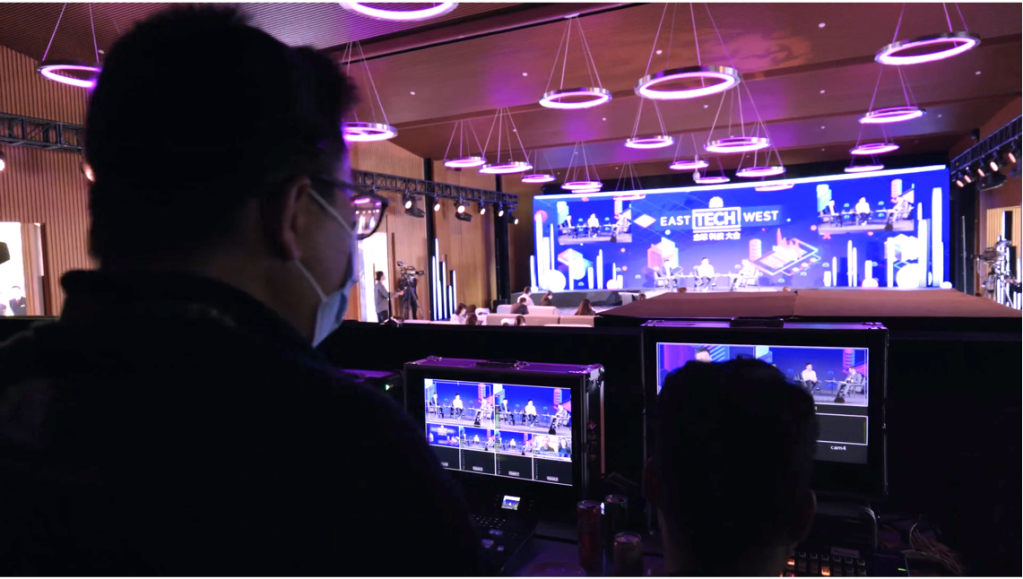
  • Capture Every Moment: Event Photo, Video & Live Streaming Solutions

    From intimate gatherings to large-scale productions, we offer comprehensive event photography, videography, and live streaming services tailored to your needs. Whether you require a one-man band setup for quick and agile coverage or a multi-camera, fully equipped crew for a polished broadcast, we’ve got you covered.

    🎥 Video Production: High-quality event coverage with cinematic visuals, dynamic editing, and engaging storytelling.

    📸 Event Photography: Stunning images that capture the energy, atmosphere, and key moments of your event.

    🔴 Live Streaming: Seamless real-time broadcasting across multiple platforms, ensuring your audience stays connected no matter where they are.

    With years of experience in corporate events, conferences, product launches, and brand activations, we guarantee professional execution, smooth logistics, and content that stands out.

    Let’s bring your event to life! Contact us today to discuss your project. 🚀

    CNBC, East Tech West 2020
    TSMC CHINA Technology Symposium 2024
    Xpeng Motor Global Media Tour, 2024
    Hafania Naming Ceremony, 2025
    Philip Cox China Exhibition, 2021
    Saudi Arab – China Audit Conference, 2024

    Feel free to explore more insights below!

    Why Is Video Production in China More Challenging Than You Think?

    Multilingual Video Production Services in China

    Innovative Solutions for Remote Video Production in China

    What Type of Chinese Visa Should a Camera Crew Apply for?

    Camera / Gear Rental in China: A Briefly Overview

    Experienced Video Fixer & Production Support in Shanghai China

    Experienced Video and Photo Fixer in Suzhou China

    Experienced Fixer for Filming in Beijing China

    Experienced Video & Photo Fixer in Shenzhen China

    Experienced Video and Photo Fixer in Guangzhou China
    Leave a Reply

    Your email address will not be published. Required fields are marked *

  • China Video Fixers: What They Do and Why You Need One?

    Introduction

    Filming in China presents unique opportunities and challenges for international production teams. From navigating strict filming regulations to securing the right locations and logistics, working in China requires expert local knowledge. This is where a China video fixer becomes invaluable. But what exactly does a video fixer do, and why should you hire one for your next project in China?

    a Commercial Project for Audi A6 All Road

    What is a China Video Fixer?

    A video fixer is a local production expert who facilitates and streamlines the entire filming process. They serve as a bridge between foreign crews and the complex Chinese filming landscape. Their responsibilities range from securing film permits and scouting locations to arranging transportation, hiring local crew, and ensuring smooth on-set operations. Essentially, a fixer makes your production possible by handling the logistical and bureaucratic hurdles that come with shooting in China.

    Why Do You Need a Video Fixer in China?

    China has strict regulations regarding foreign productions, and the lack of a reliable fixer can lead to costly delays or even shutdowns. Here’s why a China video fixer is essential:

    1. Navigating Film Permits & Regulations

    One of the biggest challenges for international productions in China is obtaining the necessary permits. Unlike in some Western countries where filming permits can be obtained online or through simple applications, China’s permit process can be complex and requires government approvals, location-specific permissions, and sometimes local police notification. A seasoned fixer will ensure all paperwork is in place and help you avoid legal trouble.

    2. Location Scouting & Access

    From the futuristic skyline of Shanghai to the ancient alleys of Beijing, China offers diverse filming locations. However, securing access to these sites can be tricky, as many locations require government or private approvals. A fixer will scout locations, negotiate permissions, and even suggest hidden gems that match your creative vision.

    3. Hiring Local Crew & Talent

    While you may bring key members of your crew from abroad, hiring local talent is often necessary due to budget constraints and regulations. A fixer can connect you with skilled cinematographers, sound technicians, drone operators, and actors, ensuring you get the best team for your project.

    4. Equipment Rental & Customs Clearance

    Bringing your own film equipment into China requires a temporary import license (ATA Carnet), which can be time-consuming and expensive. Instead, a fixer can arrange high-quality equipment rentals from trusted local vendors, saving you the hassle of dealing with customs and ensuring you have everything you need on set.

    5. Language & Cultural Mediation

    Even if your crew speaks some Mandarin, cultural nuances and business etiquette in China can be difficult to navigate. A fixer acts as a translator and cultural mediator, ensuring clear communication between your team and local authorities, vendors, and crew members.

    6. Logistical Support: Transport & Accommodation

    Getting around China can be challenging, especially if you’re filming in remote locations. A fixer will arrange transportation, book accommodations, and ensure smooth logistics, allowing your crew to focus on production rather than travel arrangements.

    7. Crisis Management & Troubleshooting

    Unexpected challenges—such as last-minute location changes, weather disruptions, or regulatory issues—can derail a production. An experienced fixer knows how to problem-solve quickly and find alternative solutions to keep the shoot on track.

    a Corporate Project for Xpeng Motors Branding

    How to Find the Right Video Fixer in China?

    Finding a trustworthy fixer is crucial to a successful shoot. Here are some tips:

    • Look for industry experience – Choose a fixer with a proven track record in handling international productions.
    • Check past client reviews – Ask for references or look at testimonials from previous production teams.
    • Ensure they have strong local connections – A good fixer should have well-established relationships with government offices, film studios, and rental houses.
    • Ask about language skills – A bilingual fixer fluent in English and Mandarin is essential for smooth communication.

    Conclusion

    Whether you’re filming a corporate video, a documentary, or a commercial, a China video fixer is your key to a seamless production experience. From handling bureaucratic red tape to ensuring on-the-ground logistics, their expertise allows you to focus on creating great content without unnecessary delays or complications. If you’re planning a shoot in China, hiring a reliable video fixer is one of the smartest investments you can make.

    Feel free to explore more insights below!

    Why Is Video Production in China More Challenging Than You Think?

    Multilingual Video Production Services in China

    Innovative Solutions for Remote Video Production in China

    What Type of Chinese Visa Should a Camera Crew Apply for?

    Camera / Gear Rental in China: A Briefly Overview

    Experienced Video Fixer & Production Support in Shanghai China

    Experienced Video and Photo Fixer in Suzhou China

    Experienced Fixer for Filming in Beijing China

    Experienced Video & Photo Fixer in Shenzhen China

    Experienced Video and Photo Fixer in Guangzhou China
    Leave a Reply

    Your email address will not be published. Required fields are marked *