Tag: China Video Fixer

  • Fixing in China vs. Other Asian Countries: Key Differences

    Introduction

    Asia is home to some of the world’s most diverse and visually stunning filming locations. However, filming in different Asian countries comes with varying levels of bureaucratic complexity, costs, and logistical challenges. Among these, China stands out with its strict regulations and controlled media environment, making fixing in China vastly different from other regional counterparts such as Japan, Thailand, India, and Vietnam. This article explores the key differences between fixing in China and other Asian countries to help production teams plan effectively.

    1. Film Permits & Government Regulations

    China: Highly Regulated and Bureaucratic

    • Foreign production companies require a local co-producer or fixer to apply for film permits.
    • Film content is heavily censored, especially if it involves political, military, or socially sensitive topics.
    • Permits for drone use, street interviews, and specific historical or religious sites require additional approval from multiple government agencies.
    • Certain regions, such as Tibet and Xinjiang, have extra layers of restrictions and require special government authorization.

    Other Asian Countries: More Flexible Regulations

    • Japan & South Korea: While permits are required for public spaces, the process is often more transparent and less restrictive than in China. Sensitive topics are less of an issue unless they involve defamation or national security concerns.
    • Thailand & Vietnam: These countries actively encourage foreign productions. Thailand, in particular, has a well-established Film Board that facilitates permit acquisition. Vietnam requires government review of scripts, but the process is faster than in China.
    • India: Filming in India requires a permit from the Ministry of Information and Broadcasting, but approval is generally easier unless the content touches on political or religious sensitivities.

    2. Cost of Fixing & Production Support

    China: High Costs, Limited Foreign Independence

    • Production costs in China can be high, especially in major cities like Beijing, Shanghai, and Shenzhen.
    • A government-approved Chinese production partner is mandatory for most foreign shoots, limiting independence.
    • Equipment rental is available but may be more expensive than in Southeast Asia.

    Other Asian Countries: More Cost-Effective & Foreign-Friendly

    • Thailand & Vietnam: Known for being budget-friendly, these countries offer competitive prices for production crews, equipment, and locations. Many international films and commercials choose Thailand due to its film-friendly policies and cost efficiency.
    • India: Equipment and labor costs are relatively low, making it a top choice for cost-conscious productions.
    • Japan & South Korea: Costs are generally higher than in Southeast Asia but lower than in China. They have world-class equipment rental services, and crews are known for their technical expertise.

    3. Location Access & Diversity

    China: Strictly Controlled but Unique Locations

    • China offers a vast range of filming locations, from ancient landmarks like the Great Wall to futuristic cityscapes.
    • Some locations, especially historical and religious sites, require government approval and a local monitor on set.
    • Access to certain regions, like Tibet and border areas, is tightly controlled and may require months of prior negotiation.

    Other Asian Countries: More Accessible Locations

    • Thailand & Vietnam: Both countries are extremely film-friendly with minimal restrictions on public locations. Thailand’s exotic beaches and Vietnam’s colonial-era cities make them attractive for filmmakers.
    • Japan & South Korea: Urban settings like Tokyo and Seoul are easy to access, but historical and religious sites may require special permissions and fees.
    • India: While generally accessible, large-scale productions in crowded cities like Mumbai or Delhi require heavy logistical planning.

    4. Language Barriers & Local Support

    China: Essential to Have a Fixer for Communication

    • English proficiency is limited outside major cities, making a bilingual fixer essential.
    • Government documentation and permits are typically in Mandarin only, requiring a local partner for processing.

    Other Asian Countries: Varies by Region

    • Japan & South Korea: English is not widely spoken, but professional fixers are available.
    • Thailand & Vietnam: English is more commonly spoken within the film industry, and local fixers are adept at handling foreign productions.
    • India: English is widely spoken, making coordination much easier compared to China.

    5. Censorship & Content Restrictions

    China: One of the Most Censored Filming Environments

    • Topics related to politics, human rights, protests, LGBTQ+ issues, and supernatural elements can be banned or require heavy modification.
    • The final cut may need government approval before it can be screened or distributed in China.
    • Even advertisements and corporate videos are sometimes subject to review.

    Other Asian Countries: Fewer Restrictions

    • Thailand & Vietnam: Generally lenient, though content critical of the government may be flagged.
    • Japan & South Korea: Censorship is minimal, except for defamation laws.
    • India: Restrictions mostly apply to religious and politically sensitive topics.

    Conclusion

    Fixing in China presents a unique set of challenges due to strict government regulations, high costs, censorship policies, and logistical hurdles. In contrast, countries like Thailand, Vietnam, and India are generally more accessible and cost-effective for international productions, while Japan and South Korea offer highly professional crews and cutting-edge technology with fewer bureaucratic barriers.

    For production teams considering filming in Asia, understanding these differences is key to making the right location choice. If China is your destination, partnering with an experienced China video fixer is essential to navigating the complex film industry landscape and ensuring a successful shoot.

    Feel free to explore more insights below!

    Why Is Video Production in China More Challenging Than You Think?

    Multilingual Video Production Services in China

    Innovative Solutions for Remote Video Production in China

    What Type of Chinese Visa Should a Camera Crew Apply for?

    Camera / Gear Rental in China: A Briefly Overview

    Experienced Video Fixer & Production Support in Shanghai China

    Experienced Video and Photo Fixer in Suzhou China

    Experienced Fixer for Filming in Beijing China

    Experienced Video & Photo Fixer in Shenzhen China

    Experienced Video and Photo Fixer in Guangzhou China

    Leave a Reply

    Your email address will not be published. Required fields are marked *

  • Navigating Censorship: What You Can and Can’t Film in China

    Introduction

    Filming in China offers incredible opportunities, but it also comes with strict regulations and censorship laws that international filmmakers must navigate. Understanding what you can and can’t film is essential to ensure your production runs smoothly and avoids legal or political complications. This guide will help you understand China’s censorship policies and how to work within them while maintaining your creative vision.

    Understanding China’s Censorship Policies

    China’s government tightly controls media content to ensure it aligns with the country’s political, cultural, and social values. The National Radio and Television Administration (NRTA) and other regulatory bodies oversee all media production, enforcing guidelines that affect both domestic and foreign filmmakers.

    The core principles of censorship in China focus on avoiding content that:

    • Criticizes the Chinese government or Communist Party.
    • Promotes politically sensitive topics such as Taiwan, Tibet, Hong Kong protests, or Xinjiang issues.
    • Contains excessive violence, horror, or supernatural themes.
    • Shows nudity, explicit sexual content, or LGBTQ+ themes deemed inappropriate by regulators.
    • Depicts Chinese society, culture, or history in a negative light.
    • Includes religious material that conflicts with state policies.
    • Highlights crime, corruption, or rebellion without clear moral resolution.

    Understanding these guidelines is crucial before planning a shoot in China.

    What You Can Film in China

    While there are strict rules, China still offers a wealth of visually stunning and culturally rich locations for filmmakers. You can successfully shoot content that:

    1. Showcases China’s Cultural Heritage

    China is home to thousands of years of history, with breathtaking ancient temples, palaces, and landscapes that are perfect for cultural documentaries and historical storytelling.

    2. Features Modern China’s Development

    China’s rapid urbanization and technological advancements make for compelling content. Subjects such as smart cities, infrastructure, and economic growth are widely accepted.

    3. Promotes Tourism and Natural Scenery

    China boasts diverse landscapes, from the Great Wall to the karst mountains of Guilin and the futuristic skyline of Shanghai. Travel and tourism content is generally encouraged.

    4. Covers Business and Innovation

    As a global economic powerhouse, China is a great location to film content about technology, industry, and commerce, especially when highlighting positive aspects of growth and entrepreneurship.

    What You Can’t Film in China

    While there’s a lot you can capture, certain topics and locations require extreme caution or are outright restricted:

    1. Sensitive Political Topics

    Avoid filming protests, government buildings, or politically charged subjects such as human rights, democracy movements, or ethnic conflicts.

    2. Military Installations and Security Zones

    Military bases, government offices, and critical infrastructure are off-limits without explicit permission. Unauthorized filming in these areas can result in severe penalties.

    3. Religious and Ethnic Minority Issues

    Filming in areas like Tibet and Xinjiang requires special permits, and content that touches on religious practices or ethnic tensions is highly scrutinized.

    4. Candid Street Interviews on Political Issues

    Asking citizens about government policies, leadership, or social issues can lead to trouble for both the crew and interviewees. Such content is often censored or prohibited.

    5. Supernatural and Horror Content

    Chinese censors discourage content featuring ghosts, spirits, or excessive horror, as these themes are considered culturally sensitive.

    How to Secure Filming Permits and Avoid Issues

    To stay compliant while filming in China, work with a local fixer or production service to navigate permits, location access, and regulations. Key steps include:

    • Apply for the necessary film permits through the China Film Administration or local authorities.
    • Hire a reputable local fixer who understands regulatory requirements.
    • Avoid unauthorized drone usage, which requires special approval.
    • Plan for script and content reviews, as some productions may need pre-approval.
    • Be mindful of how your footage will be perceived, ensuring it aligns with Chinese cultural and political sensitivities.

    Conclusion

    Filming in China is a rewarding experience, but understanding and respecting censorship laws is crucial for a successful production. By focusing on permitted content, securing the right approvals, and working with experienced local professionals, international filmmakers can tell compelling stories while staying compliant. If you’re planning a shoot in China, having an experienced fixer can make all the difference in navigating these complexities smoothly.

    Feel free to explore more insights below!

    Why Is Video Production in China More Challenging Than You Think?

    Multilingual Video Production Services in China

    Innovative Solutions for Remote Video Production in China

    What Type of Chinese Visa Should a Camera Crew Apply for?

    Camera / Gear Rental in China: A Briefly Overview

    Experienced Video Fixer & Production Support in Shanghai China

    Experienced Video and Photo Fixer in Suzhou China

    Experienced Fixer for Filming in Beijing China

    Experienced Video & Photo Fixer in Shenzhen China

    Experienced Video and Photo Fixer in Guangzhou China
    Leave a Reply

    Your email address will not be published. Required fields are marked *

  • Capture Every Moment: Event Photo, Video & Live Streaming Solutions

    From intimate gatherings to large-scale productions, we offer comprehensive event photography, videography, and live streaming services tailored to your needs. Whether you require a one-man band setup for quick and agile coverage or a multi-camera, fully equipped crew for a polished broadcast, we’ve got you covered.

    🎥 Video Production: High-quality event coverage with cinematic visuals, dynamic editing, and engaging storytelling.

    📸 Event Photography: Stunning images that capture the energy, atmosphere, and key moments of your event.

    🔴 Live Streaming: Seamless real-time broadcasting across multiple platforms, ensuring your audience stays connected no matter where they are.

    With years of experience in corporate events, conferences, product launches, and brand activations, we guarantee professional execution, smooth logistics, and content that stands out.

    Let’s bring your event to life! Contact us today to discuss your project. 🚀

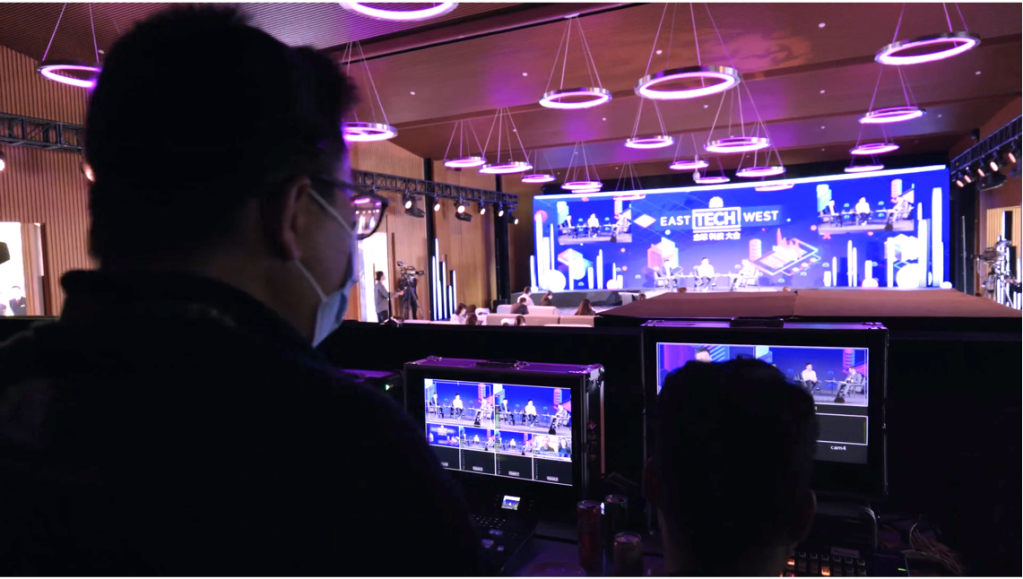
    CNBC, East Tech West 2020
    TSMC CHINA Technology Symposium 2024
    Xpeng Motor Global Media Tour, 2024
    Hafania Naming Ceremony, 2025
    Philip Cox China Exhibition, 2021
    Saudi Arab – China Audit Conference, 2024

    Feel free to explore more insights below!

    Why Is Video Production in China More Challenging Than You Think?

    Multilingual Video Production Services in China

    Innovative Solutions for Remote Video Production in China

    What Type of Chinese Visa Should a Camera Crew Apply for?

    Camera / Gear Rental in China: A Briefly Overview

    Experienced Video Fixer & Production Support in Shanghai China

    Experienced Video and Photo Fixer in Suzhou China

    Experienced Fixer for Filming in Beijing China

    Experienced Video & Photo Fixer in Shenzhen China

    Experienced Video and Photo Fixer in Guangzhou China
    Leave a Reply

    Your email address will not be published. Required fields are marked *

  • China Video Fixers: What They Do and Why You Need One?

    Introduction

    Filming in China presents unique opportunities and challenges for international production teams. From navigating strict filming regulations to securing the right locations and logistics, working in China requires expert local knowledge. This is where a China video fixer becomes invaluable. But what exactly does a video fixer do, and why should you hire one for your next project in China?

    a Commercial Project for Audi A6 All Road

    What is a China Video Fixer?

    A video fixer is a local production expert who facilitates and streamlines the entire filming process. They serve as a bridge between foreign crews and the complex Chinese filming landscape. Their responsibilities range from securing film permits and scouting locations to arranging transportation, hiring local crew, and ensuring smooth on-set operations. Essentially, a fixer makes your production possible by handling the logistical and bureaucratic hurdles that come with shooting in China.

    Why Do You Need a Video Fixer in China?

    China has strict regulations regarding foreign productions, and the lack of a reliable fixer can lead to costly delays or even shutdowns. Here’s why a China video fixer is essential:

    1. Navigating Film Permits & Regulations

    One of the biggest challenges for international productions in China is obtaining the necessary permits. Unlike in some Western countries where filming permits can be obtained online or through simple applications, China’s permit process can be complex and requires government approvals, location-specific permissions, and sometimes local police notification. A seasoned fixer will ensure all paperwork is in place and help you avoid legal trouble.

    2. Location Scouting & Access

    From the futuristic skyline of Shanghai to the ancient alleys of Beijing, China offers diverse filming locations. However, securing access to these sites can be tricky, as many locations require government or private approvals. A fixer will scout locations, negotiate permissions, and even suggest hidden gems that match your creative vision.

    3. Hiring Local Crew & Talent

    While you may bring key members of your crew from abroad, hiring local talent is often necessary due to budget constraints and regulations. A fixer can connect you with skilled cinematographers, sound technicians, drone operators, and actors, ensuring you get the best team for your project.

    4. Equipment Rental & Customs Clearance

    Bringing your own film equipment into China requires a temporary import license (ATA Carnet), which can be time-consuming and expensive. Instead, a fixer can arrange high-quality equipment rentals from trusted local vendors, saving you the hassle of dealing with customs and ensuring you have everything you need on set.

    5. Language & Cultural Mediation

    Even if your crew speaks some Mandarin, cultural nuances and business etiquette in China can be difficult to navigate. A fixer acts as a translator and cultural mediator, ensuring clear communication between your team and local authorities, vendors, and crew members.

    6. Logistical Support: Transport & Accommodation

    Getting around China can be challenging, especially if you’re filming in remote locations. A fixer will arrange transportation, book accommodations, and ensure smooth logistics, allowing your crew to focus on production rather than travel arrangements.

    7. Crisis Management & Troubleshooting

    Unexpected challenges—such as last-minute location changes, weather disruptions, or regulatory issues—can derail a production. An experienced fixer knows how to problem-solve quickly and find alternative solutions to keep the shoot on track.

    a Corporate Project for Xpeng Motors Branding

    How to Find the Right Video Fixer in China?

    Finding a trustworthy fixer is crucial to a successful shoot. Here are some tips:

    • Look for industry experience – Choose a fixer with a proven track record in handling international productions.
    • Check past client reviews – Ask for references or look at testimonials from previous production teams.
    • Ensure they have strong local connections – A good fixer should have well-established relationships with government offices, film studios, and rental houses.
    • Ask about language skills – A bilingual fixer fluent in English and Mandarin is essential for smooth communication.

    Conclusion

    Whether you’re filming a corporate video, a documentary, or a commercial, a China video fixer is your key to a seamless production experience. From handling bureaucratic red tape to ensuring on-the-ground logistics, their expertise allows you to focus on creating great content without unnecessary delays or complications. If you’re planning a shoot in China, hiring a reliable video fixer is one of the smartest investments you can make.

    Feel free to explore more insights below!

    Why Is Video Production in China More Challenging Than You Think?

    Multilingual Video Production Services in China

    Innovative Solutions for Remote Video Production in China

    What Type of Chinese Visa Should a Camera Crew Apply for?

    Camera / Gear Rental in China: A Briefly Overview

    Experienced Video Fixer & Production Support in Shanghai China

    Experienced Video and Photo Fixer in Suzhou China

    Experienced Fixer for Filming in Beijing China

    Experienced Video & Photo Fixer in Shenzhen China

    Experienced Video and Photo Fixer in Guangzhou China
    Leave a Reply

    Your email address will not be published. Required fields are marked *

  • Chinese Brand Films vs. Western Brand Films: Key Differences

    Brand films are a powerful storytelling tool that companies use to connect with audiences. However, the approach to brand filmmaking differs significantly between China and the West due to cultural values, market dynamics, and audience expectations. Here’s a breakdown of the key differences:

    Xpeng Motor Brand Film

    1. Storytelling Approach

    • Chinese Brand Films: Often emphasize emotional storytelling, family values, and societal harmony. The narrative tends to be indirect, poetic, and sometimes philosophical, aiming to evoke deep emotions and a sense of national or cultural pride.
    • Western Brand Films: Lean more toward individualism, personal achievement, and direct storytelling. They often follow a clear narrative arc, with a protagonist overcoming challenges or showcasing a brand’s unique selling points more explicitly.

    2. Cultural Themes & Symbolism

    • Chinese Films: Incorporate traditional symbols like dragons, lanterns, and elements of Confucianism, Taoism, or Buddhism. Concepts like “face” (reputation) and collectivism play a significant role.
    • Western Films: Use universal themes but often focus on innovation, adventure, or personal transformation. They tend to be more experimental with abstract visuals and humor.

    3. Pacing & Visual Style

    • Chinese Films: Often slower-paced with lingering shots, symbolic imagery, and poetic narration. They prioritize aesthetics and mood-building over a fast-paced structure.
    • Western Films: Typically dynamic, with quick cuts, strong visual metaphors, and high-energy storytelling. Humor, wit, and fast-paced dialogue are more common.

    4. Messaging & Branding

    • Chinese Brand Films: Subtle in their branding, sometimes featuring the product minimally or only revealing the brand at the end. They prioritize storytelling over direct advertising.
    • Western Brand Films: More direct in integrating the product or service into the story. While storytelling is key, the brand message is usually clearer and tied closely to the company’s values or mission.

    5. Celebrity & Influencer Use

    • Chinese Films: Often feature well-known actors, singers, or influencers as brand ambassadors, leveraging their star power to attract audiences. The influence of KOLs (Key Opinion Leaders) is significant.
    • Western Films: While celebrity endorsements exist, there is a growing trend toward featuring real people, employees, or customers for authenticity and relatability.

    6. Market Adaptation

    • Chinese Films: Adapt to government regulations and censorship laws, ensuring messages align with national values. They often subtly include patriotic undertones.
    • Western Films: More freedom in messaging, with brands taking bold stances on social and political issues, such as diversity, sustainability, or equality.
    H&H Group Brand Film

    Conclusion

    Both Chinese and Western brand films aim to captivate audiences, but their approaches reflect their cultural foundations. Chinese brand films prioritize emotional resonance, collectivist values, and aesthetics, while Western brand films focus on individuality, innovation, and direct storytelling. Understanding these differences helps brands create effective campaigns that resonate with their target audiences in different markets.

    Feel free to explore more insights below!

    Why Is Video Production in China More Challenging Than You Think?

    Multilingual Video Production Services in China

    Innovative Solutions for Remote Video Production in China

    What Type of Chinese Visa Should a Camera Crew Apply for?

    Camera / Gear Rental in China: A Briefly Overview

    Experienced Video Fixer & Production Support in Shanghai China

    Experienced Video and Photo Fixer in Suzhou China

    Experienced Fixer for Filming in Beijing China

    Experienced Video & Photo Fixer in Shenzhen China

    Experienced Video and Photo Fixer in Guangzhou China

    Leave a Reply

    Your email address will not be published. Required fields are marked *

  • Best Cloud Storage & File Transfer Solutions for Video Production in China

    When working on video production in China, efficiently transferring large footage files to global teams can be challenging due to internet restrictions and slow international transfer speeds. Below are some commonly used cloud storage and file transfer services that work well in mainland China and their key differences:


    1. China-Based Cloud Solutions (Fast in China, Limited Globally)

    These platforms are optimized for local use and offer fast upload speeds but may have slower international access.

    ServiceFree PlanPaid Plan (Monthly/Annual)ProsCons
    Baidu Wangpan (百度网盘)2TB (Free but slow speed)¥30/month ($4) or ¥298/year ($42)Large storage, affordableSlow speeds for free users, international transfers limited
    Tencent Weiyun (腾讯微云)10GB Free¥20/month ($3) or ¥198/year ($28)Integration with WeChat, cheapLimited international access
    Alibaba Cloud Drive (阿里云盘)100GB Free¥30/month ($4) or ¥288/year ($40)Good speed in China, reliableNo global access, expensive for larger storage

    2. Cross-Border Cloud Solutions (Moderate Speeds in China & Globally Accessible)

    These services are accessible in China and worldwide but may require VPNs for faster global transfers.

    ServiceFree PlanPaid Plan (Monthly/Annual)ProsCons
    WeTransfer2GB per transferPro: $12/month (1TB)Easy to use, no login neededLimited free plan, slow in China
    MASVPay-as-you-go$0.25/GB, or $40/month unlimitedNo file size limit, fastExpensive for large projects
    Tencent COS (腾讯云对象存储)Pay-per-use¥0.12/GB (~$0.02/GB)Business-level, scalableRequires setup, best for enterprises

    3. Global Cloud Solutions (Reliable Worldwide, Slow in China Without VPN)
    These platforms are widely used worldwide but may be slower or blocked in China.

    ServiceFree PlanPaid Plan (Monthly/Annual)ProsCons
    Google Drive15GB Free$9.99/month (2TB)Global collaborationBlocked in China without VPN
    Dropbox2GB Free$9.99/month (2TB)Secure, widely usedBlocked in China without VPN
    OneDrive (Microsoft)5GB Free$6.99/month (1TB)Works better in China than GoogleSlower speeds in China

    Best Choice for Video Producers in China

    • For Local Productions in China: Baidu Wangpan / Tencent Weiyun (affordable & fast, but limited for international transfers).
    • For Cross-Border Transfers: WeTransfer / MASV (higher cost, but efficient for one-time use).
    • For Global Teams: Google Drive / Dropbox / OneDrive (only viable if using a VPN in China).

    Pro Tips

    Here are the cloud storage solutions our team relies on:

    • For local use in ChinaBaidu Wangpan
    • For cross-border sharingWetransfer
    • For instant proxy sharingAtomos Cloud + Ninja/Shogun Connect

    Feel free to explore more insights below!

    Why Is Video Production in China More Challenging Than You Think?

    Multilingual Video Production Services in China

    Innovative Solutions for Remote Video Production in China

    What Type of Chinese Visa Should a Camera Crew Apply for?

    Camera / Gear Rental in China: A Briefly Overview

    Experienced Video Fixer & Production Support in Shanghai China

    Experienced Video and Photo Fixer in Suzhou China

    Experienced Fixer for Filming in Beijing China

    Experienced Video & Photo Fixer in Shenzhen China

    Experienced Video and Photo Fixer in Guangzhou China
    Leave a Reply

    Your email address will not be published. Required fields are marked *

  • How International Businesses Collaborate with Chinese Video Production Companies

    Introduction

    In today’s globalized media landscape, international businesses frequently partner with Chinese video production companies to create content tailored for the Chinese market or to leverage China’s extensive production resources. With China’s booming media industry and state-of-the-art production capabilities, collaborations between international and Chinese companies are more common than ever. However, successful partnerships require a deep understanding of local regulations, cultural nuances, and logistical challenges.

    1. Understanding the Market & Cultural Sensitivities

    China’s media landscape is unique, with distinct cultural values, censorship policies, and audience preferences. International companies must work closely with local production teams to ensure their content aligns with these factors. Whether it’s adapting storytelling techniques, selecting appropriate talent, or navigating sensitive topics, working with an experienced Chinese production company helps bridge the cultural gap and craft content that resonates with local audiences.

    2. Navigating Legal and Regulatory Requirements

    China has strict regulations governing video production, distribution, and foreign collaborations. Permits are required for filming in many locations, and certain types of content are subject to approval from government authorities. Partnering with a Chinese production company that understands the legal framework ensures a smooth workflow, avoiding unnecessary delays and compliance issues.

    3. Access to High-Quality Production Resources

    China offers world-class studios, equipment rental services, and skilled professionals across all aspects of production. Whether it’s high-end cinematography, CGI, or animation, international businesses can access state-of-the-art technology by working with established Chinese production companies. Additionally, local fixers and logistics teams help streamline operations for foreign crews unfamiliar with the industry landscape.

    4. Language and Communication Challenges

    Language barriers can be a challenge, a few Chinese production companies have bilingual teams that facilitate smooth communication. Clear project briefs, detailed shot lists, and well-defined deliverables are crucial for ensuring expectations align on both sides. Utilizing translators or hiring a bilingual production coordinator can further enhance collaboration efficiency.

    5. Budgeting and Payment Considerations

    Financial transactions between international clients and Chinese companies require careful planning. Some vendors accept only local currency (CNY) and prefer payments through platforms like WeChat Pay or Alipay. Understanding these financial nuances and setting up appropriate payment methods in advance helps prevent delays in the production process.

    6. Efficient Logistics and Scheduling

    China’s vast geography presents logistical challenges, from transportation to accommodation and location permits. Local production companies handle these complexities, ensuring smooth execution from pre-production to post-production. They also provide valuable insight into optimal shooting schedules, avoiding peak seasons or unfavorable weather conditions.

    Conclusion

    Collaborating with a Chinese video production company can be a rewarding experience for international businesses looking to tap into China’s market or leverage its high-quality production capabilities. By understanding cultural nuances, legal requirements, and logistical considerations, businesses can forge successful partnerships that result in impactful, locally relevant content. With the right team in place, international companies can navigate the complexities of production in China and bring their creative visions to life seamlessly.

    Pixel Productions China: One of the best video production company in China

    Looking for reliable and professional video production services in China? Pixel Productions China is your ultimate partner, offering top-notch video production solutions tailored to your needs. As a leading China video fixer (Video Production Coordinator), we specialize in providing comprehensive services to ensure that your production process runs smoothly from start to finish. Whether you are a local brand or an international production house, our expertise and dedication to quality have made us the go-to choice for the world’s most respected brands.

    Experience the difference with Pixel Productions China, where customer satisfaction and exceptional service are our top priorities. Contact us today and let us handle all the logistics, permitting, and on-ground support you need to bring your vision to life in China.

    Feel free to explore more insights below!

    Why Is Video Production in China More Challenging Than You Think?

    Multilingual Video Production Services in China

    Innovative Solutions for Remote Video Production in China

    What Type of Chinese Visa Should a Camera Crew Apply for?

    Camera / Gear Rental in China: A Briefly Overview

    Experienced Video Fixer & Production Support in Shanghai China

    Experienced Video and Photo Fixer in Suzhou China

    Experienced Fixer for Filming in Beijing China

    Experienced Video & Photo Fixer in Shenzhen China

    Experienced Video and Photo Fixer in Guangzhou China

    Leave a Reply

    Your email address will not be published. Required fields are marked *

  • Video and Photo Fixer in Hangzhou China

    If you are looking for a fixer in the Hangzhou, China, you have come to the right place! We have a lot of experience filming in Hangzhou, all across from event, documentary, corporate to commercial. We can help you with information about your travel documents, and obtain your film permits and equipment at a discount. Our Fixers will help you warm up to the locals, prepare for the weather, and tell you all the official and unofficial information to adapt the culture nuances.

    Visa for China

    Hangzhou offers a 144-hour transit visa exemption for travelers from over 50 countries, making short visits convenient. If your stay in China exceeds one week, you can apply for a tourist visa. Alternatively, we can assist you in securing a J2 visa—the only legal visa for filming in China—highly recommended for shooting in public spaces.

    Film Permits in Hangzhou

    Obtaining film permits in Hangzhou is a well-organized process. Each local area has its own permitting rules including several different documents being required.

    Filming architecture is not copyrighted in Hangzhou so filming is not subject to the same artists’ rights issues as architecture in Europe.

    As your fixer in Hangzhou, we must tell you that drone filming is not allowed above ports, train stations, government offices, military bases, within 30KM of major airports.

    Special equipment renting info

    China has a great depth of suppliers offering all equipment imaginable. Highly specialized equipment is found in Shanghai, Beijing & Hong Kong.

    If you plan to bring film equipment into China, it’s important to declare it to China Customs in advance. For highly professional equipment, obtaining a J2 visa may be necessary to ensure a smooth entry into the country.

    Cultural facts

    Chinese people are generally warm and friendly towards foreigners. However, they may feel a little shy or uneasy when faced with a camera. Rest assured, our experienced fixers will guide you, ensuring that your production remains both respectful and authentic.

    Weather when filming in Hangzhou

    Hangzhou, located in eastern China, has a humid subtropical climate with four distinct seasons. Here’s a breakdown of the weather throughout the year:

    1. Spring (March to May):
      Spring in Hangzhou is mild and comfortable, with temperatures ranging from 10°C to 20°C (50°F to 68°F). The weather is generally pleasant, with occasional rain showers. This is a great time to visit as the city’s gardens and parks are filled with blooming flowers, and the weather is ideal for outdoor activities.
    2. Summer (June to August):
      Summers in Hangzhou can be hot and humid, with temperatures often reaching 30°C to 35°C (86°F to 95°F), and the high humidity makes it feel even hotter. The monsoon season also brings heavy rainfall, especially in June and July, leading to thunderstorms and frequent downpours. Despite the heat, Hangzhou’s West Lake area offers a refreshing escape.
    3. Autumn (September to November):
      Autumn is considered one of the best times to visit Hangzhou. The weather is cool and comfortable, with temperatures ranging from 15°C to 25°C (59°F to 77°F). The humidity decreases, the skies are often clear, and there’s less rainfall, making it ideal for sightseeing and enjoying the natural beauty of the city.
    4. Winter (December to February):
      Winters in Hangzhou are relatively mild compared to northern China, with temperatures ranging from 3°C to 10°C (37°F to 50°F). Snow is rare, but the weather can feel damp and chilly due to high humidity. Overcast skies and occasional light rain or drizzle are common during this time.

    In summary, Hangzhou enjoys mild, comfortable weather in spring and autumn, hot and humid summers, and cool, damp winters. The best times to visit are during the spring and autumn months when the weather is most pleasant for outdoor exploration.

    Pixel Production China: Your Trusted Fixer for Hangzhou Productions

    At Pixel Production China, we’ve spent over a decade helping international filmmakers turn their visions into reality across the dynamic landscapes of China. With our bilingual team, we bridge the gap between your creative ambitions and the rich filmmaking opportunities Hangzhou has to offer.

    Here’s what we bring to the table:

    • Exceptional Location Scouting: From the city’s bustling streets to serene hidden corners, we’ll find the perfect backdrop.
    • Seamless Permit Assistance: Forget about red tape—we’ll handle all the necessary paperwork.
    • Authentic Talent Casting: Enhance your project with the ideal cast to bring your story to life.
    • Top-Tier Equipment Rental: Gain access to cutting-edge gear for a polished production.
    • Comfortable Crew Arrangements: We’ll take care of accommodations to keep your team refreshed and ready.
    • Professional Crew Assembly: From directors to lighting experts, we gather the best talent in Hangzhou and beyond.
    • Post-Production Expertise: Need editing or visual effects? We’ve got you covered.
    • Round-the-Clock Support: Day or night, we’re here to tackle any challenges that come your way.

    We can help you with all the administrative stuff, in order to have you focus on the creative part of your production. Leave the film permits to us and we will have it ready and filed to be close at hand during shooting by the time you arrive. Ask us about the amounts in tax rebates that we save customers like yourself.

    Let’s Make Your Hangzhou Photo or Video Project Unforgettable!

    Feel free to explore more insights below!

    Why Is Video Production in China More Challenging Than You Think?

    Multilingual Video Production Services in China

    Innovative Solutions for Remote Video Production in China

    What Type of Chinese Visa Should a Camera Crew Apply for?

    Camera / Gear Rental in China: A Briefly Overview

    Experienced Video Fixer & Production Support in Shanghai China

    Experienced Video and Photo Fixer in Suzhou China

    Experienced Fixer for Filming in Beijing China

    Experienced Video & Photo Fixer in Shenzhen China

    Experienced Video and Photo Fixer in Guangzhou China
    Leave a Reply

    Your email address will not be published. Required fields are marked *

  • What Are The Most Popular Cinema Cameras In China 2024?

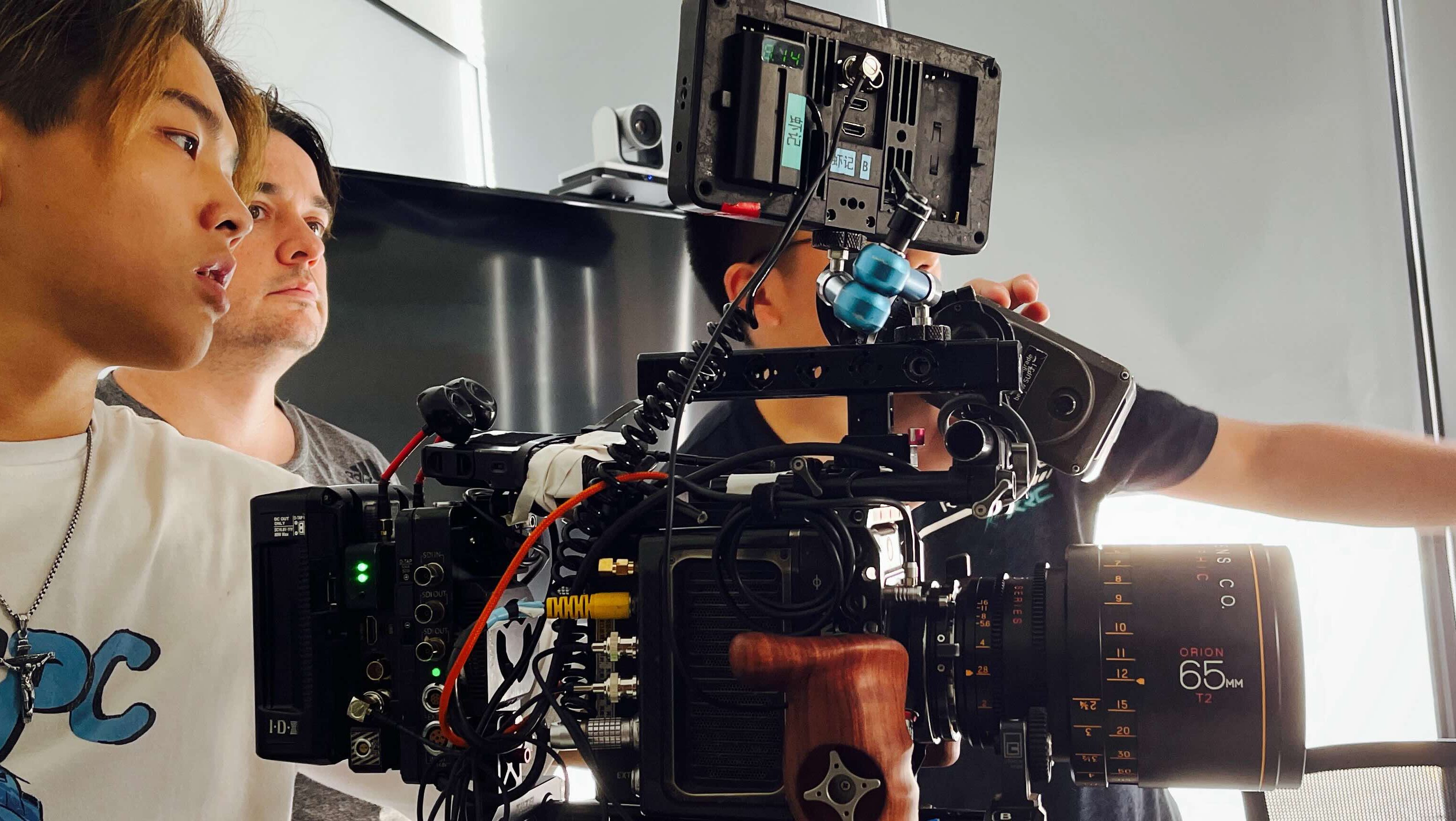
    This ranking is based on insights gathered from our projects and extensive research conducted with the help of AI tools like Deepseek, ChatGPT, and Grok. Focusing on the needs of corporate and documentary productions, we’ve curated a list of the most popular cinema cameras in 2024. These cameras are not only selected for their ability to deliver high-quality visuals, portability, and versatility but also for their availability in the Chinese rental market. Whether you’re filming a corporate promo, a documentary, or any professional video project, this guide highlights the best and most accessible tools to bring your vision to life, and you can easily rent them in China.

    1. Sony FX6

    • Why it’s popular: The FX6 is widely used in higher-end documentary productions for its full-frame sensor, autofocus capabilities, and adaptability in various shooting conditions.
    • Key features: 4K 120fps, dual base ISO, and built-in ND filters.

    2. Sony FX3

    • Why it’s popular: The FX3 is a top choice for documentaries due to its compact size, full-frame sensor, and excellent low-light performance. It’s ideal for run-and-gun shooting and delivers a cinematic look.
    • Key features: 4K 120fps, dual base ISO, and built-in stabilization.

    3. Blackmagic Pocket Cinema Camera 6K Pro

    • Why it’s popular: Known for its affordability and cinematic image quality, the BMPCC 6K Pro is a favorite among independent documentary filmmakers.
    • Key features: 6K resolution, built-in ND filters, and DaVinci Resolve integration.

    4. DJI Ronin 4D

    • Why it’s popular: While primarily known for its stabilization, the Ronin 4D is increasingly used in documentaries for its integrated camera system and ability to capture smooth, dynamic shots.
    • Key features: Full-frame sensor, 6K/8K options, and built-in gimbal stabilization.

    5. Red Komodo-X

    • Why it’s popular: The Komodo features a Super 35mm 6K Global Shutter sensor, which eliminates rolling shutter artifacts and is ideal for fast-moving scenes or action shots.
    • Key features: It records in RED’s proprietary REDCODE RAW format, offering high dynamic range and flexibility in post-production.

    6. Canon EOS C70

    • Why it’s popular: Designed for video-centric workflows, the C70 is lightweight, has reliable autofocus, and offers excellent image quality, making it perfect for documentary filmmakers.
    • Key features: Super 35mm sensor, 4K 120fps, and Canon’s color science.

    7. ARRI Alexa Mini LF

    • Why it’s popular: The Alexa Mini LF is a staple in high-end productions due to its large format sensor, exceptional dynamic range, and cinematic image quality. It’s frequently rented for feature films, high-budget commercials, and TV dramas.
    • Key features: Large format sensor, ARRI color science, and compact design.

    8. RED V-Raptor 8K VV

    • Why it’s popular: Known for its high resolution and versatility, the RED V-Raptor is a favorite for productions requiring 8K footage or high-frame-rate capabilities, such as action films and VFX-heavy projects.
    • Key features: 8K resolution, global shutter, and modular design.

    9. Canon EOS C500 Mark II

    • Why it’s popular: Its modular design and full-frame sensor make it a versatile option for a variety of productions, including commercials, documentaries, and independent films.
    • Key features: 5.9K resolution, Canon color science, and compact form factor.

    10. Sony FX9

    • Why it’s popular: The FX9 is a popular choice for documentaries, TV shows, and corporate videos due to its full-frame sensor, autofocus capabilities, and ease of use.
    • Key features: 6K full-frame sensor, dual base ISO, and built-in ND filters.

    Trends in Corporate and Documentary Video Production in China (2024):

    • 4K is the standard: Most documentaries are shot in 4K to meet client expectations for high-quality deliverables. Cameras like the RED V-Raptor 8K and Blackmagic URSA Mini Pro 12K are rented for projects requiring future-proof resolution.
    • Run-and-gun setups: Compact and lightweight cameras like the Sony FX3 and Canon C70 are preferred for their portability.
    • Local brands gaining traction: Cameras like the Kinefinity MAVO Edge are becoming more popular due to their affordability and support for local filmmakers.
    • Hybrid workflows: The DJI Ronin 4D is increasingly rented for its unique combination of camera and stabilization in one system.

    Pixel Productions China: One of the best video production company in China

    Looking for reliable and professional video production services in China? Pixel Productions China is your ultimate partner, offering top-notch video production solutions tailored to your needs. As a leading China video fixer (Video Production Coordinator), we specialize in providing comprehensive services to ensure that your production process runs smoothly from start to finish. Whether you are a local brand or an international production house, our expertise and dedication to quality have made us the go-to choice for the world’s most respected brands.

    Experience the difference with Pixel Productions China, where customer satisfaction and exceptional service are our top priorities. Contact us today and let us handle all the logistics, permitting, and on-ground support you need to bring your vision to life in China.

    Feel free to explore more insights below!

    Why Is Video Production in China More Challenging Than You Think?

    Multilingual Video Production Services in China

    Innovative Solutions for Remote Video Production in China

    What Type of Chinese Visa Should a Camera Crew Apply for?

    Camera / Gear Rental in China: A Briefly Overview

    Experienced Video Fixer & Production Support in Shanghai China

    Experienced Video and Photo Fixer in Suzhou China

    Experienced Fixer for Filming in Beijing China

    Experienced Video & Photo Fixer in Shenzhen China

    Experienced Video and Photo Fixer in Guangzhou China
    Leave a Reply

    Your email address will not be published. Required fields are marked *

  • 中国での映像制作における主な課題とは?

    Hosting “Love Island” team from ITV, UK

    中国は、壮大な風景、活気ある都市、そして独自の文化を持つ魅力的なロケーションが数多くあるため、映画やテレビ番組、商業映像の撮影に人気のある国です。しかし、中国での映像制作には、多くの課題が伴います。外国の撮影クルーにとっては、言語の壁、撮影許可、物流の複雑さなど、さまざまなハードルを乗り越える必要があります。ここでは、中国での映像制作における主な課題と、それを克服するためのヒントをご紹介します。

    1. 言語と文化の壁

    中国では英語を話せる人が都市部には多くいるものの、地方ではほとんど通じません。撮影クルーが現地の人々と円滑にコミュニケーションを取るためには、通訳や現地のコーディネーターが必要になります。また、中国独自の文化的なニュアンスを理解することも重要です。例えば、交渉の進め方やビジネスマナーが西洋とは異なるため、現地の習慣に慣れていないと誤解が生じることがあります。

    2. 撮影許可と規制の厳格さ

    中国での撮影には、多くの場合、事前に政府の許可を取得する必要があります。特に、歴史的建造物や公共エリアでの撮影には慎重な計画が必要です。また、政府の規制は頻繁に変更されるため、現地の事情に詳しいプロダクション・コーディネーターと連携することが不可欠です。撮影機材の持ち込みにも制限があるため、事前に確認しておくことが大切です。

    Hosting “Edible Wild” team from Chanel News Asia, Singapore

    3. ロジスティクスと移動の課題

    中国は広大な国であり、都市間の移動には時間がかかります。撮影クルーがスムーズに移動できるようにするためには、事前の詳細なロジスティクス計画が欠かせません。特に、地方の撮影地では、宿泊施設や移動手段が限られる場合があるため、適切な手配が必要です。また、機材の輸送には特別な手続きが求められることもあり、慎重な計画が求められます。

    4. インターネットの制限とデジタル環境

    中国では、多くの西洋のインターネットサービス(Google、YouTube、Facebookなど)が規制されています。クラウドサービスやオンラインのコミュニケーションツールを使用する際は、VPNを活用するか、中国国内で利用可能な代替サービスを確保しておくことが重要です。また、大容量の映像データを海外に送信する場合、アップロード速度が遅いことがあるため、データの転送方法も事前に計画しておきましょう。

    5. 撮影ロケーションの不確実性

    中国では、都市の発展が非常に速く、数ヶ月前にロケハンを行った場所が撮影当日に工事中になっていることも珍しくありません。そのため、ロケーションスカウトは撮影日に近い日程で行うことを推奨します。また、撮影当日の状況に柔軟に対応できるよう、代替案を準備しておくことも重要です。

    “Target ESR” Corporate Project(Remote Production), DiscoverNoble Production, US

    6. 現地スタッフとの協力

    中国のプロダクションチームやクルーは非常に優秀ですが、撮影スタイルや作業の進め方が異なることがあります。そのため、事前に作業の流れを明確にし、役割分担をはっきりさせることが大切です。現地のスタッフと良好な関係を築くことで、スムーズな撮影が可能になります。

    7. インターネットの制限と接続問題

    中国のインターネット規制(通称「グレート・ファイアウォール」)により、オンラインでの共同作業が難しくなることがあります。制作チームがよく使用するGoogle Drive、Dropbox、YouTube、さらには一部のメールサービスもブロックされています。ライブ配信やクラウドベースのファイル共有は、VPNなしでは機能しない場合があります。

    また、海外チームによる遠隔承認は、インターネットの検閲の影響で遅れる可能性があります。

    解決策:

    • 中国のローカルファイル共有サービスを活用する
    • 渡航前に信頼できるVPNを準備する
    • 代替の通信手段(WeChat、国内向けクラウドサービスなど)を計画する

    8. 予算と支払いの課題

    中国での映像制作の財務管理には、慎重な計画が必要です。国際送金は、外貨管理や銀行規制の影響で複雑になることがあります。

    また、一部の業者は現地通貨(人民元・CNY)のみを受け付け、中国の銀行システム(WeChat PayやAlipay)での支払いを求める場合があります。

    さらに、銀行振込は政府の金融規制により予想以上に時間がかかることもあるため、事前の準備が重要です。

    結論

    中国は広大で多様性に富んだ国です。沿岸部の工業都市や大都市では、人々の視野が広く、時間に正確で、コミュニケーションもスムーズに行える傾向があります。一方で、地方では異なる文化的な価値観が存在するため、それを理解しながら撮影を進めることが重要です。

    中国での映像制作には、多くの課題がありますが、適切な準備と信頼できる現地パートナーがいれば、素晴らしい映像作品を生み出すことができます。成功の鍵は、事前のリサーチと柔軟な対応力にあります。

    Pixel Productions China: 中国で最高の映像制作会社の一つ

    中国で信頼できるプロフェッショナルな映像制作サービスをお探しですか?
    Pixel Productions Chinaは、お客様のニーズに合わせたハイクオリティな映像制作ソリューションを提供する、最高のパートナーです。

    私たちは、中国の映像制作コーディネーター(China Video Fixer)として、撮影の全プロセスがスムーズに進むよう総合的なサポートを提供します。ローカルブランドから国際的な制作会社まで、あらゆるお客様に対応可能。品質へのこだわりと豊富な経験により、世界の有名ブランドからも選ばれています。

    Pixel Productions Chinaと共に、ワンランク上の映像制作を実現しませんか?
    お客様の満足と卓越したサービスを最優先に考え、ロジスティクス手配、撮影許可取得、現地サポートなど、あらゆるニーズに対応いたします。

    📩 お問い合わせ: info@pixelprocn.com