Tag: travel blogger

  • Video and Photo Fixer in Wuxi

    If you are looking for a fixer in the Wuxi, China, you have come to the right place! We have a lot of experience filming in Wuxi, all across from event, documentary, corporate to commercial. We can help you with information about your travel documents, and obtain your film permits and equipment at a discount. Our Fixers will help you warm up to the locals, prepare for the weather, and tell you all the official and unofficial information to adapt the culture nuances.
    DOC

    Visa for China

    Most visitors choose Shanghai as their entry point. The city offers a 144-hour transit visa exemption for travelers from over 50 countries, making short visits convenient. If your stay in China exceeds one week, you can apply for a tourist visa. Alternatively, we can assist you in securing a J2 visa—the only legal visa for filming in China—highly recommended for shooting in public spaces.

    Film Permits in Wuxi

    Obtaining film permits in Wuxi is a well-organized process. Each local area has its own permitting rules including several different documents being required.

    Filming architecture is not copyrighted in Wuxi so filming is not subject to the same artists’ rights issues as architecture in Europe.

    As your fixer in Wuxi, we must tell you that drone filming is not allowed above ports, train stations, government offices, military bases, within 30KM of major airports.

    Special equipment renting info

    China has a great depth of suppliers offering all equipment imaginable. Highly specialized equipment is found in Shanghai, Beijing & Hong Kong.

    If you plan to bring film equipment into China, it’s important to declare it to China Customs in advance. For highly professional equipment, obtaining a J2 visa may be necessary to ensure a smooth entry into the country.

    Cultural facts

    Chinese people are generally warm and friendly towards foreigners. However, they may feel a little shy or uneasy when faced with a camera. Rest assured, our experienced fixers will guide you, ensuring that your production remains both respectful and authentic.

    Weather when filming in Wuxi

    Wuxi, located in eastern China near Lake Tai, has a humid subtropical climate, characterized by hot, humid summers and mild, relatively dry winters. Here’s a breakdown of the weather throughout the year:

    1. Spring (March to May):
      Spring in Wuxi is mild and comfortable, with temperatures ranging from 10°C to 20°C (50°F to 68°F). It is a lovely time to visit, as the weather is generally pleasant, with occasional rainfall. The city begins to warm up, and flowers and trees start to bloom, adding to the charm of the season.
    2. Summer (June to August):
      Summers in Wuxi are hot and humid, with temperatures often reaching 30°C to 35°C (86°F to 95°F), and the humidity can make it feel even hotter. Heavy rainfall is common, particularly during the monsoon season (June to July), leading to frequent thunderstorms and downpours.
    3. Autumn (September to November):
      Autumn is one of the best times to visit Wuxi, with mild and comfortable weather. Temperatures range from 15°C to 25°C (59°F to 77°F), and the humidity decreases, making the climate more comfortable for outdoor activities. The skies are typically clearer, and rainfall is less frequent, making it ideal for sightseeing.
    4. Winter (December to February):
      Winters in Wuxi are relatively mild compared to northern parts of China, with temperatures ranging from 3°C to 10°C (37°F to 50°F). Snow is rare, and the weather tends to be cold and damp due to high humidity. The city is typically cloudy and overcast, with occasional light rain or drizzle.

    In summary, Wuxi has a generally mild climate with distinct seasons. Spring and autumn are the most pleasant times to visit, with mild temperatures and lower humidity. Summers are hot and humid, and winters are cool and damp but not excessively cold.
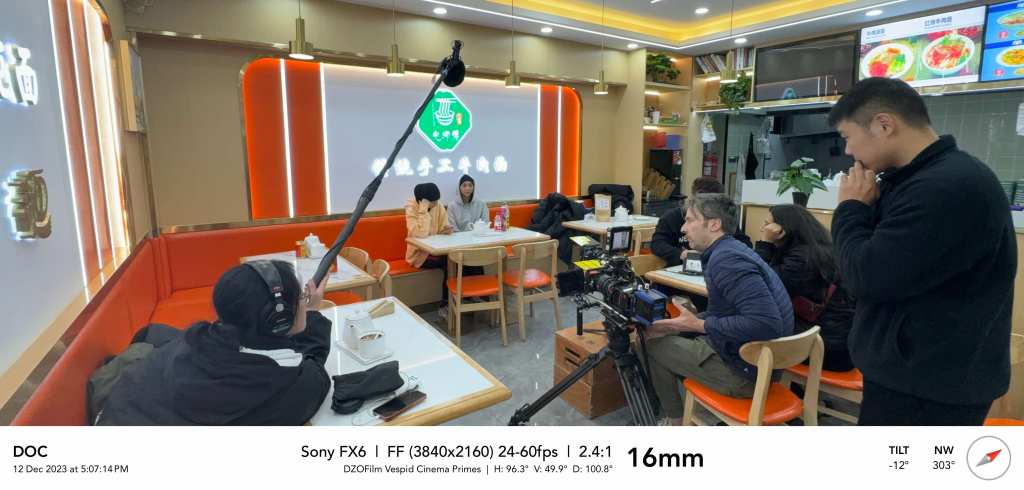
    DOC

    Pixel Production China: Your Trusted Fixer for Wuxi Productions

    At Pixel Production China, we’ve spent over a decade helping international filmmakers turn their visions into reality across the dynamic landscapes of China. With our bilingual team, we bridge the gap between your creative ambitions and the rich filmmaking opportunities Wuxi has to offer.

    Here’s what we bring to the table:

    • Exceptional Location Scouting: From the city’s bustling streets to serene hidden corners, we’ll find the perfect backdrop.
    • Seamless Permit Assistance: Forget about red tape—we’ll handle all the necessary paperwork.
    • Authentic Talent Casting: Enhance your project with the ideal cast to bring your story to life.
    • Top-Tier Equipment Rental: Gain access to cutting-edge gear for a polished production.
    • Comfortable Crew Arrangements: We’ll take care of accommodations to keep your team refreshed and ready.
    • Professional Crew Assembly: From directors to lighting experts, we gather the best talent in Wuxi and beyond.
    • Post-Production Expertise: Need editing or visual effects? We’ve got you covered.
    • Round-the-Clock Support: Day or night, we’re here to tackle any challenges that come your way.

    We can help you with all the administrative stuff, in order to have you focus on the creative part of your production. Leave the film permits to us and we will have it ready and filed to be close at hand during shooting by the time you arrive. Ask us about the amounts in tax rebates that we save customers like yourself.

    Let’s Make Your Wuxi Photo or Video Project Unforgettable!

    Get in touch

    info@pixelprocn.com

    Feel free to explore more insights below!

    Why Is Video Production in China More Challenging Than You Think?

    Multilingual Video Production Services in China

    Innovative Solutions for Remote Video Production in China

    What Type of Chinese Visa Should a Camera Crew Apply for?

    Camera / Gear Rental in China: A Briefly Overview

    Experienced Video Fixer & Production Support in Shanghai China

    Experienced Video and Photo Fixer in Suzhou China

    Experienced Fixer for Filming in Beijing China

    Experienced Video & Photo Fixer in Shenzhen China

    Experienced Video and Photo Fixer in Guangzhou China
    Leave a Reply

    Your email address will not be published. Required fields are marked *

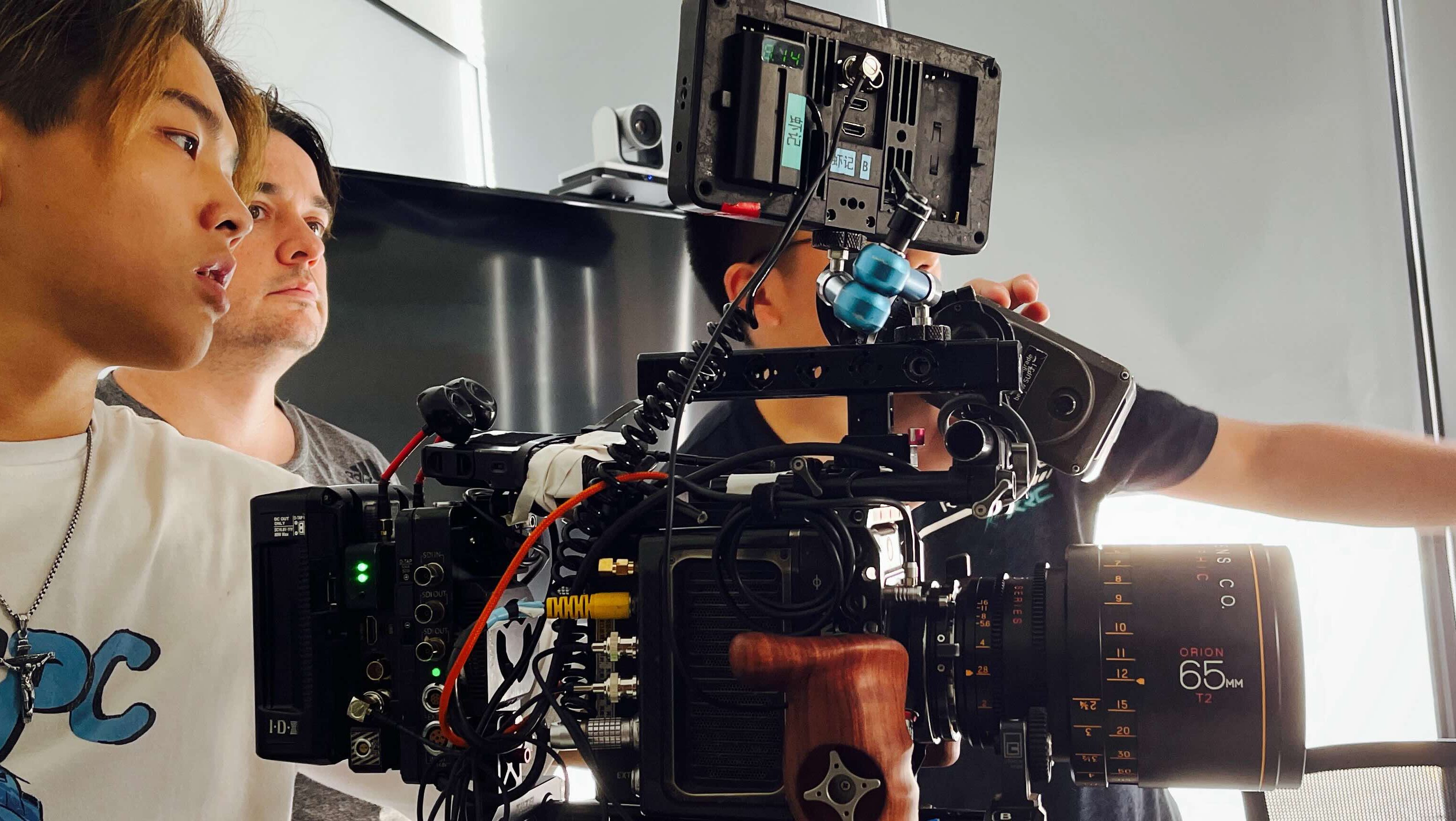
  • What Are The Most Popular Cinema Cameras In China 2024?

    This ranking is based on insights gathered from our projects and extensive research conducted with the help of AI tools like Deepseek, ChatGPT, and Grok. Focusing on the needs of corporate and documentary productions, we’ve curated a list of the most popular cinema cameras in 2024. These cameras are not only selected for their ability to deliver high-quality visuals, portability, and versatility but also for their availability in the Chinese rental market. Whether you’re filming a corporate promo, a documentary, or any professional video project, this guide highlights the best and most accessible tools to bring your vision to life, and you can easily rent them in China.

    1. Sony FX6

    • Why it’s popular: The FX6 is widely used in higher-end documentary productions for its full-frame sensor, autofocus capabilities, and adaptability in various shooting conditions.
    • Key features: 4K 120fps, dual base ISO, and built-in ND filters.

    2. Sony FX3

    • Why it’s popular: The FX3 is a top choice for documentaries due to its compact size, full-frame sensor, and excellent low-light performance. It’s ideal for run-and-gun shooting and delivers a cinematic look.
    • Key features: 4K 120fps, dual base ISO, and built-in stabilization.

    3. Blackmagic Pocket Cinema Camera 6K Pro

    • Why it’s popular: Known for its affordability and cinematic image quality, the BMPCC 6K Pro is a favorite among independent documentary filmmakers.
    • Key features: 6K resolution, built-in ND filters, and DaVinci Resolve integration.

    4. DJI Ronin 4D

    • Why it’s popular: While primarily known for its stabilization, the Ronin 4D is increasingly used in documentaries for its integrated camera system and ability to capture smooth, dynamic shots.
    • Key features: Full-frame sensor, 6K/8K options, and built-in gimbal stabilization.

    5. Red Komodo-X

    • Why it’s popular: The Komodo features a Super 35mm 6K Global Shutter sensor, which eliminates rolling shutter artifacts and is ideal for fast-moving scenes or action shots.
    • Key features: It records in RED’s proprietary REDCODE RAW format, offering high dynamic range and flexibility in post-production.

    6. Canon EOS C70

    • Why it’s popular: Designed for video-centric workflows, the C70 is lightweight, has reliable autofocus, and offers excellent image quality, making it perfect for documentary filmmakers.
    • Key features: Super 35mm sensor, 4K 120fps, and Canon’s color science.

    7. ARRI Alexa Mini LF

    • Why it’s popular: The Alexa Mini LF is a staple in high-end productions due to its large format sensor, exceptional dynamic range, and cinematic image quality. It’s frequently rented for feature films, high-budget commercials, and TV dramas.
    • Key features: Large format sensor, ARRI color science, and compact design.

    8. RED V-Raptor 8K VV

    • Why it’s popular: Known for its high resolution and versatility, the RED V-Raptor is a favorite for productions requiring 8K footage or high-frame-rate capabilities, such as action films and VFX-heavy projects.
    • Key features: 8K resolution, global shutter, and modular design.

    9. Canon EOS C500 Mark II

    • Why it’s popular: Its modular design and full-frame sensor make it a versatile option for a variety of productions, including commercials, documentaries, and independent films.
    • Key features: 5.9K resolution, Canon color science, and compact form factor.

    10. Sony FX9

    • Why it’s popular: The FX9 is a popular choice for documentaries, TV shows, and corporate videos due to its full-frame sensor, autofocus capabilities, and ease of use.
    • Key features: 6K full-frame sensor, dual base ISO, and built-in ND filters.

    Trends in Corporate and Documentary Video Production in China (2024):

    • 4K is the standard: Most documentaries are shot in 4K to meet client expectations for high-quality deliverables. Cameras like the RED V-Raptor 8K and Blackmagic URSA Mini Pro 12K are rented for projects requiring future-proof resolution.
    • Run-and-gun setups: Compact and lightweight cameras like the Sony FX3 and Canon C70 are preferred for their portability.
    • Local brands gaining traction: Cameras like the Kinefinity MAVO Edge are becoming more popular due to their affordability and support for local filmmakers.
    • Hybrid workflows: The DJI Ronin 4D is increasingly rented for its unique combination of camera and stabilization in one system.

    Pixel Productions China: One of the best video production company in China

    Looking for reliable and professional video production services in China? Pixel Productions China is your ultimate partner, offering top-notch video production solutions tailored to your needs. As a leading China video fixer (Video Production Coordinator), we specialize in providing comprehensive services to ensure that your production process runs smoothly from start to finish. Whether you are a local brand or an international production house, our expertise and dedication to quality have made us the go-to choice for the world’s most respected brands.

    Experience the difference with Pixel Productions China, where customer satisfaction and exceptional service are our top priorities. Contact us today and let us handle all the logistics, permitting, and on-ground support you need to bring your vision to life in China.

    Feel free to explore more insights below!

    Why Is Video Production in China More Challenging Than You Think?

    Multilingual Video Production Services in China

    Innovative Solutions for Remote Video Production in China

    What Type of Chinese Visa Should a Camera Crew Apply for?

    Camera / Gear Rental in China: A Briefly Overview

    Experienced Video Fixer & Production Support in Shanghai China

    Experienced Video and Photo Fixer in Suzhou China

    Experienced Fixer for Filming in Beijing China

    Experienced Video & Photo Fixer in Shenzhen China

    Experienced Video and Photo Fixer in Guangzhou China

    Leave a Reply

    Your email address will not be published. Required fields are marked *

  • 中国での映像制作における主な課題とは?

    Hosting “Love Island” team from ITV, UK

    中国は、壮大な風景、活気ある都市、そして独自の文化を持つ魅力的なロケーションが数多くあるため、映画やテレビ番組、商業映像の撮影に人気のある国です。しかし、中国での映像制作には、多くの課題が伴います。外国の撮影クルーにとっては、言語の壁、撮影許可、物流の複雑さなど、さまざまなハードルを乗り越える必要があります。ここでは、中国での映像制作における主な課題と、それを克服するためのヒントをご紹介します。

    1. 言語と文化の壁

    中国では英語を話せる人が都市部には多くいるものの、地方ではほとんど通じません。撮影クルーが現地の人々と円滑にコミュニケーションを取るためには、通訳や現地のコーディネーターが必要になります。また、中国独自の文化的なニュアンスを理解することも重要です。例えば、交渉の進め方やビジネスマナーが西洋とは異なるため、現地の習慣に慣れていないと誤解が生じることがあります。

    2. 撮影許可と規制の厳格さ

    中国での撮影には、多くの場合、事前に政府の許可を取得する必要があります。特に、歴史的建造物や公共エリアでの撮影には慎重な計画が必要です。また、政府の規制は頻繁に変更されるため、現地の事情に詳しいプロダクション・コーディネーターと連携することが不可欠です。撮影機材の持ち込みにも制限があるため、事前に確認しておくことが大切です。

    Hosting “Edible Wild” team from Chanel News Asia, Singapore

    3. ロジスティクスと移動の課題

    中国は広大な国であり、都市間の移動には時間がかかります。撮影クルーがスムーズに移動できるようにするためには、事前の詳細なロジスティクス計画が欠かせません。特に、地方の撮影地では、宿泊施設や移動手段が限られる場合があるため、適切な手配が必要です。また、機材の輸送には特別な手続きが求められることもあり、慎重な計画が求められます。

    4. インターネットの制限とデジタル環境

    中国では、多くの西洋のインターネットサービス(Google、YouTube、Facebookなど)が規制されています。クラウドサービスやオンラインのコミュニケーションツールを使用する際は、VPNを活用するか、中国国内で利用可能な代替サービスを確保しておくことが重要です。また、大容量の映像データを海外に送信する場合、アップロード速度が遅いことがあるため、データの転送方法も事前に計画しておきましょう。

    5. 撮影ロケーションの不確実性

    中国では、都市の発展が非常に速く、数ヶ月前にロケハンを行った場所が撮影当日に工事中になっていることも珍しくありません。そのため、ロケーションスカウトは撮影日に近い日程で行うことを推奨します。また、撮影当日の状況に柔軟に対応できるよう、代替案を準備しておくことも重要です。

    “Target ESR” Corporate Project(Remote Production), DiscoverNoble Production, US

    6. 現地スタッフとの協力

    中国のプロダクションチームやクルーは非常に優秀ですが、撮影スタイルや作業の進め方が異なることがあります。そのため、事前に作業の流れを明確にし、役割分担をはっきりさせることが大切です。現地のスタッフと良好な関係を築くことで、スムーズな撮影が可能になります。

    7. インターネットの制限と接続問題

    中国のインターネット規制(通称「グレート・ファイアウォール」)により、オンラインでの共同作業が難しくなることがあります。制作チームがよく使用するGoogle Drive、Dropbox、YouTube、さらには一部のメールサービスもブロックされています。ライブ配信やクラウドベースのファイル共有は、VPNなしでは機能しない場合があります。

    また、海外チームによる遠隔承認は、インターネットの検閲の影響で遅れる可能性があります。

    解決策:

    • 中国のローカルファイル共有サービスを活用する
    • 渡航前に信頼できるVPNを準備する
    • 代替の通信手段(WeChat、国内向けクラウドサービスなど)を計画する

    8. 予算と支払いの課題

    中国での映像制作の財務管理には、慎重な計画が必要です。国際送金は、外貨管理や銀行規制の影響で複雑になることがあります。

    また、一部の業者は現地通貨(人民元・CNY)のみを受け付け、中国の銀行システム(WeChat PayやAlipay)での支払いを求める場合があります。

    さらに、銀行振込は政府の金融規制により予想以上に時間がかかることもあるため、事前の準備が重要です。

    結論

    中国は広大で多様性に富んだ国です。沿岸部の工業都市や大都市では、人々の視野が広く、時間に正確で、コミュニケーションもスムーズに行える傾向があります。一方で、地方では異なる文化的な価値観が存在するため、それを理解しながら撮影を進めることが重要です。

    中国での映像制作には、多くの課題がありますが、適切な準備と信頼できる現地パートナーがいれば、素晴らしい映像作品を生み出すことができます。成功の鍵は、事前のリサーチと柔軟な対応力にあります。

    Pixel Productions China: 中国で最高の映像制作会社の一つ

    中国で信頼できるプロフェッショナルな映像制作サービスをお探しですか?
    Pixel Productions Chinaは、お客様のニーズに合わせたハイクオリティな映像制作ソリューションを提供する、最高のパートナーです。

    私たちは、中国の映像制作コーディネーター(China Video Fixer)として、撮影の全プロセスがスムーズに進むよう総合的なサポートを提供します。ローカルブランドから国際的な制作会社まで、あらゆるお客様に対応可能。品質へのこだわりと豊富な経験により、世界の有名ブランドからも選ばれています。

    Pixel Productions Chinaと共に、ワンランク上の映像制作を実現しませんか?
    お客様の満足と卓越したサービスを最優先に考え、ロジスティクス手配、撮影許可取得、現地サポートなど、あらゆるニーズに対応いたします。

    📩 お問い合わせ: info@pixelprocn.com

  • What Challenges Do Filmmakers Face When Shooting in Hong Kong and Macau?

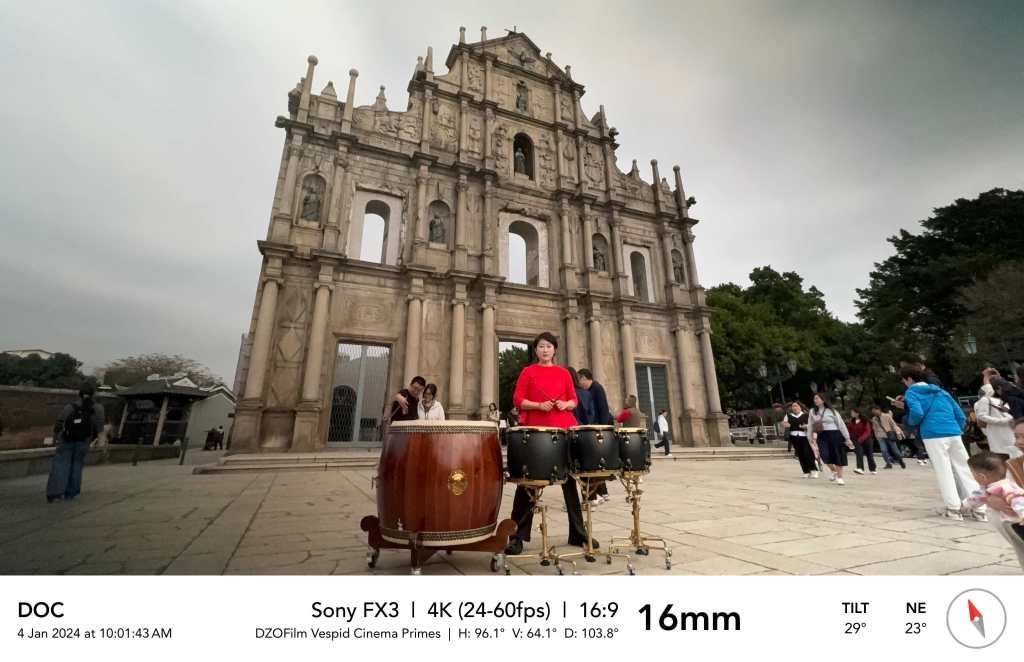
    a music video project at Macau for CGTN, 2024

    Introduction

    Hong Kong and Macau are two of the most visually striking and culturally rich locations for filmmaking in Asia. From the neon-lit skyline of Hong Kong to the European-influenced streets of Macau, these cities offer unique backdrops for commercial, documentary, and feature film productions. However, while they are more accessible than mainland China in terms of regulations and infrastructure, foreign filmmakers still face various challenges when shooting in these regions. Understanding these obstacles in advance can help ensure a smooth production.

    1. Permits and Regulations

    Unlike mainland China, Hong Kong and Macau have relatively relaxed filming regulations. However, certain restrictions and bureaucratic processes can still cause delays.

    • Public Filming Permits: While small productions with handheld cameras may not require a permit, larger shoots, especially those involving tripods, drones, or street closures, typically need approval from the relevant authorities (e.g., the Film Services Office in Hong Kong).
    • Private Locations: Many high-profile areas, such as malls, office buildings, and some heritage sites, require direct permission from property owners or government offices.
    • Drone Restrictions: Hong Kong has strict drone laws, requiring registration and certification for commercial drone usage. Macau has even more stringent restrictions, with many areas completely off-limits to drones.

    Solution: Work with a local fixer or production company that understands the permit process and can secure approvals efficiently.

    Corporate Production for TMS Design, Hong Kong, 2023

    2. Crowded and Limited Filming Spaces

    Hong Kong and Macau are densely populated, making it challenging to secure quiet and open spaces for filming.

    • Hong Kong’s Congested Streets: The city’s compact urban layout means that finding a filming location without foot traffic interruptions is difficult.
    • Macau’s Tourist Hotspots: As a major tourist destination, Macau’s scenic spots—like Senado Square and the Ruins of St. Paul’s—are often packed with visitors, making controlled filming complicated.

    Solution: Plan shoots during off-peak hours, secure necessary permits for crowd control, and consider using private locations when possible.

    3. Weather and Unpredictable Conditions

    The subtropical climate of Hong Kong and Macau means filmmakers must be prepared for sudden weather changes.

    • Humidity and Heat: Summers can be extremely humid, causing challenges for both crew and equipment.
    • Typhoon Season: From May to October, typhoons can disrupt production schedules, causing delays or cancellations.
    • Fog and Air Pollution: During certain times of the year, heavy fog can obscure skyline shots, and air quality fluctuations may affect outdoor shoots.

    Solution: Monitor weather forecasts closely, have contingency plans for indoor locations, and schedule buffer days in case of delays.

    4. High Production Costs

    While Hong Kong and Macau offer world-class facilities, production costs can be significantly higher than in mainland China.

    • Crew and Talent Fees: Local crew rates tend to be more expensive due to the high cost of living.
    • Location Fees: Renting private locations, especially in premium districts, can be costly.
    • Accommodation and Transport: Hotels and transportation costs add up quickly, especially for extended shoots.

    Solution: Budget carefully, hire a local fixer to negotiate better rates, and consider sourcing some crew and services from neighboring cities like Shenzhen for cost efficiency.

    Documentary Productions for TVNZ, Hong Kong, 2024

    5. Language and Cultural Barriers

    While English is widely spoken in Hong Kong, Macau primarily uses Cantonese and Portuguese, which may pose a challenge when dealing with local vendors and authorities.

    • Technical and Legal Documents: Many permit applications and official documents are in Chinese or Portuguese.
    • Cultural Nuances: Business etiquette and negotiation styles differ from Western norms, and understanding local expectations can impact production efficiency.

    Solution: Have a bilingual production coordinator or fixer to handle communication and documentation.

    6. Limited Equipment Availability in Macau

    While Hong Kong has a well-established film industry with access to top-tier rental houses, Macau has more limited options.

    • Importing Equipment: Macau has fewer rental facilities, so productions often need to bring gear from Hong Kong or mainland China.
    • Customs Considerations: Moving equipment between these regions may involve customs declarations and import taxes.

    Solution: Plan ahead for equipment rentals in Hong Kong and arrange proper transport for gear into Macau.

    7. Bureaucratic Hurdles and Political Sensitivities

    Although Hong Kong and Macau operate under the “One Country, Two Systems” framework, political sensitivities can still impact film production.

    • Censorship Concerns: While regulations are looser than in mainland China, politically sensitive topics may still face scrutiny, particularly for distribution.
    • Visa and Work Permits: Foreign crews may need the proper work permits depending on the nature and length of the production.

    Solution: Avoid politically sensitive topics unless fully aware of the implications, and ensure all crew members have the appropriate visas.

    Conclusion

    Filming in Hong Kong and Macau presents unique opportunities but also comes with its share of challenges, from navigating permits and dealing with high costs to managing unpredictable weather and crowded locations. However, with proper planning, local support, and flexibility, filmmakers can successfully capture the stunning visuals and dynamic energy these cities offer.

    If you’re planning a production in Hong Kong or Macau, partnering with experienced local fixers and production teams can make all the difference in ensuring a seamless and efficient shoot.

    Pixel Productions China: One of the best video production company in China

    Looking for reliable and professional video production services in China? Pixel Productions China is your ultimate partner, offering top-notch video production solutions tailored to your needs. As a leading China video fixer (Video Production Coordinator), we specialize in providing comprehensive services to ensure that your production process runs smoothly from start to finish. Whether you are a local brand or an international production house, our expertise and dedication to quality have made us the go-to choice for the world’s most respected brands.

    Experience the difference with Pixel Productions China, where customer satisfaction and exceptional service are our top priorities. Contact us today and let us handle all the logistics, permitting, and on-ground support you need to bring your vision to life in China.

    Feel free to explore more insights below!

    Why Is Video Production in China More Challenging Than You Think?

    Multilingual Video Production Services in China

    Innovative Solutions for Remote Video Production in China

    What Type of Chinese Visa Should a Camera Crew Apply for?

    Camera / Gear Rental in China: A Briefly Overview

    Experienced Video Fixer & Production Support in Shanghai China

    Experienced Video and Photo Fixer in Suzhou China

    Experienced Fixer for Filming in Beijing China

    Experienced Video & Photo Fixer in Shenzhen China

    Experienced Video and Photo Fixer in Guangzhou China

    Leave a Reply

    Your email address will not be published. Required fields are marked *

  • Why Is Video Production in China More Challenging Than You Think?

    Hosting “Love Island” team from ITV, UK

    Introduction

    China is an exciting and dynamic place to film, offering a diverse range of locations, modern production facilities, and a growing entertainment industry. However, for foreign crews, navigating the complexities of video production in China comes with its own set of challenges. From strict regulations to logistical hurdles, understanding these obstacles can make the difference between a smooth shoot and a production nightmare. Let’s break down the main challenges and how to overcome them.

    1. Film Permits and Regulations

    One of the biggest hurdles for video production in China is obtaining the necessary permits. Unlike some countries where filming in public places is relatively straightforward, China requires official approval for most productions, especially for foreign crews.

    • Filming in public spaces, heritage sites, or sensitive locations requires special permits.
    • Government regulations often dictate what content is permissible, meaning certain political, cultural, or social topics may face restrictions.
    • Applying for permits can be time-consuming, and approval is never guaranteed.

    Solution: Work with a local production fixer or company familiar with China’s permitting process to ensure compliance and avoid unnecessary delays.

    2. Visa and Work Authorization

    Bringing a foreign crew into China requires the right visa, which can be confusing. Many international teams mistakenly assume they can shoot under a tourist or business visa, but in reality, a specific type of work visa (Z or J2 visa) is often required for professional filming.

    • Misclassifying your visa can lead to fines, deportation, or even a shutdown of your production.
    • The visa application process can be lengthy and requires supporting documentation.

    Solution: Start the visa process early and consult with a local fixer to determine the correct visa type for your crew.

    Hosting “Edible Wild” team from Chanel News Asia, Singapore

    3. Language Barriers and Communication

    While English is widely spoken in major cities, many government officials, vendors, and location contacts primarily speak Mandarin. Miscommunication can lead to costly mistakes or unexpected delays.

    • Technical jargon in film production may not translate directly into Mandarin.
    • Negotiating with local authorities and vendors can be challenging without fluent Mandarin speakers on your team.

    Solution: Hire a bilingual fixer or translator who understands both film production and local business etiquette.

    4. Equipment Rental and Customs Restrictions

    Bringing professional camera gear into China can be complicated. Customs regulations often require detailed declarations, and in some cases, a carnet (an international customs document) is needed to temporarily import filming equipment.

    • Customs inspections can delay your gear’s arrival or even result in confiscation.
    • Renting equipment locally is possible, but availability may vary depending on your location and needs.

    Solution: Either work with a production company that can provide local equipment rentals or ensure you have all the proper customs documentation before bringing in your own gear.

    5. Location Scouting and Logistics

    China’s vast landscape offers incredible filming opportunities, from modern skyscrapers to ancient villages, but securing the right location isn’t always easy.

    • Some areas require special permissions, and authorities may be hesitant to grant access to certain sites.
    • Travel between cities or remote locations can be time-consuming due to transportation restrictions or limited infrastructure in certain regions.
    • Considering things are constantly changing, an unexpected road work or construction on-site could disrupt the production. To minimize risks, we recommend scheduling location scouting as close to the filming date as possible.

    Solution: Work with a local team that understands the landscape and can assist with location scouting and logistics planning.

    “Target ESR” Corporate Project(Remote Production), DiscoverNoble Production, US

    6. Cultural and Bureaucratic Differences

    Understanding Chinese business culture is crucial to keeping your production on track. Unlike Western countries, where business decisions may happen quickly, China often operates on the principle of guanxi (relationships and connections).

    • Building trust with local partners, officials, and vendors takes time.
    • Bureaucracy can slow down decision-making, so patience and flexibility are essential.

    Solution: Be prepared for delays, and foster strong local relationships by working with experienced fixers who understand the cultural landscape.

    7. Internet Restrictions and Connectivity Issues

    China’s internet restrictions, known as the Great Firewall, can make online collaboration more difficult. Many platforms commonly used by production teams—Google Drive, Dropbox, YouTube, and even some email services—are blocked.

    • Live streaming or cloud-based file sharing may not work without a VPN.
    • Remote approvals from international teams can be slow due to internet censorship.

    Solution: Use local file-sharing services, secure a reliable VPN before arriving, and plan for alternative communication methods.

    8. Budgeting and Payment Challenges

    Managing finances for a production in China requires careful planning. International transactions can sometimes be complicated due to currency controls and banking regulations.

    • Some vendors may only accept local currency (CNY) and require payments through Chinese banking systems like WeChat Pay or Alipay.
    • Wire transfers can take longer than expected due to government financial regulations.

    Solution: Establish clear payment terms in advance and work with a local production partner who can facilitate transactions smoothly.

    Conclusion

    While video production in China presents unique challenges, they are not insurmountable. With the right preparation, local expertise, and a flexible approach, international filmmakers can navigate these obstacles and successfully bring their creative visions to life. Partnering with experienced local fixers, planning logistics in advance, and understanding China’s regulatory landscape will go a long way in ensuring a hassle-free shoot.

    China is a vast country. In the more industrialized coastal regions or large cities, people tend to have more open-minded attitudes and broader perspectives. They are also more likely to communicate effectively and be punctual. Understanding these regional differences can help production teams adapt their expectations and workflows accordingly.

    If you’re planning a production in China, reach out to an experienced fixer to help you navigate these challenges and make the process as smooth as possible!

    Pixel Productions China: One of the best video production company in China

    Looking for reliable and professional video production services in China? Pixel Productions China is your ultimate partner, offering top-notch video production solutions tailored to your needs. As a leading China video fixer (Video Production Coordinator), we specialize in providing comprehensive services to ensure that your production process runs smoothly from start to finish. Whether you are a local brand or an international production house, our expertise and dedication to quality have made us the go-to choice for the world’s most respected brands.

    Experience the difference with Pixel Productions China, where customer satisfaction and exceptional service are our top priorities. Contact us today and let us handle all the logistics, permitting, and on-ground support you need to bring your vision to life in China.

    Contact us : info@pixelprocn.com

    Feel free to explore more insights below!

    Multilingual Video Production Services in China

    Innovative Solutions for Remote Video Production in China

    What Type of Chinese Visa Should a Camera Crew Apply for?

    Camera / Gear Rental in China: A Briefly Overview

    The Current State of Film and TV Equipment Rental in China: A Comprehensive Overview

    Corporate Video Portfolio

    Experienced Video Fixer & Production Support in Shanghai China

    Experienced Video and Photo Fixer in Suzhou China

    Experienced Fixer for Filming in Beijing China

    Experienced Video & Photo Fixer in Shenzhen China

    Experienced Video and Photo Fixer in Guangzhou China
    Leave a Reply

    Your email address will not be published. Required fields are marked *

  • Essential Travel Tips for Visiting China: Cultural Etiquette, Useful Phrases, and More

    China is a country with a rich history, diverse cultures, and unique customs. Whether you’re planning a short trip or a long stay, understanding local etiquette and basic Chinese phrases can enhance your experience and ensure smoother interactions with locals. This guide provides essential tips for visitors to China, including helpful Chinese phrases, cultural etiquette, dining tips, and more.

    Key Chinese Phrases Every Visitor Should Know

    When visiting China, learning a few basic Chinese phrases can go a long way in making your trip more enjoyable. Here are some key phrases you’ll find useful:

    • HelloNi Hao (你好)
    • Thank YouXie Xie (谢谢)
    • GoodbyeZai Jian (再见)
    • You’re welcomeBu Ke Qi (不客气)
    • ReceiptXiao Piao (小票)

    Why Learn Basic Chinese Phrases?

    Learning these simple phrases helps show respect for Chinese culture, facilitates easier communication, and fosters positive relationships with locals. Many Chinese people appreciate foreigners who make an effort to speak their language, even if it’s just a few words.

    Cultural Etiquette Tips for Visitors to China

    Handshakes and Greetings

    In China, a handshake is the most common form of greeting, though it’s typically softer and more gentle than Western-style handshakes. It’s important to offer a handshake with a light touch and avoid a firm or strong grip.

    Tipping in China

    Tipping is not customary in China, and it may even be considered rude in some contexts. Restaurant waiters and taxi drivers generally do not expect tips. However, it’s common to tip hotel porters and bellhops who assist with luggage.

    Personal Space and Public Behavior

    In crowded places like public transport, personal space can be limited. It’s not unusual for people to push or jostle in queues or to claim seats quickly. If you leave a gap in a queue, someone will likely fill it, so be prepared!

    Chinese people tend to be less physically affectionate compared to some other cultures. Hugs and kisses are uncommon, and handshakes or waves are the preferred ways to say goodbye.

    Crossing the Street in China

    Be cautious when crossing roads in China, as traffic rules may not always be followed strictly. Pedestrian lights and crossings don’t necessarily guarantee that vehicles will stop. Always look both ways before crossing, even if you have the right of way.

    Using WeChat for Communication

    WeChat is the most popular messaging and social media app in China. It’s more common to exchange WeChat contact information than business cards. Be sure to download WeChat before your trip and use both hands when receiving business cards as a sign of respect.

    Addressing People in China

    In China, it’s customary to address someone by their family name first, followed by their given name. When meeting Chinese colleagues or friends, make sure to use their family name unless invited to use their first name.

    Punctuality and Respect

    Being on time is valued in Chinese culture. Although Chinese people are generally a few minutes late for engagements, punctuality is seen as a sign of respect. Arriving early for appointments or meetings shows your sincerity.

    Removing Shoes Indoors

    In Chinese culture, it’s considered impolite to wear shoes indoors, especially in private homes. Always take off your shoes before entering a home unless told otherwise.

    Photography Etiquette

    Chinese people are fond of taking photos of foreigners and children. While it’s usually meant as a gesture of admiration or affection, it’s important to be respectful and ask before taking photos of individuals.

    Toilet Paper and Hygiene

    In many public restrooms in China, toilet paper may not be provided, so it’s advisable to carry tissues or toilet paper with you at all times. Additionally, hand dryers or tissue paper may not be available, so it’s a good idea to have your own.

    Avoiding Green Hats

    In China, wearing or gifting a green hat is considered a sign of infidelity, as the phrase “wearing a green hat” (戴绿帽子 dài lǜ màozi) symbolizes a man whose wife is unfaithful. Avoid wearing or giving green hats to prevent misunderstandings.

    Eating and Drinking Etiquette in China

    Water and Ice

    Tap water is generally not safe to drink in China, so always opt for bottled water. Ice served in hotels and higher-end restaurants is typically made from filtered water, but if in doubt, ask the staff.

    Dining Etiquette

    In China, meals are often served family-style, with a variety of dishes placed in the center of the table for everyone to share. Be careful, as the food is incredibly delicious and it can be easy to lose track of how much you’ve eaten!

    Chopstick Etiquette

    Do not stick chopsticks upright into your bowl, as this resembles an offering for the deceased. Tapping your bowl with chopsticks is also seen as inappropriate. Additionally, cover your mouth with one hand when using a toothpick.

    Generosity and Dining Culture

    Chinese hosts are very generous when it comes to meals, and it’s common to be offered more food than you can eat. If your plate is empty, your host may insist that you eat more, as an empty plate can be seen as impolite.

    Blowing Your Nose

    Blowing your nose in public, especially at the dinner table, is considered unhygienic. It’s best to avoid doing this in front of others.

    Gift Giving Etiquette in China

    Receiving Gifts

    When receiving a gift, always use both hands as a sign of respect. Chinese people typically do not open gifts in front of the giver, as it’s customary to open them later. If offered a gift, it’s polite to ask, “Can I open it now?” unless the giver insists you do so immediately.

    Gift Refusals

    If a gift is initially refused, don’t be offended. In Chinese culture, it may take several offers before a gift is accepted, as it’s seen as a sign of modesty and not wanting to appear greedy.

    Gift-Related Taboos

    Avoid giving clocks, chrysanthemums, or items in black or white, as these are associated with funerals and death. Also, the number 4 is considered unlucky due to its similarity to the word for “death,” while 8 is seen as auspicious because it sounds like “wealth.”

    Conversation Etiquette

    Sensitive Topics

    Chinese people are proud of their country, but there are some sensitive topics to avoid, such as politics, religion, or issues regarding Taiwan, Xinjiang, and Tibet. Discussing these topics can lead to uncomfortable situations. Focus on positive subjects to keep conversations friendly.

    Personal Questions

    It’s common in China to ask personal questions about your marital status, family, age, job, or income. Don’t take offense—this is a way for Chinese people to seek common ground and establish a connection.

    Weight and Appearance

    Chinese people may comment on your weight, often saying, “You’ve put on weight.” This is usually a sign of care and not meant to offend.

    Conclusion: Make the Most of Your Visit to China

    Understanding Chinese customs, etiquette, and language will help you navigate your trip with confidence and respect. Whether you’re in a bustling city like Beijing or a scenic destination like Suzhou, these tips will ensure that you make the most of your visit to China.

    Pixel Productions China: One of the best video production company in China

    Looking for reliable and professional video production services in China? Pixel Productions China is your ultimate partner, offering top-notch video production solutions tailored to your needs. As a leading China video fixer (Video Production Coordinator), we specialize in providing comprehensive services to ensure that your production process runs smoothly from start to finish. Whether you are a local brand or an international production house, our expertise and dedication to quality have made us the go-to choice for the world’s most respected brands.

    Experience the difference with Pixel Productions China, where customer satisfaction and exceptional service are our top priorities. Contact us today and let us handle all the logistics, permitting, and on-ground support you need to bring your vision to life in China.

    Contact us : info@pixelprocn.com

    Feel free to explore more insights below!

    Multilingual Video Production Services in China

    Innovative Solutions for Remote Video Production in China

    What Type of Chinese Visa Should a Camera Crew Apply for?

    Camera / Gear Rental in China: A Briefly Overview

    Corporate Video Portfolio

    Experienced Video Fixer & Production Support in Shanghai China

    Experienced Video and Photo Fixer in Suzhou China

    Experienced Fixer for Filming in Beijing China

    Experienced Video & Photo Fixer in Shenzhen China

    Experienced Video and Photo Fixer in Guangzhou China
    Leave a Reply

    Your email address will not be published. Required fields are marked *

  • Expert Fixers for Filming in Chengdu China

    If you are looking for a fixer in the Chengdu, China, you have come to the right place! We have a lot of experience filming in Chengdu, all across from event, documentary, corporate to commercial. We can help you with information about your travel documents, and obtain your film permits and equipment at a discount. Our Fixers will help you warm up to the locals, prepare for the weather, and tell you all the official and unofficial information to adapt the culture nuances.

    Visa for China

    Chengdu provides a 144-hour transit visa exemption for travelers from over 50 countries, making short visits convenient. If your stay in China exceeds one week, you can apply for a tourist visa. Alternatively, we can help you secure a J2 visa—the only legal visa for filming in China—highly recommended for shooting in public spaces.

    Film Permits in Chengdu

    Obtaining film permits in Chengdu is a well-organized process. Each local area has its own permitting rules including several different documents being required.

    Filming architecture is not copyrighted in Chengdu so filming is not subject to the same artists’ rights issues as architecture in Europe.

    As your fixer in Chengdu, we must tell you that drone filming is not allowed above ports, train stations, government offices, military bases, within 30KM of major airports.

    Special equipment renting info

    China has a great depth of suppliers offering all equipment imaginable. Highly specialized equipment is found in Shanghai, Beijing & Hong Kong.

    If you plan to bring film equipment into China, it’s important to declare it to China Customs in advance. For highly professional equipment, obtaining a J2 visa may be necessary to ensure a smooth entry into the country.

    Cultural facts

    Chinese people are generally warm and friendly towards foreigners. However, they may feel a little shy or uneasy when faced with a camera. Rest assured, our experienced fixers will guide you, ensuring that your production remains both respectful and authentic.

    Weather when filming in Chengdu

    Chengdu, located in southwestern China, has a humid subtropical climate with distinct seasons, though it is known for its relatively mild and temperate weather throughout the year. Here’s an overview:

    1. Spring (March to May):
      Spring in Chengdu is mild and pleasant, with temperatures ranging from 10°C to 20°C (50°F to 68°F). The city experiences moderate rainfall and frequent cloud cover, with flowers blooming, making it a lovely time to visit.
    2. Summer (June to August):
      Summers in Chengdu can be hot and humid, with temperatures often ranging from 25°C to 35°C (77°F to 95°F). Despite the heat, Chengdu rarely experiences extreme temperatures due to its location in a basin. This season also brings heavy rains, especially in June and July, as the region is affected by the monsoon season.
    3. Autumn (September to November):
      Autumn is considered one of the best times to visit Chengdu. The weather is cool and comfortable, with temperatures ranging from 15°C to 25°C (59°F to 77°F). The skies tend to clear, and rainfall decreases, offering pleasant conditions for sightseeing.
    4. Winter (December to February):
      Winters in Chengdu are relatively mild compared to other parts of China, with temperatures ranging from 3°C to 10°C (37°F to 50°F). Snow is rare, but the weather can feel cold and damp due to high humidity. The city often experiences overcast skies and occasional drizzle during the winter months.

    Overall, Chengdu’s climate is moderate, with humidity being a notable feature. The best times to visit are during spring and autumn, when the weather is mild, and outdoor activities are most enjoyable.

    Pixel Production China: Your Trusted Fixer for Chengdu Productions

    At Pixel Production China, we’ve spent over a decade helping international filmmakers turn their visions into reality across the dynamic landscapes of China. With our bilingual team, we bridge the gap between your creative ambitions and the rich filmmaking opportunities Chengdu has to offer.

    Here’s what we bring to the table:

    • Exceptional Location Scouting: From the city’s bustling streets to serene hidden corners, we’ll find the perfect backdrop.
    • Seamless Permit Assistance: Forget about red tape—we’ll handle all the necessary paperwork.
    • Authentic Talent Casting: Enhance your project with the ideal cast to bring your story to life.
    • Top-Tier Equipment Rental: Gain access to cutting-edge gear for a polished production.
    • Comfortable Crew Arrangements: We’ll take care of accommodations to keep your team refreshed and ready.
    • Professional Crew Assembly: From directors to lighting experts, we gather the best talent in Chengdu and beyond.
    • Post-Production Expertise: Need editing or visual effects? We’ve got you covered.
    • Round-the-Clock Support: Day or night, we’re here to tackle any challenges that come your way.

    We can help you with all the administrative stuff, in order to have you focus on the creative part of your production. Leave the film permits to us and we will have it ready and filed to be close at hand during shooting by the time you arrive. Ask us about the amounts in tax rebates that we save customers like yourself.

    Let’s Make Your Chengdu Photo or Video Project Unforgettable!

    Pixel Productions China: One of the best video production company in China

    Looking for reliable and professional video production services in China? Pixel Productions China is your ultimate partner, offering top-notch video production solutions tailored to your needs. As a leading China video fixer (Video Production Coordinator), we specialize in providing comprehensive services to ensure that your production process runs smoothly from start to finish. Whether you are a local brand or an international production house, our expertise and dedication to quality have made us the go-to choice for the world’s most respected brands.

    Experience the difference with Pixel Productions China, where customer satisfaction and exceptional service are our top priorities. Contact us today and let us handle all the logistics, permitting, and on-ground support you need to bring your vision to life in China.

    Contact us : info@pixelprocn.com

    Feel free to explore more insights below!

    Multilingual Video Production Services in China

    Innovative Solutions for Remote Video Production in China

    What Type of Chinese Visa Should a Camera Crew Apply for?

    Camera / Gear Rental in China: A Briefly Overview

    Corporate Video Portfolio

    Experienced Video Fixer & Production Support in Shanghai China

    Experienced Video and Photo Fixer in Suzhou China

    Experienced Fixer for Filming in Beijing China

    Experienced Video & Photo Fixer in Shenzhen China

    Experienced Video and Photo Fixer in Guangzhou China

    Leave a Reply

    Your email address will not be published. Required fields are marked *

  • Multilingual Video Production Services in China

    At Pixel Productions China, we’ve been bringing captivating video content to life since 2015. Over the years, our in-house team has become known for delivering visually stunning, informative videos that stand out in any industry. Based in China, we are a multilingual video production company offering a wide range of services to meet the needs of international clients.

    Whether you’re scouting locations, planning logistics, or booking crews and equipment, we handle it all to ensure your video project runs smoothly from start to finish. With a decade of experience, we’ve had the privilege of collaborating with some of the world’s most prestigious organizations, such as Discovery, CNN, Financial Times, Wall Street Journal, UNESCO, Exxon Mobil, SABIC, DOWS, NIKE, AUDI, BYD, and many more.

    ITV “Love Island” @Gaungzhou, China 2019

    Our team’s diverse expertise allows us to support international crews from over 25 countries, making us your ideal partner for any video production in China. From corporate videos and commercials to documentaries and branded content, we’re here to help you tell your story in the most impactful way possible.

    BYD Tour @ Shenzhen, China 2023

    Stay tuned for more updates and insights from Pixel Productions, where excellence in video production meets exceptional service.

    Pixel Productions China: One of the best video production company in China

    Looking for reliable and professional video production services in China? Pixel Productions China is your ultimate partner, offering top-notch video production solutions tailored to your needs. As a leading China video fixer (Video Production Coordinator), we specialize in providing comprehensive services to ensure that your production process runs smoothly from start to finish. Whether you are a local brand or an international production house, our expertise and dedication to quality have made us the go-to choice for the world’s most respected brands.

    Experience the difference with Pixel Productions China, where customer satisfaction and exceptional service are our top priorities. Contact us today and let us handle all the logistics, permitting, and on-ground support you need to bring your vision to life in China.


    Would you like more tailored advice on your upcoming video production project in China? Let’s connect! 🎬

    Contact us : info@pixelprocn.com

    Leave a Reply

    Your email address will not be published. Required fields are marked *


    FAQs on Video Production in China

    1️⃣ What are the advantages of working with a Chinese video production company?
    Chinese video production companies offer extensive local expertise, cost-effective solutions, and high-quality production services. They understand the market dynamics, local regulations, and cultural nuances, ensuring a smooth production process.

    2️⃣ How do I find a reliable China video fixer for my project?
    A reliable China video fixer should have a strong network, experience with international productions, and knowledge of permits, logistics, and local crew coordination. It’s best to work with established production coordinators who have a proven track record in managing foreign shoots.

    3️⃣ What are the key factors to consider when hiring a Chinese video production company?
    When choosing a Chinese video production company, consider their experience, portfolio, communication skills, language capabilities, and familiarity with both domestic and international production standards.

    4️⃣ How does a China video production coordinator support international projects?
    A China video production coordinator assists with pre-production planning, location scouting, securing permits, hiring local crew, renting equipment, and managing logistics, ensuring a seamless production experience.

    5️⃣ What should I know about corporate video production in China?
    Corporate video production in China requires an understanding of local business etiquette, branding strategies, and industry-specific messaging. It’s crucial to work with a team that can navigate cultural sensitivities while delivering compelling visual storytelling.

    6️⃣ How do I ensure smooth post-production collaboration with a Chinese video production company?
    To streamline post-production, use cloud-based file-sharing platforms compatible with China’s internet infrastructure. Ensure clear communication regarding editing styles, revisions, and final delivery formats.

    Feel free to explore more insights below!

    Multilingual Video Production Services in China

    Innovative Solutions for Remote Video Production in China

    What Type of Chinese Visa Should a Camera Crew Apply for?

    Camera / Gear Rental in China: A Briefly Overview

    Corporate Video Portfolio

    Experienced Video Fixer & Production Support in Shanghai China

    Experienced Video and Photo Fixer in Suzhou China

    Experienced Fixer for Filming in Beijing China

    Experienced Video & Photo Fixer in Shenzhen China

    Experienced Video and Photo Fixer in Guangzhou China